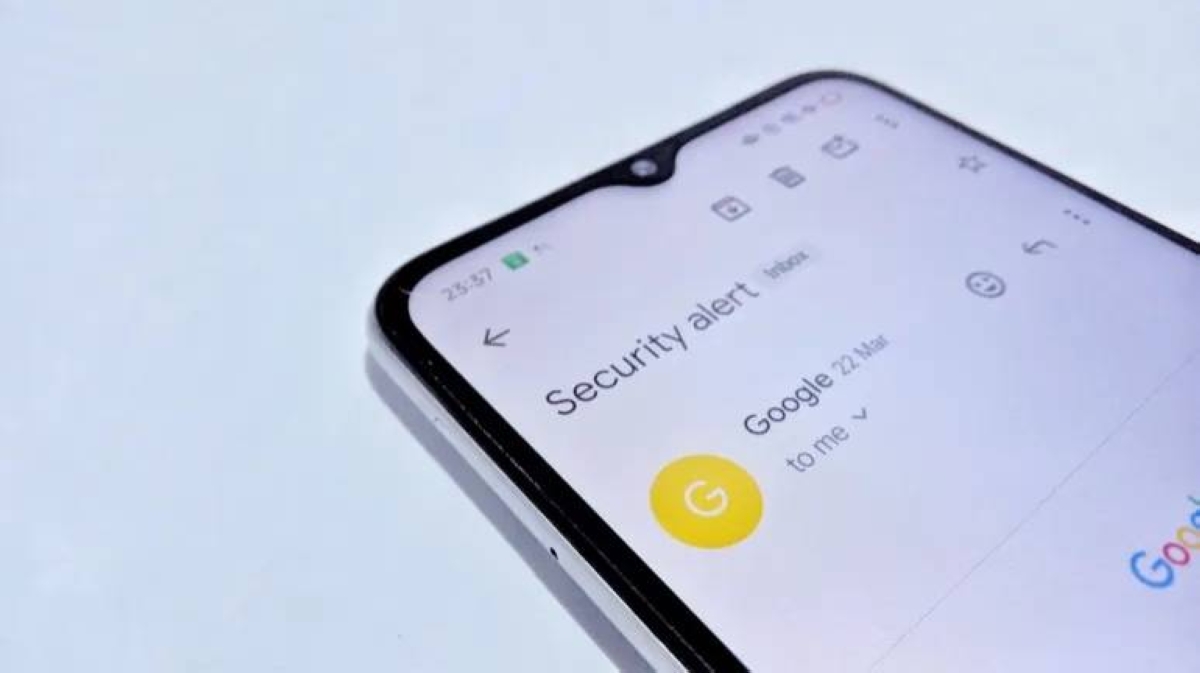
حذّرت شركة غوغل (Google) مستخدمي بريدها الإلكتروني «Gmail» من موجة هجمات سيبرانية استهدفت سرقة حسابات المستخدمين في الأيام الماضية، وفق تقرير نشرته مجلة فوربس.
تعتمد الهجمات على إرسال روابط خبيثة في رسائل البريد الإلكتروني، تدّعي أنها رسائل رسمية من غوغل لإعادة تعيين كلمة المرور. وعند الضغط على هذه الروابط، يتم تحويل المستخدمين إلى مواقع وهمية يسيطر عليها القراصنة بهدف جمع بيانات تسجيل الدخول وسرقتها.
وأشارت غوغل إلى أن هذه الهجمات تأتي بعد ارتفاع محاولات تسجيل الدخول بكلمات مرور خاطئة، ما يجعل المستخدمين أكثر عرضة للرسائل الوهمية التي تُرسل باسم الشركة. وأضافت أن الأسلوب مشابه لهجمات سابقة استهدفت شركات كبرى مثل أمازون، إذ كانت الروابط الخبيثة تصل أحياناً عبر الرسائل النصية لتبدو مرتبطة بعمليات متابعة الطلبات أو الإرجاع.
كما رصدت غوغل هجمات تستخدم البريد الصوتي الوهمي، تطلب من المستخدم تسجيل الدخول للاستماع للرسائل الصوتية، لكن الهدف منها هو الهدف نفسه: سرقة بيانات الحسابات.
لتقليل خطر الاختراق، نصحت غوغل المستخدمين بعدم الضغط على أي رابط في أي رسالة لا تحمل عنوان البريد الرسمي للشركة، ومراجعة كلمات المرور باستخدام أدوات المنصة، والتحقق من أماكن تسجيل الدخول وحذف أي موقع يبدو مشبوهاً.
وتشدد الشركة على أهمية تفعيل التوثيق الثنائي الخطوات أو استخدام رمز مرور مرتبط بالجهاز، المعروف باسم Passkey، لضمان حماية أفضل للحسابات.
وتعد هذه التحذيرات تذكيراً مستمراً بأن القراصنة لا يتوقفون عن تطوير أساليبهم، وأن وعي المستخدم والإجراءات الأمنية المناسبة هما خط الدفاع الأول ضد الهجمات الإلكترونية.
Google has warned its Gmail users about a wave of cyberattacks aimed at stealing user accounts in recent days, according to a report published by Forbes.
The attacks rely on sending malicious links in emails, claiming to be official messages from Google for password reset. When users click on these links, they are redirected to fake sites controlled by hackers with the goal of collecting and stealing login data.
Google noted that these attacks come after an increase in attempts to log in with incorrect passwords, making users more susceptible to phishing messages sent in the company's name. It added that the method is similar to previous attacks targeting major companies like Amazon, where malicious links sometimes arrived via text messages to appear related to order tracking or returns.
Google also detected attacks using fake voicemail, asking users to log in to listen to voicemail messages, but the goal is the same: to steal account data.
To reduce the risk of hacking, Google advised users not to click on any link in any message that does not come from the company's official email address, to review passwords using platform tools, and to check login locations and delete any site that seems suspicious.
The company emphasizes the importance of enabling two-step verification or using a device-linked passcode, known as Passkey, to ensure better protection for accounts.
These warnings serve as a continuous reminder that hackers do not stop developing their methods, and that user awareness and appropriate security measures are the first line of defense against cyberattacks.