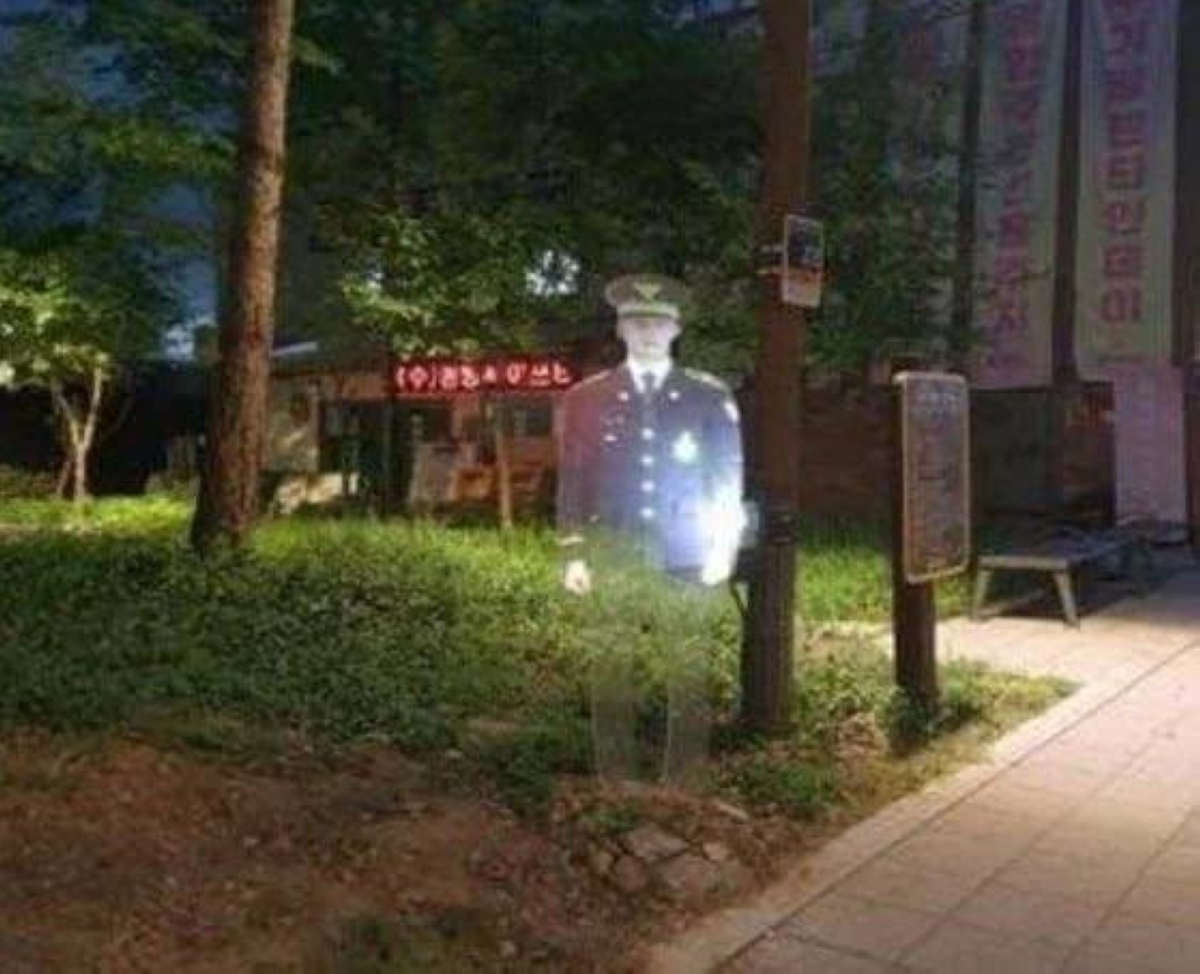
في خطوة رائدة لمكافحة الجريمة وتعزيز الشعور بالأمان بين المواطنين، أطلقت شرطة العاصمة الكورية الجنوبية «سيول» تجربة مبتكرة تتمثل في نشر مجسمات هولوغرافية ثلاثية الأبعاد لضبّاط شرطة بالحجم الطبيعي في إحدى الحدائق العامة المزدحمة بالمدينة.
وتهدف المبادرة التي أطلقتها شرطة العاصمة الكورية إلى ردع السلوكيات المخالفة ومنح السكان شعورًا بالطمأنينة في الأماكن العامة، مع الاستفادة من أحدث تقنيات الذكاء الاصطناعي والهولوغرام.
وبدأت التجربة في أكتوبر 2024، إذ تم تركيب مجسم هولوغرافي لضابط شرطة يرتدي الزي الرسمي، بطول يزيد عن 170 سنتيمترًا، في إحدى الحدائق العامة بسيول، ويظهر هذا الضابط الافتراضي يوميًا بين الساعة السابعة والعاشرة مساءً، مصحوبًا برسائل تذكّر المارة بوجود الشرطة وكاميرات المراقبة، مثل: «الشرطة ستتدخل فورًا في حالات الطوارئ» و«المنطقة مراقبة بالكاميرات».
ويعتمد المجسم، الذي صممته شركة «هولوغراميكا» المتخصصة في التقنيات الهولوغرافية، على تقنية ثلاثية الأبعاد لخلق تأثير بصري واقعي يشبه الضابط الحقيقي من بعيد، وأظهرت البيانات الأولية من وكالة شرطة سيول نجاحًا ملحوظًا لهذه التجربة، حيث انخفضت معدلات الجريمة في الحديقة بنسبة تقارب 22% مقارنة بالفترة التي سبقت تركيب الهولوغرام.
وأشار آن دونغ-هيون، رئيس مركز شرطة جونغبو، إلى أن «الشرطي الهولوغرافي أثبت فعاليته كأداة ذكية لتعزيز الأمان، إذ يعمل وسيلةَ ردعٍ نفسية تمنع التصرفات غير المنضبطة» وأضاف أن الشرطة تخطط لتوسيع استخدام هذه التقنية في أماكن عامة أخرى بالمدينة، مع التركيز على المناطق ذات الكثافة السكانية العالية.
تأتي هذه المبادرة في إطار سعي كوريا الجنوبية لتكون رائدة عالميًا في استخدام التكنولوجيا المتقدمة لتحسين جودة الحياة والأمن العام، وتعد سيول، العاصمة التي يقطنها أكثر من 9.7 مليون نسمة، مركزًا للابتكار التكنولوجي، حيث تستثمر الحكومة المحلية بكثافة في تقنيات الذكاء الاصطناعي وإنترنت الأشياء.
وفي السنوات الأخيرة، شهدت المدينة زيادة في استخدام الكاميرات الذكية وأنظمة المراقبة المتطورة، لكن تجربة الهولوغرام تمثل خطوة جديدة نحو دمج التكنولوجيا في الأمن الوقائي، وعلى الرغم من عدم قدرة المجسمات الهولوغرافية على التفاعل المباشر أو القبض على المخالفين، فإنها تعمل رادعًا بصريًّا ونفسيًّا فعّالًا.
In a pioneering step to combat crime and enhance the sense of security among citizens, the police of South Korea's capital, "Seoul," launched an innovative experiment involving the deployment of life-sized three-dimensional holographic models of police officers in one of the city's busy public parks.
The initiative launched by the capital's police aims to deter misconduct and provide residents with a sense of reassurance in public spaces, utilizing the latest artificial intelligence and hologram technologies.
The experiment began in October 2024, with the installation of a holographic model of a police officer in uniform, standing over 170 centimeters tall, in a public park in Seoul. This virtual officer appears daily between 7 PM and 10 PM, accompanied by messages reminding passersby of the presence of police and surveillance cameras, such as: "The police will respond immediately in emergencies" and "The area is under camera surveillance."
The model, designed by the company "Hologramica," which specializes in holographic technologies, relies on three-dimensional technology to create a realistic visual effect resembling a real officer from a distance. Initial data from the Seoul Police Agency showed a significant success for this experiment, as crime rates in the park dropped by nearly 22% compared to the period before the hologram was installed.
Ann Dong-hyun, head of the Jungbo Police Station, noted that "the holographic officer has proven effective as a smart tool to enhance safety, serving as a psychological deterrent that prevents unruly behavior." He added that the police plan to expand the use of this technology in other public areas of the city, focusing on densely populated regions.
This initiative comes as part of South Korea's efforts to become a global leader in using advanced technology to improve quality of life and public safety. Seoul, the capital with over 9.7 million residents, is a hub for technological innovation, with the local government heavily investing in artificial intelligence and the Internet of Things.
In recent years, the city has seen an increase in the use of smart cameras and advanced surveillance systems, but the hologram experiment represents a new step towards integrating technology into preventive security. Although holographic models cannot interact directly or apprehend offenders, they serve as an effective visual and psychological deterrent.