


تحت عنوان «سباقٍ جديد بين عمالقة الذكاء الاصطناعي»، يبرز إيلون ماسك وسام ألتمان في مضمار واجهات الدماغ-الكمبيوتر (BCI)، حيث يسعى كلٌّ عبر مساره لتطوير شرائح تُزرع في الدماغ لربط الإشارات العصبية مباشرة بالأنظمة الحاسوبية.
يُقدَّم المشروع كأفق علاجي لشلل الحركة واضطرابات النطق والذاكرة، وكبوابة لواجهات إدراكية مستقبلية، لكنه يثير بالتوازي أسئلة أخلاقية وقانونية حول الخصوصية العصبية وحدود التعزيز البشري والمعايير التنظيمية. يتقدّم المسار عبر تجارب بشرية أوّلية وتقنيات قراءة وكتابة عصبية أكثر دقة، فيما تتكئ الجدوى على خوارزميات تعلم عميق قادرة على فكّ ترميز النيّات الحركية واللغة من النشاط الدماغي.
وبين التفاؤل العلمي والتحفّظ الحقوقي، تُجمع التغطيات على أن السنوات القليلة القادمة ستكون حاسمة في الإجابة: هل تصبح BCI علاجاً معمّماً وأداة إنتاجية، أم تبقى تقنية نخبوية عالية التكلفة؟ المؤكد، أن السباق -بدفع رأسمال مغامر وخبرة منصّات الذكاء- ينقل النقاش من الخيال العلمي إلى مختبرات واعتمادات سريرية تزداد اقتراباً.
ماسك وألتمان.. سباق «شرائح الدماغ»
17 أغسطس 2025 - 19:08
|
آخر تحديث 17 أغسطس 2025 - 19:08
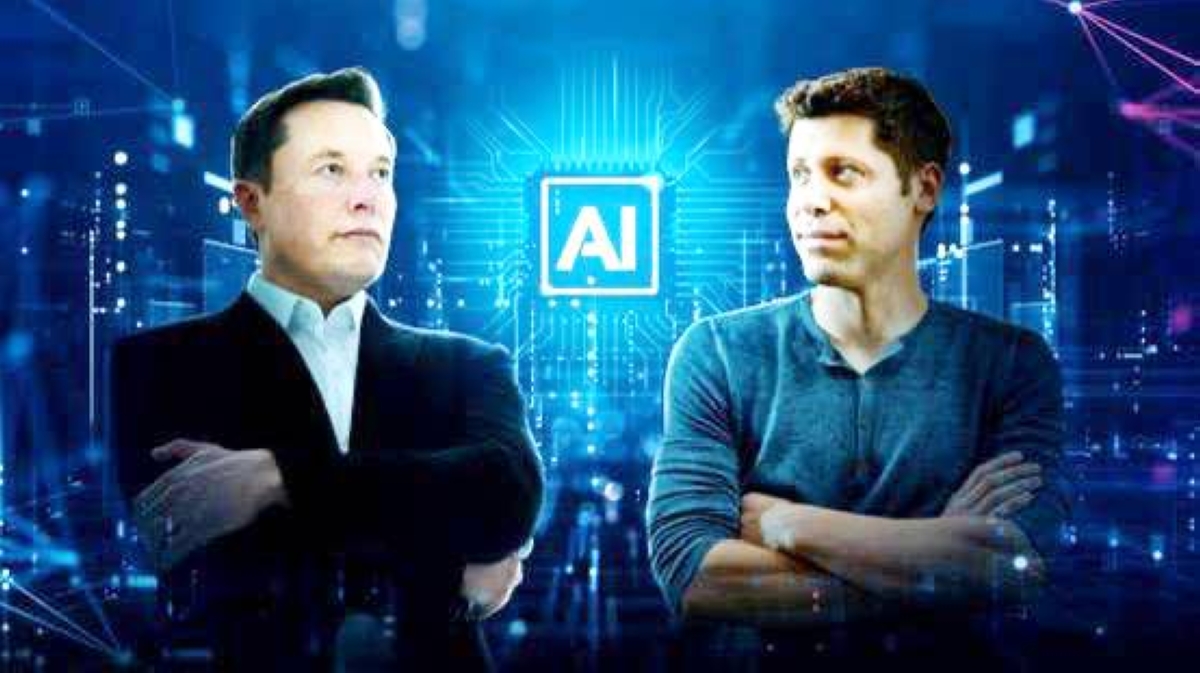
ماسك وألتمان.


تابع قناة عكاظ على الواتساب
«عكاظ» (لندن) OKAZ_online@
Under the title "A New Race Among AI Giants," Elon Musk and Sam Altman emerge in the field of brain-computer interfaces (BCI), each striving along their path to develop chips implanted in the brain to directly connect neural signals to computing systems.
The project is presented as a therapeutic horizon for paralysis, speech disorders, and memory issues, as well as a gateway to future cognitive interfaces. However, it simultaneously raises ethical and legal questions about neural privacy, the limits of human enhancement, and regulatory standards. The path advances through preliminary human trials and more precise neural reading and writing technologies, while its feasibility relies on deep learning algorithms capable of decoding motor intentions and language from brain activity.
Amid scientific optimism and legal caution, coverage agrees that the next few years will be crucial in answering the question: Will BCI become a generalized treatment and a productivity tool, or will it remain a high-cost elite technology? What is certain is that the race—driven by venture capital and the expertise of AI platforms—shifts the discussion from science fiction to laboratories and clinical approvals that are increasingly within reach.
The project is presented as a therapeutic horizon for paralysis, speech disorders, and memory issues, as well as a gateway to future cognitive interfaces. However, it simultaneously raises ethical and legal questions about neural privacy, the limits of human enhancement, and regulatory standards. The path advances through preliminary human trials and more precise neural reading and writing technologies, while its feasibility relies on deep learning algorithms capable of decoding motor intentions and language from brain activity.
Amid scientific optimism and legal caution, coverage agrees that the next few years will be crucial in answering the question: Will BCI become a generalized treatment and a productivity tool, or will it remain a high-cost elite technology? What is certain is that the race—driven by venture capital and the expertise of AI platforms—shifts the discussion from science fiction to laboratories and clinical approvals that are increasingly within reach.


