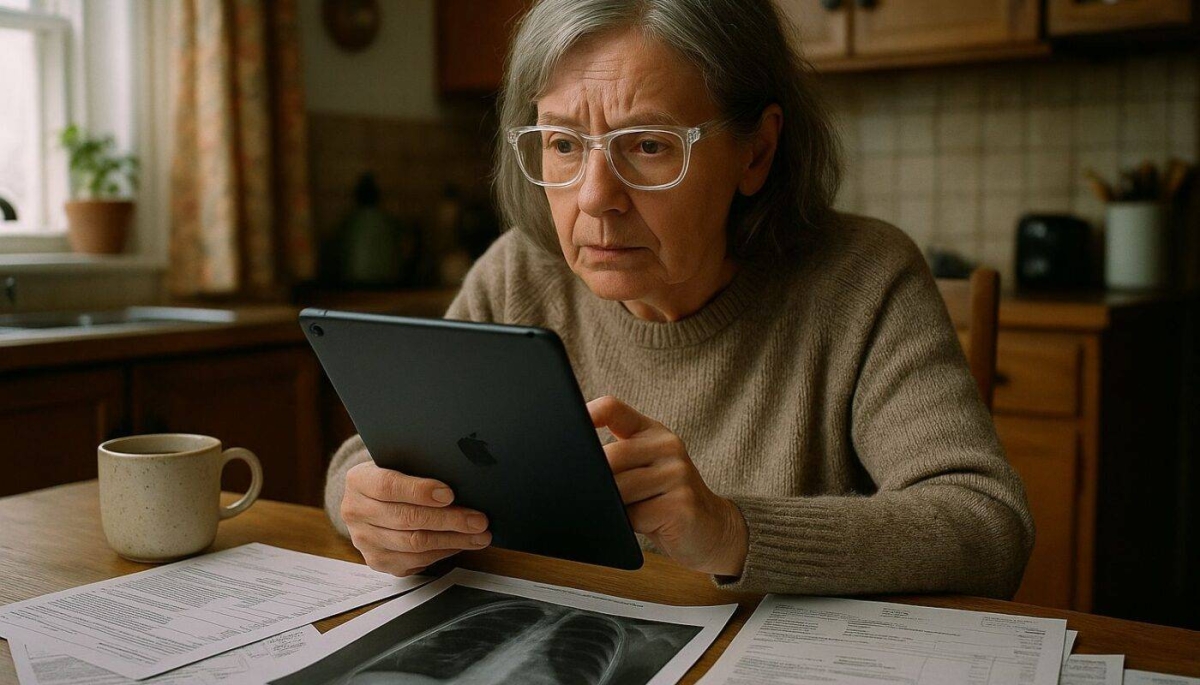
أظهر استطلاع حديث، أجرته جامعة ميشيغان، أن 55% من الأمريكيين فوق سن الـ50 يستخدمون تقنيات الذكاء الاصطناعي، مثل المساعدات الصوتية وروبوتات الدردشة النصية، في مجالات تمتد من الترفيه والبحث إلى الأمان المنزلي والتخطيط للسفر.
وبيّن الاستطلاع، الذي شمل نحو 3000 مشارك، أن 96% من مستخدمي أجهزة الأمان المنزلية المدعومة بالذكاء الاصطناعي شعروا بزيادة في الأمان، فيما أشار نصفهم تقريباً إلى رغبتهم في البقاء مستقلين في منازلهم بدلاً من الانتقال لدور رعاية. كما كشف تفاوتاً في الاستخدام بحسب الصحة، التعليم، والدخل.
ورغم الانتشار الواسع، ما زالت الثقة تمثل تحدياً، إذ أعرب 54% فقط عن ثقتهم في محتوى الذكاء الاصطناعي، بينما طالب 90% بضرورة الإفصاح الواضح عن المحتوى الناتج عنه. وتسلط النتائج الضوء على الحاجة إلى سياسات وتعليمات واضحة تعزز الشفافية وتحد من المخاطر، خصوصاً مع مناقشات أمريكية حالية لتوسيع لوائح الإفصاح إلى مجالات الإعلان ومنصات التواصل الاجتماعي.
A recent survey conducted by the University of Michigan showed that 55% of Americans over the age of 50 use artificial intelligence technologies, such as voice assistants and text-based chatbots, in areas ranging from entertainment and research to home security and travel planning.
The survey, which included nearly 3,000 participants, revealed that 96% of users of AI-powered home security devices felt an increase in safety, while nearly half of them expressed a desire to remain independent in their homes rather than moving to care facilities. It also uncovered variations in usage based on health, education, and income.
Despite the widespread adoption, trust remains a challenge, as only 54% expressed confidence in AI-generated content, while 90% called for clear disclosure regarding the content produced by it. The results highlight the need for clear policies and guidelines that promote transparency and mitigate risks, especially with current American discussions to expand disclosure regulations to advertising and social media platforms.