


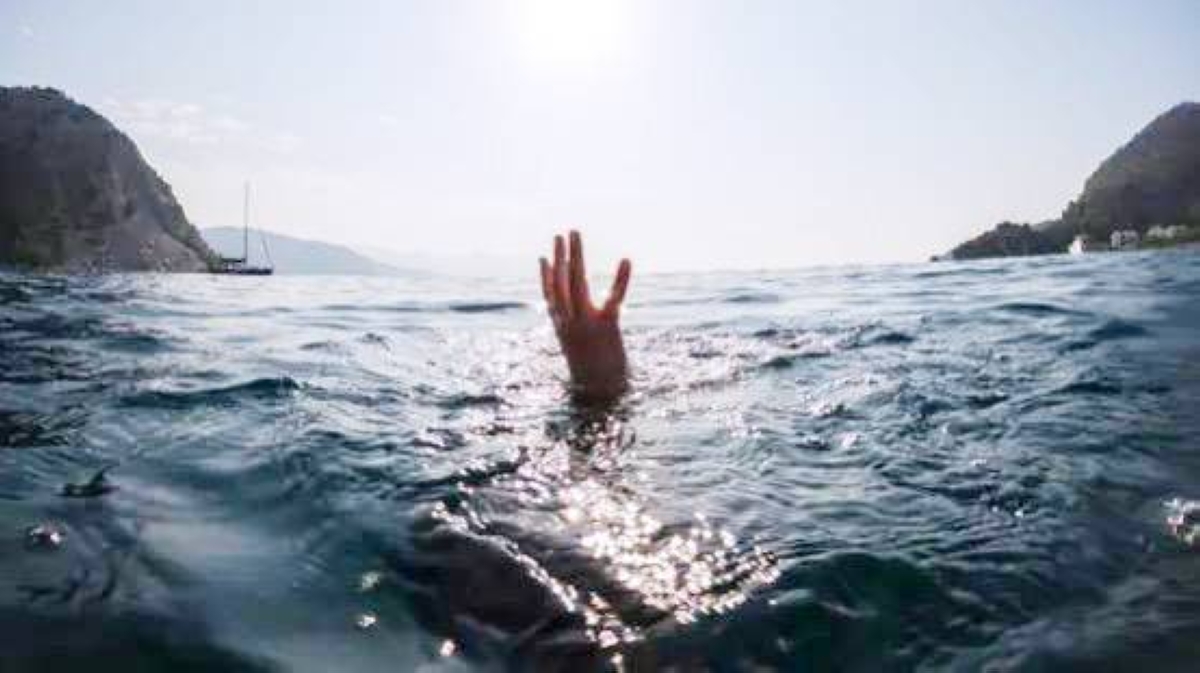
حذرت منظمة الصحة العالمية من أن الغرق يتسبب في وفاة شخص واحد كل دقيقتين على مستوى العالم، مما يجعله أحد أبرز أسباب الوفاة غير المتعمدة، خصوصًا بين الأطفال والشباب. وتشير البيانات إلى أن أكثر من 90% من حالات الغرق تحدث في الدول منخفضة ومتوسطة الدخل، حيث تفتقر البنية التحتية المائية إلى معايير السلامة، ويغيب الإشراف الكافي على السباحين.
وتؤكد المنظمة أن هذه الوفيات يمكن الوقاية منها عبر تدابير بسيطة مثل تعليم السباحة، وزيادة الوعي بخطورة المياه، وتوفير وسائل الإنقاذ في الأماكن العامة. ويشكل الغرق عبئًا صحيًا واقتصاديًا كبيرًا، إذ يترك أثرًا طويل الأمد على الأسر والمجتمعات، ويتسبب في فقدان آلاف الأرواح سنويًا دون أن يحظى بالاهتمام الكافي. ودعت المنظمة الحكومات إلى إدماج برامج الوقاية من الغرق في سياساتها الصحية والتعليمية، وتشجيع الأبحاث لإيجاد حلول مبتكرة للحد من هذه المأساة الصامتة. الرسالة الأهم هي أن الغرق ليس حتميًا، وأن الاستثمار في الوقاية قادر على إنقاذ ملايين الأرواح.
فيديو: غريق كل دقيقتين.. خطر صامت يهدد العالم
14 أغسطس 2025 - 18:35
|
آخر تحديث 19 أغسطس 2025 - 15:05


تابع قناة عكاظ على الواتساب
«عكاظ» (نيويورك) OKAZ_online@
The World Health Organization has warned that drowning causes one death every two minutes worldwide, making it one of the leading causes of unintentional death, especially among children and young people. Data indicates that more than 90% of drowning cases occur in low- and middle-income countries, where water infrastructure lacks safety standards, and there is insufficient supervision of swimmers.
The organization emphasizes that these deaths can be prevented through simple measures such as teaching swimming, increasing awareness of water dangers, and providing rescue equipment in public places. Drowning poses a significant health and economic burden, leaving a long-lasting impact on families and communities, and resulting in the loss of thousands of lives each year without receiving adequate attention. The organization has called on governments to integrate drowning prevention programs into their health and education policies and to encourage research to find innovative solutions to reduce this silent tragedy. The most important message is that drowning is not inevitable, and that investing in prevention can save millions of lives.
The organization emphasizes that these deaths can be prevented through simple measures such as teaching swimming, increasing awareness of water dangers, and providing rescue equipment in public places. Drowning poses a significant health and economic burden, leaving a long-lasting impact on families and communities, and resulting in the loss of thousands of lives each year without receiving adequate attention. The organization has called on governments to integrate drowning prevention programs into their health and education policies and to encourage research to find innovative solutions to reduce this silent tragedy. The most important message is that drowning is not inevitable, and that investing in prevention can save millions of lives.


