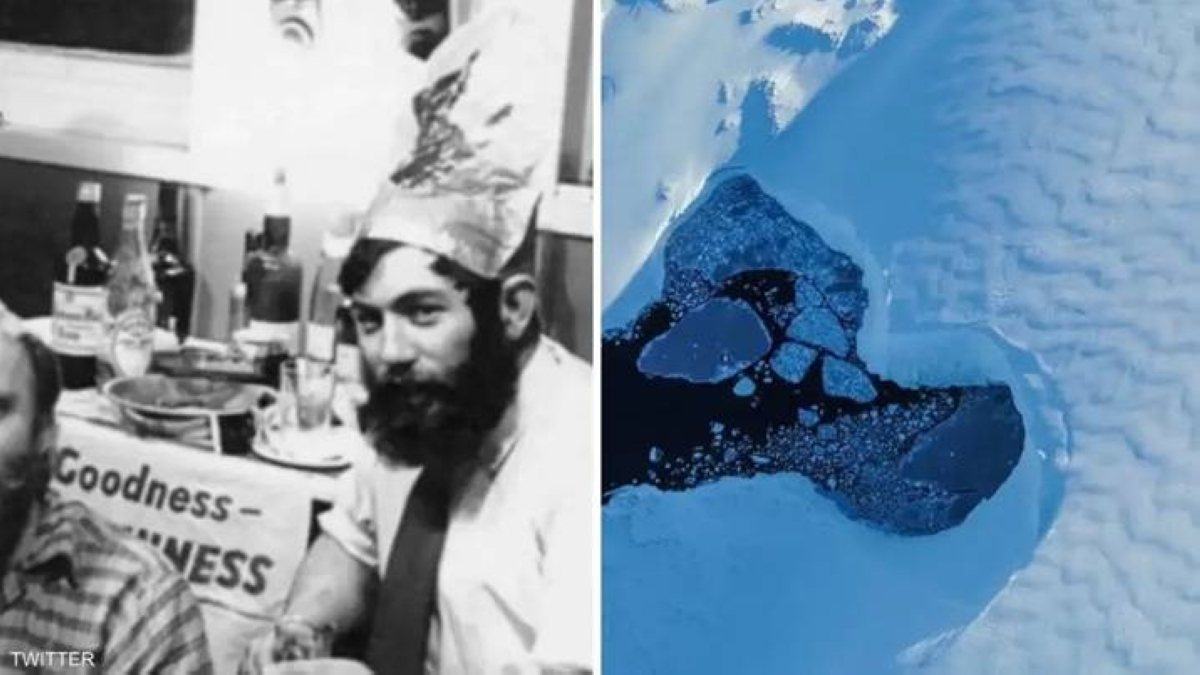
بعد أكثر من ستة عقود على اختفائه، عُثر هذا العام على رفات الباحث البريطاني دينيس بيل، الذي فقد خلال مهمة علمية في القارة القطبية الجنوبية عام 1959، وأعيدت بقاياه إلى عائلته بعد أن كشفها ذوبان الجليد، بحسب ما أعلنت هيئة «بريتيش أنتاركتيك سورفيه»، الإثنين.
وكان عالم الأرصاد الجوية دينيس بيل قد سقط في شق جليدي بجزيرة الملك جورج، وهي كبرى جزر أرخبيل شيتلاند الجنوبية، في 26 يوليو 1959، حين كان يبلغ من العمر 25 عاماً. وأوضحت الهيئة أن فريقاً من العلماء البولنديين عثر على رفاته هذا العام، بعدما طفت على السطح بين الصخور نتيجة تراجع الغطاء الجليدي في القارة القطبية الجنوبية.
وانضم بيل في عام 1958 إلى هيئة «فيدس» FIDS – التي سبقت تأسيس «بريتيش أنتاركتيك سورفيه» – كعالم أرصاد جوية، بعد إتمام خدمته العسكرية في سلاح الجو الملكي البريطاني، وتم إلحاقه بقاعدة «أدميراليتي باي» البريطانية في جزيرة الملك جورج، وكان من المقرر أن يمضي عامين. في ذلك الوقت، كان 12 رجلاً يديرون القاعدة المحاطة بالجبال والمياه المغطاة بالجليد طوال تسعة أشهر من السنة.
وفي 26 يوليو 1959، وأثناء شتاء النصف الجنوبي من الكرة الأرضية، خرج دينيس مع ثلاثة رجال آخرين برفقة كلاب الزلاجات لإجراء مسوحات على نهر جليدي. وخلال المهمة، خلع زلاجاته لمساعدة الكلاب على التقدم، فسقط في صدع جليدي. وتمكّن رفاقه من العثور عليه وربطه بحبل لرفعه، لكن الحبل انقطع تحت وطأة الثقل، ما أدى إلى سقوطه مجدداً ووفاته، وفق رواية زملائه.
وفي يناير الماضي، عثر علماء من قاعدة بولندية في جزيرة الملك جورج على رفاته وأغراض أخرى تعود له. وتم تأكيد هويته بعد مقارنة عينات من حمضه النووي مع عينات مأخوذة من شقيقه وشقيقته.
وقال ديفيد بيل، شقيق الراحل، في بيان صادر عن الهيئة: «أنا وأختي فاليري صُدِمنا عندما أُبلغنا بالعثور على شقيقنا دينيس بعد 66 عاماً». من جانبها، أشارت مديرة الهيئة البروفيسورة جاين فرانسيس إلى أن «دينيس كان من بين الذين أسهموا في المراحل الأولى من استكشاف القارة القطبية الجنوبية وأبحاثها، في ظل ظروف شديدة القساوة».
After more than six decades since his disappearance, the remains of British researcher Dennis Bell were found this year, who went missing during a scientific mission in Antarctica in 1959, and his remains were returned to his family after being revealed by melting ice, according to the British Antarctic Survey announced on Monday.
Meteorologist Dennis Bell fell into a crevasse on King George Island, the largest of the South Shetland Islands, on July 26, 1959, when he was 25 years old. The agency explained that a team of Polish scientists found his remains this year after they surfaced among the rocks due to the retreat of the ice cover in Antarctica.
Bell joined the Falkland Islands Dependencies Survey (FIDS) – which preceded the establishment of the British Antarctic Survey – as a meteorologist in 1958, after completing his military service in the Royal Air Force, and was assigned to the British Admiralty Bay base on King George Island, where he was scheduled to spend two years. At that time, 12 men were managing the base, which was surrounded by mountains and covered in ice for nine months of the year.
On July 26, 1959, during the winter of the Southern Hemisphere, Dennis went out with three other men accompanied by sled dogs to conduct surveys on a glacier. During the mission, he removed his skis to help the dogs advance, and fell into a crevasse. His companions managed to find him and tied a rope to lift him, but the rope snapped under the weight, causing him to fall again and die, according to his colleagues' account.
In January, scientists from a Polish base on King George Island found his remains and other belongings belonging to him. His identity was confirmed after comparing DNA samples with samples taken from his brother and sister.
David Bell, the deceased's brother, said in a statement from the agency: "My sister Valerie and I were shocked when we were informed of the discovery of our brother Dennis after 66 years." For her part, the agency's director, Professor Jane Francis, noted that "Dennis was among those who contributed to the early stages of exploring and researching Antarctica under extremely harsh conditions."