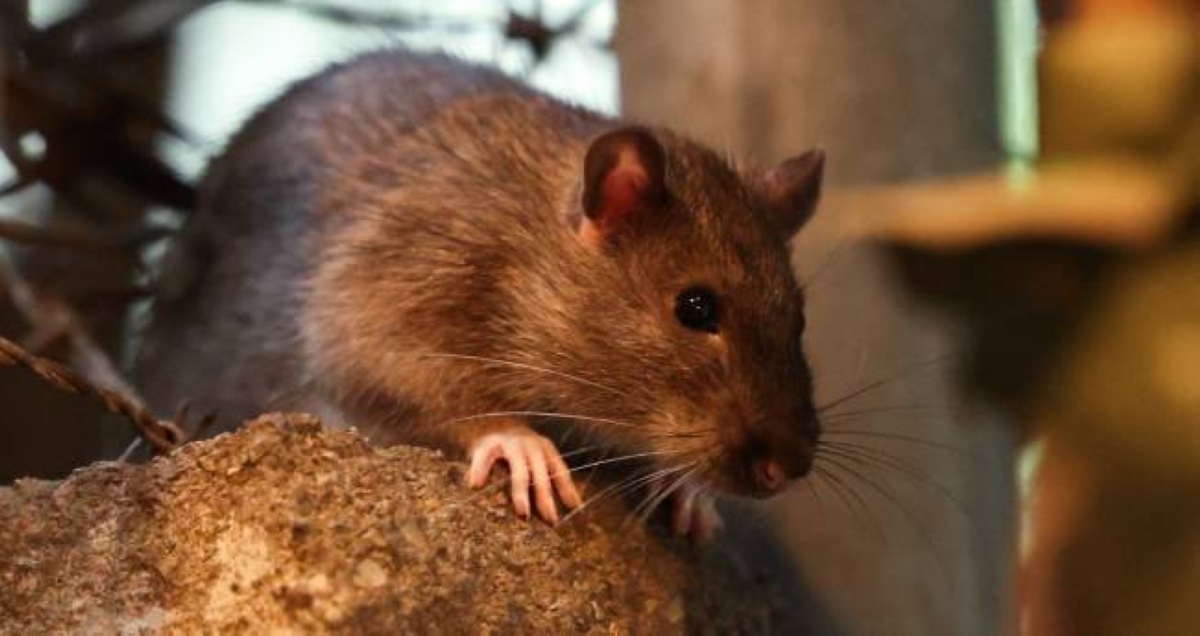
تخوض مدينة نيويورك حربًا شاملة ضد الجرذان التي غزت شوارعها وحدائقها وأزقتها، عبر إستراتيجية متكاملة تهدف إلى الحد من انتشارها، وأبرزها حرمانها من مصادر الغذاء التي تعتمد عليها بشكل أساسي.
وتُعد إزالة القمامة من الأرصفة، وإغلاق مداخل المباني، وزيادة وعي السكان، من أبرز الأساليب المعتمدة، إذ تشير كارولين براغدون، مديرة قسم مكافحة الآفات في البلدية، إلى أن «خفض إمكانية وصول الجرذان إلى الطعام يؤدي إلى إجهادها وانخفاض تكاثرها».
وفي حي «هارلم» شمالي مانهاتن، تُطبّق خطة تجريبية تشمل استخدام تطبيقات لرسم خرائط أماكن نشاط القوارض، وتجارب على وسائل كيميائية تحدّ من قدرتها على التكاثر.
وتقول إحدى السكان، جيسيكا سانشيز، إن التغيير بات ملموسًا: «لم أعد أرى الجرذان كما في السابق عند إخراج القمامة».
وتعتمد الجرذان في غذائها على مكونات النظام الغذائي البشري نفسه تقريبًا، ما يجعل القمامة المتروكة مصدرًا غنيًا لبقائها وتكاثرها، إذ يمكن للجرذة الواحدة إنجاب نحو 60 جرذًا سنويًا.
ومنذ عام 2022، أطلقت المدينة «ثورة على النفايات»، شملت منع ترك أكياس القمامة في الشوارع، واستبدالها بحاويات بلاستيكية تستوعب 70% من النفايات المنزلية. ورافق ذلك نشر 70 مفتشًا مزودين بتطبيقات لرصد أماكن الجرذان بدقة.
وتعمل البلدية أيضًا على دراسة سلوك تغذية القوارض، عبر مراقبة تفضيلات الطعام لديها، لتحسين فاعلية وسائل المكافحة.
وأثمرت هذه الإجراءات انخفاضًا ملحوظًا في بلاغات السكان، بنسبة 25% في عام 2024 مقارنة بالعام السابق، بحسب بيانات رسمية، في حين يُعد الحي الصيني المثال الأنجح في السيطرة على هذه المشكلة.
وخصصت نيويورك ميزانية بلغت 4.7 مليون دولار لعام 2025 لمكافحة القوارض، في إشارة إلى التزامها المستمر بمحاربة هذه الظاهرة المزعجة.
New York City is waging an all-out war against the rats that have invaded its streets, parks, and alleys, through a comprehensive strategy aimed at reducing their spread, the most notable of which is depriving them of the food sources they rely on primarily.
Removing trash from sidewalks, sealing building entrances, and increasing resident awareness are among the key methods being employed. Caroline Bragdon, the director of the city's pest control department, notes that "reducing rats' access to food leads to their stress and decreased reproduction."
In the Harlem neighborhood of northern Manhattan, a pilot plan is being implemented that includes using applications to map rodent activity locations and experiments with chemical means to limit their reproductive capabilities.
One resident, Jessica Sanchez, says the change is noticeable: "I no longer see rats as I did before when taking out the trash."
Rats rely on components of the human diet almost entirely, making discarded trash a rich source for their survival and reproduction, as a single rat can give birth to about 60 rats annually.
Since 2022, the city has launched a "Waste Revolution," which included banning the leaving of trash bags on the streets and replacing them with plastic containers that hold 70% of household waste. This was accompanied by the deployment of 70 inspectors equipped with applications to accurately track rat locations.
The municipality is also studying rodent feeding behavior by monitoring their food preferences to improve the effectiveness of control measures.
These actions have resulted in a notable decrease in resident reports, with a 25% reduction in 2024 compared to the previous year, according to official data, while Chinatown is considered the most successful example in controlling this issue.
New York has allocated a budget of $4.7 million for 2025 to combat rodents, indicating its ongoing commitment to fighting this bothersome phenomenon.