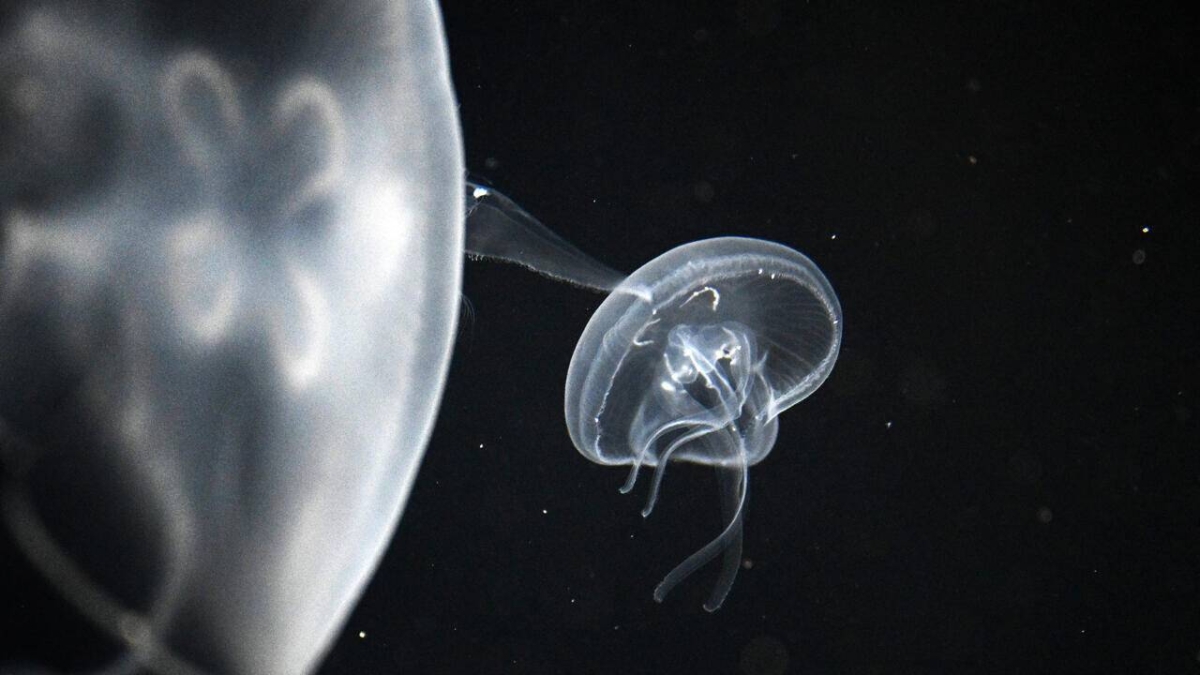
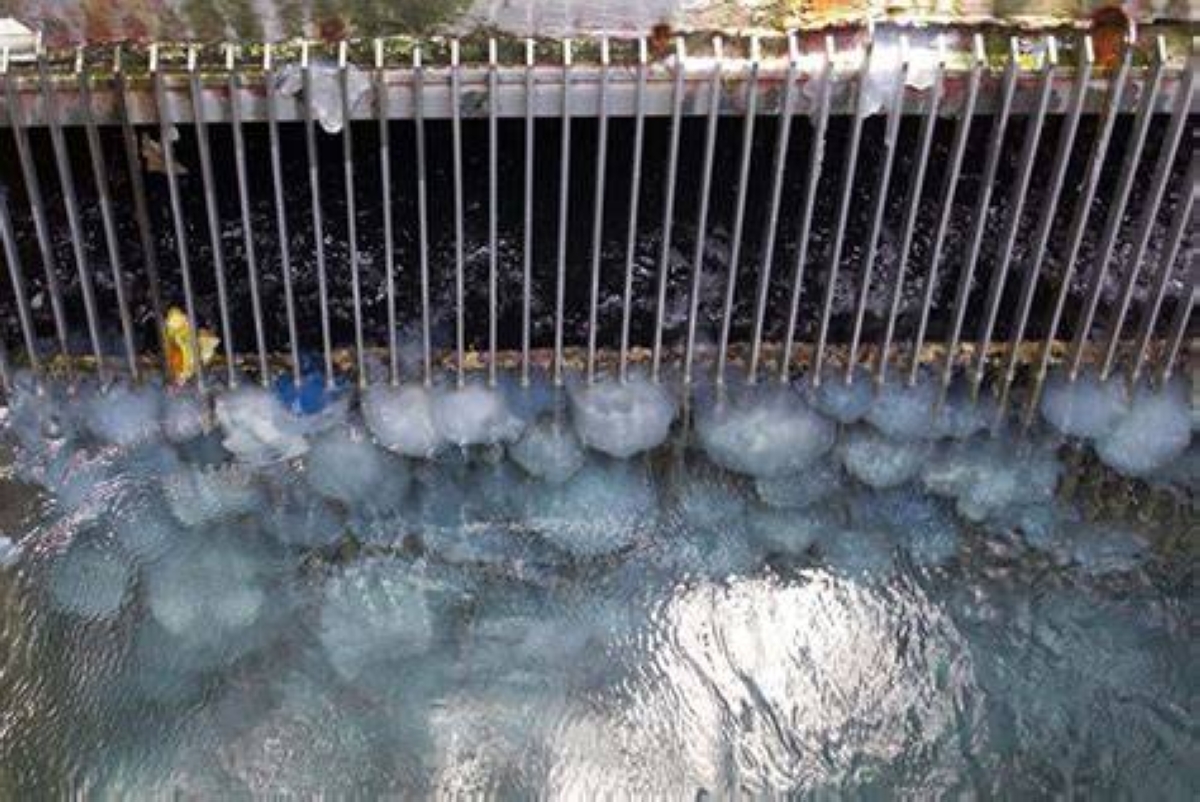
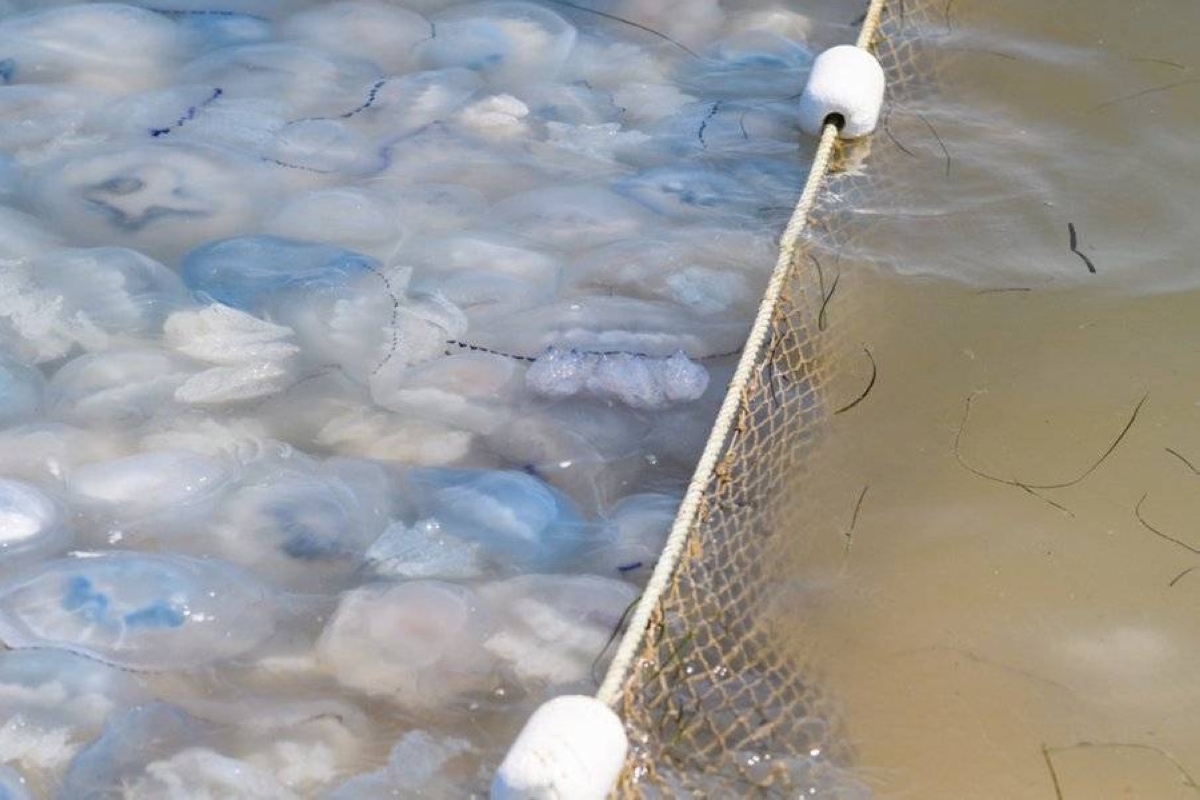
أعلنت السلطات الفرنسية، بالتعاون مع شركة الكهرباء بالبلاد، إغلاق أربعة من المفاعلات الستة في محطة غرافلين للطاقة النووية في شمال فرنسا، في وقت متأخر من يوم الأحد، بعد اكتشاف تجمعات كبيرة من قناديل البحر في براميل الترشيح المستخدمة لسحب مياه التبريد من بحر الشمال.
ووفقا لشركة الكهرباء الفرنسية، تسببت أسراب قناديل البحر في انسداد براميل الترشيح التي تسحب مياه البحر لتبريد المفاعلات النووية، ما أدى إلى انخفاض كفاءة نظام التبريد، وتم إيقاف تشغيل المفاعلات الأربعة كإجراء احترازي لمنع أي مخاطر تتعلق بالسلامة النووية.
وأكدت الشركة أن العمل جارٍ لتنظيف الأنظمة وإعادة تشغيل المفاعلات بمجرد ضمان سلامتها، دون الإفصاح عن جدول زمني محدد، ولم يتم الإبلاغ عن أي تسرب إشعاعي أو أضرار كبيرة، ويُراقب الوضع عن كثب من قبل هيئة السلامة النووية الفرنسية.
ووصف مسؤولو شركة الكهرباء الفرنسية الحادث بأنه «غير عادي ولكنه تحت السيطرة»، مشيرين إلى أن مثل هذه الظواهر البيولوجية قد تحدث في المناطق الساحلية، وقال أحد السكان المحليين في بلدة غرافلين لوسائل الإعلام: «لم نرَ مثل هذا العدد من قناديل البحر من قبل، إنه أمر مقلق، خصوصا عندما يتعلق الأمر بمحطة نووية».
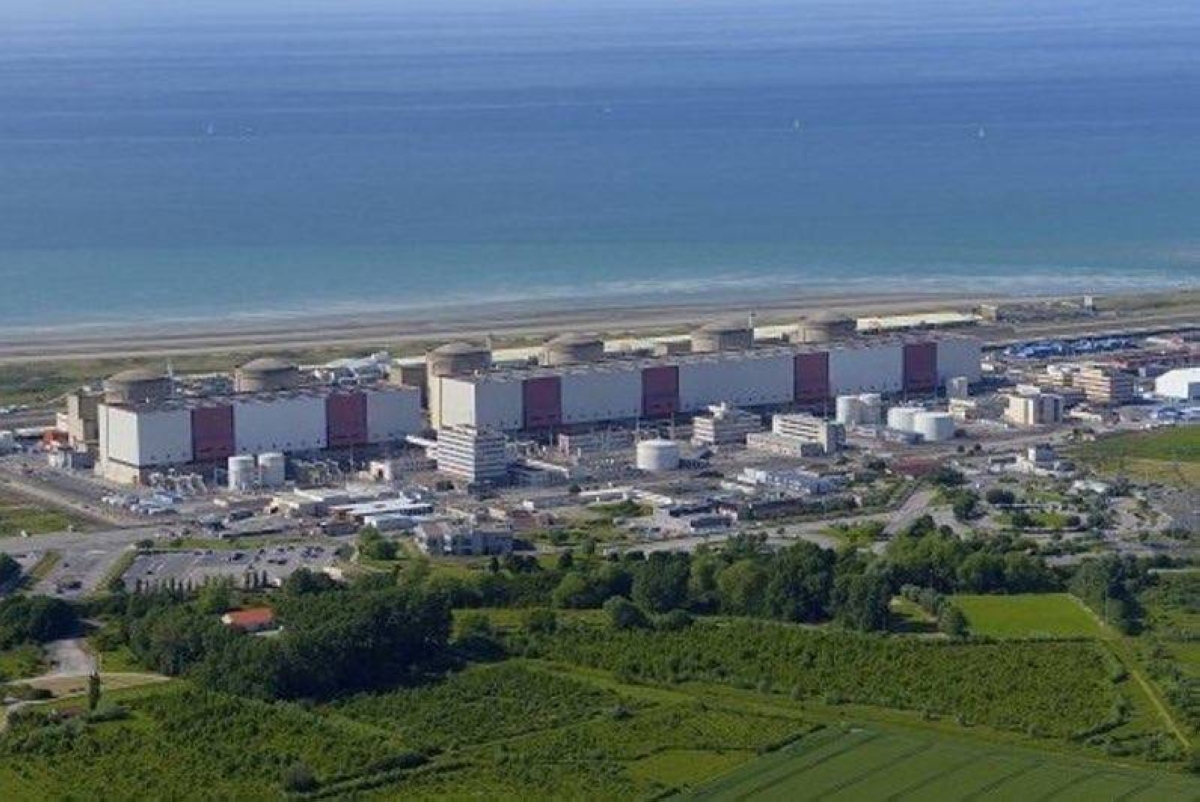
وتقع محطة غرافلين للطاقة النووية في بلدة غرافلين بإقليم نورد، على بعد حوالى 20 كيلومترا من دونكيرك وكاليه، وتُعد الأكبر في أوروبا الغربية بستة مفاعلات بقدرة 900 ميغاواط لكل منها، مما ينتج حوالى 5.9% من الكهرباء الفرنسية (31.67 تيراواط ساعة في 2017).
تأسست المحطة بين عامي 1980 و1985، وتُعتبر ركيزة أساسية في إمدادات الطاقة الفرنسية، إذ تمثل الطاقة النووية حوالى 70% من إجمالي الكهرباء في فرنسا، وتستخدم المحطة مياه بحر الشمال لتبريد مفاعلاتها، ما يجعلها عرضة للتحديات البيئية مثل تجمعات قناديل البحر أو التلوث البحري.
وتشهد المناطق الساحلية في أوروبا زيادة في أعداد قناديل البحر في السنوات الأخيرة، وهي ظاهرة يربطها العلماء بالتغيرات المناخية، مثل ارتفاع درجات حرارة المياه وتغير أنماط التيارات البحرية، هذه الظاهرة ليست جديدة على محطات الطاقة النووية، فقد واجهت محطات في المملكة المتحدة واليابان وأسكتلندا مشكلات مماثلة في الماضي.
وأكدت هيئة السلامة النووية الفرنسية أنها تراقب الوضع عن كثب، مشددة على أن إيقاف المفاعلات كان إجراء احترازيا يتماشى مع بروتوكولات السلامة، ودعت السلطات إلى إجراء تقييم شامل للأنظمة البيئية المحيطة بالمحطة لمنع تكرار الحادث، في الوقت نفسه، تعمل فرق شركة الكهرباء على تنظيف براميل الترشيح وفحص الأنظمة لضمان عودة آمنة للتشغيل.
The French authorities, in collaboration with the country's electricity company, announced the shutdown of four of the six reactors at the Gravelines nuclear power plant in northern France late on Sunday, after large gatherings of jellyfish were discovered in the filter barrels used to draw cooling water from the North Sea.
According to the French electricity company, swarms of jellyfish caused blockages in the filter barrels that draw seawater to cool the nuclear reactors, leading to a decrease in the efficiency of the cooling system. The four reactors were shut down as a precautionary measure to prevent any nuclear safety risks.
The company confirmed that work is underway to clean the systems and restart the reactors as soon as their safety is ensured, without disclosing a specific timeline. No reports of radioactive leaks or significant damage have been made, and the situation is being closely monitored by the French nuclear safety authority.
Officials from the French electricity company described the incident as "unusual but under control," noting that such biological phenomena can occur in coastal areas. A local resident in the town of Gravelines told the media, "We have never seen this many jellyfish before; it is concerning, especially when it comes to a nuclear plant."
The Gravelines nuclear power plant is located in the town of Gravelines in the Nord department, about 20 kilometers from Dunkirk and Calais. It is the largest in Western Europe, with six reactors each having a capacity of 900 megawatts, producing about 5.9% of French electricity (31.67 terawatt-hours in 2017).
The plant was established between 1980 and 1985 and is considered a cornerstone of French energy supplies, with nuclear power accounting for about 70% of total electricity in France. The plant uses North Sea water to cool its reactors, making it susceptible to environmental challenges such as jellyfish blooms or marine pollution.
Coastal areas in Europe have seen an increase in jellyfish populations in recent years, a phenomenon that scientists link to climate changes, such as rising water temperatures and shifting marine current patterns. This issue is not new to nuclear power plants, as facilities in the UK, Japan, and Scotland have faced similar problems in the past.
The French nuclear safety authority confirmed that it is closely monitoring the situation, emphasizing that the shutdown of the reactors was a precautionary measure in line with safety protocols. Authorities have called for a comprehensive assessment of the surrounding ecosystems to prevent a recurrence of the incident. Meanwhile, the electricity company's teams are working to clean the filter barrels and inspect the systems to ensure a safe return to operation.