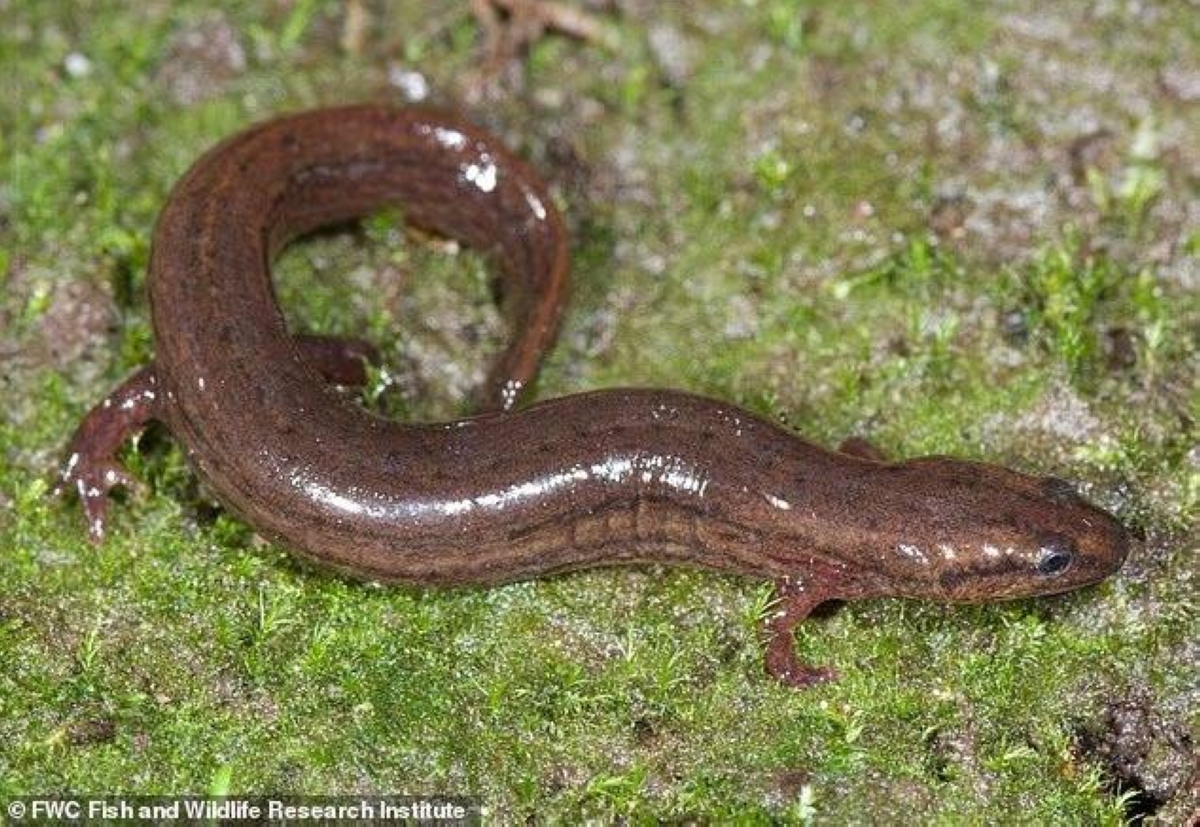
في اكتشاف علمي بارز، تم العثور على السلمندر متعدد الخطوط (Many-lined Salamander)، وهو برمائي نادر كان يُعتقد أنه انقرض من فلوريدا، حيًا بعد غياب دام أكثر من 3 عقود منذ آخر مشاهدة موثقة له عام 1991.
وثّق باحثون هذا الاكتشاف في دراسة جديدة نُشرت في مجلة Florida Field Naturalist الصادرة عن جمعية فلوريدا لعلم الطيور، حيث عثر على 23 سلمندرًا في غابات شمال فلوريدا، في إنجاز يُعد الأول من نوعه خلال 33 عامًا.
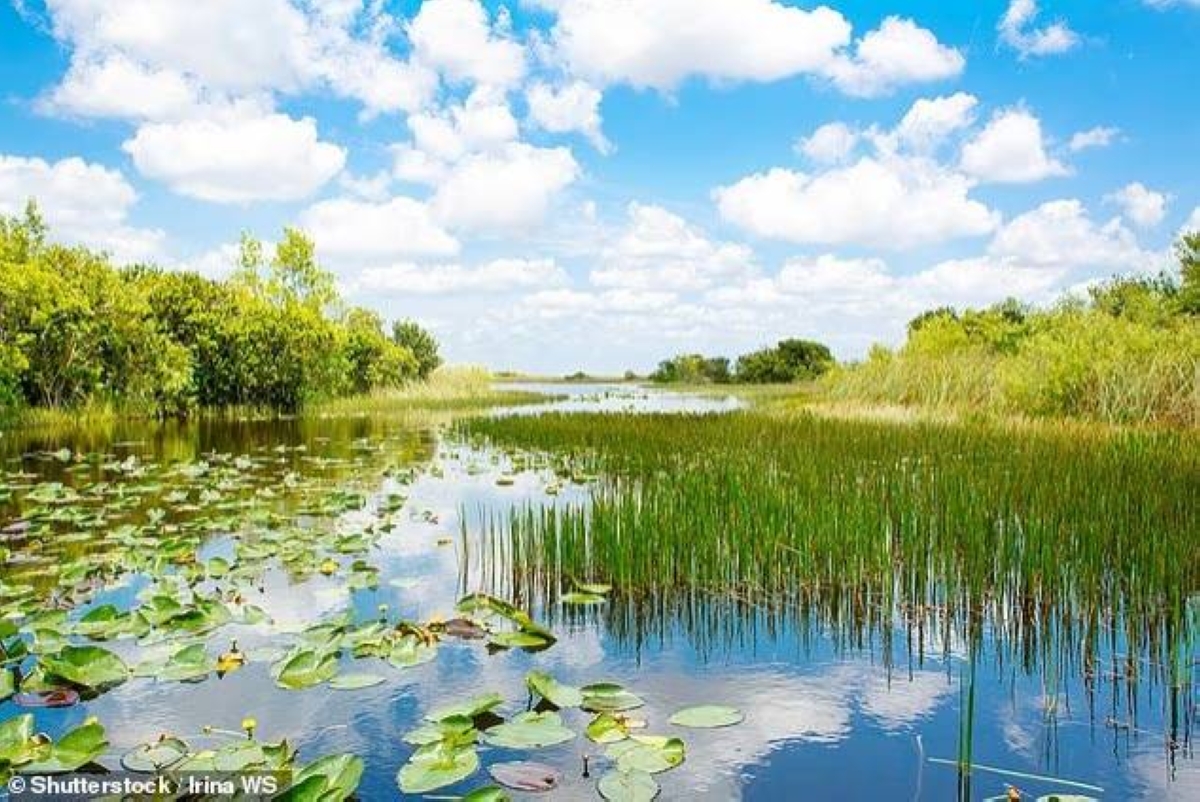
تم العثور على السلمندرات في تيارات المياه السوداء الغامضة بمناطق الأراضي الرطبة في شمال فلوريدا، حيث أجرى الباحثون مسحًا متعدد السنوات (2022-2024) بالتعاون بين معهد الأبحاث التابع لهيئة فلوريدا للحفاظ على الأسماك والحياة البرية، وهيئة كارولينا الشمالية لموارد الحياة البرية، وشركة خاصة للأخشاب.
ركزت الجهود على البحث في أكثر من 12 موقعًا في تيارات المياه السوداء بمقاطعات باكر، كولومبيا، ناسو، ويونيون، حيث كان السلمندر معروفًا سابقًا قبل اختفائه.
وأوضح الباحثون أن السلمندر متعدد الخطوط، المعروف بطباعه السرية ونمط حياته المائي، نادر حتى في مناطقه المعروفة، وتُعتبر فلوريدا الحد الجنوبي لمداه الجغرافي، ما يجعل مشاهدته استثنائية.
واستخدم الفريق تقنيات مسح متنوعة مثل الجرف، وصيد الشباك، والتجريف اليدوي، لكنه واجه تحديات بسبب ارتفاع منسوب المياه. للتغلب على ذلك، ابتكر الباحثون طريقة جديدة باستخدام أكياس شبكية مملوءة بأوراق متحللة، تُوضع في قاع التيارات لتقليد البيئة الموحلة التي يفضلها السلمندر.
ونجحت هذه الطريقة في العثور على 17 سلمندرًا في غابة أوسيولا الوطنية، و6 في غابة جون إم بيثيا الحكومية، منها 8 بالغة.
وعلى الرغم من هذا الإنجاز، يحذر الباحثون من أن استقرار المجموعة السكانية لا يزال غير واضح، حيث يُعتبر السلمندر نادرًا في فلوريدا ويواجه تهديدات من تدمير الموائل الرطبة وتغير المناخ.
وأشاروا إلى أن الأنواع التي تعيش على حدود مداها الجغرافي غالبًا لا تُمنح أولوية في جهود الحفاظ، لكن السلمندر متعدد الخطوط يُعد جزءًا فريدًا من تراث فلوريدا الطبيعي، وهو مدرج ضمن قائمة الأنواع الأكثر حاجة للحفاظ في الولاية.
وتُعد هذه الدراسة، التي نُشرت في Florida Field Naturalist، خطوة مهمة لفهم حالة السلمندر وتوزيعه، مع التأكيد على الحاجة إلى حماية موائله.
ويؤكد الباحثون أن استمرار جهود المسح والحفاظ ضروري لضمان بقاء هذا البرمائي النادر، الذي يُعد مؤشرًا على صحة النظام البيئي للأراضي الرطبة.
In a significant scientific discovery, the Many-lined Salamander, a rare amphibian believed to be extinct in Florida, has been found alive after more than 3 decades since its last documented sighting in 1991.
Researchers documented this discovery in a new study published in the Florida Field Naturalist journal, issued by the Florida Ornithological Society, where 23 salamanders were found in the forests of North Florida, marking an achievement that is the first of its kind in 33 years.
The salamanders were discovered in the mysterious blackwater streams of the wetland areas in North Florida, where researchers conducted a multi-year survey (2022-2024) in collaboration with the research institute of the Florida Fish and Wildlife Conservation Commission, the North Carolina Wildlife Resources Commission, and a private timber company.
Efforts focused on searching more than 12 sites in the blackwater streams of Baker, Columbia, Nassau, and Union counties, where the salamander was previously known before its disappearance.
The researchers explained that the Many-lined Salamander, known for its secretive nature and aquatic lifestyle, is rare even in its known areas, and Florida is considered the southern limit of its geographic range, making its sighting exceptional.
The team employed various survey techniques such as netting, trapping, and hand dredging, but faced challenges due to high water levels. To overcome this, the researchers devised a new method using mesh bags filled with decaying leaves, placed at the bottom of the streams to mimic the muddy environment preferred by the salamander.
This method successfully led to the discovery of 17 salamanders in Osceola National Forest and 6 in John M. Bethea State Forest, including 8 adults.
Despite this achievement, researchers warn that the stability of the population remains unclear, as the salamander is considered rare in Florida and faces threats from wetland habitat destruction and climate change.
They pointed out that species living at the edges of their geographic range often do not receive priority in conservation efforts, but the Many-lined Salamander is a unique part of Florida's natural heritage and is listed among the most at-risk species in the state.
This study, published in Florida Field Naturalist, is an important step in understanding the status and distribution of the salamander, emphasizing the need to protect its habitats.
Researchers assert that ongoing survey and conservation efforts are essential to ensure the survival of this rare amphibian, which serves as an indicator of the health of wetland ecosystems.