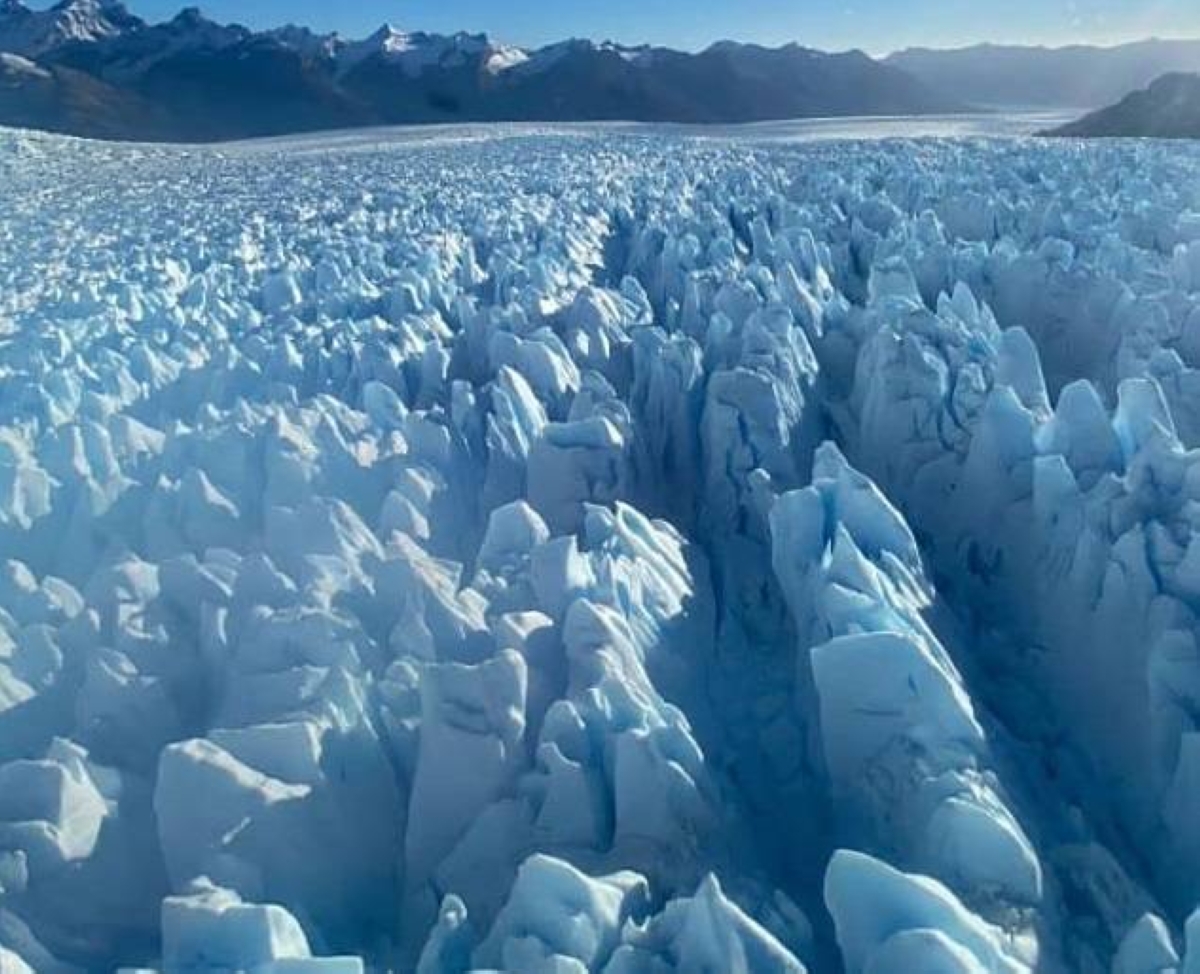
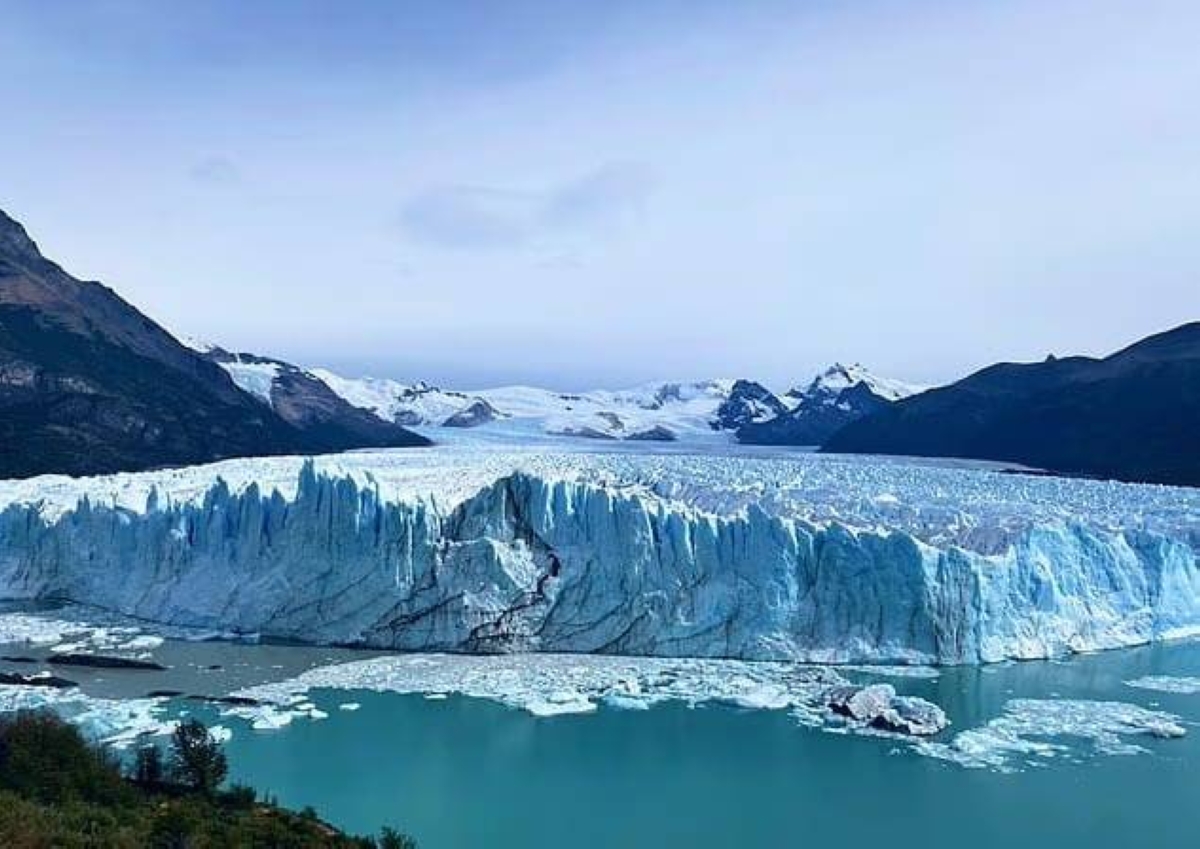
يُعتبر نهر بيريتو مورينو الجليدي، الذي يمتد على مسافة 29 كيلومتراً في الأرجنتين، واحداً من أكثر الأنهار الجليدية استقراراً في العالم، لكنه يواجه الآن خطر الانهيار الكامل بسبب التغيرات المناخية.
وكشفت دراسة ألمانية حديثة أن هذا النهر الجليدي، المُدرج ضمن قائمة التراث العالمي لليونسكو منذ عام 1981، يفقد من سُمكه وطوله بشكل سريع، مما ينذر باختفائه خلال عقود قليلة، وربما في حياتنا الحالية.
وفقاً لموريتز كوخ، طالب الدكتوراه بجامعة فريدريش ألكسندر في إرلانغن-نورمبرغ المشرف على الدراسة، فإن ارتفاع درجات الحرارة الناتج عن التغيرات المناخية قد تسبب في تدمير أحد أروع الظواهر الطبيعية على الأرض.
وأوضح كوخ في تصريحات لصحيفة «ديلي ميل»، أن التغيرات المناخية تُسرّع من تراجع النهر الجليدي بشكل ملحوظ.
الأنهار الجليدية، التي تُعد أنهاراً بطيئة الحركة من الجليد يعود عمر بعضها إلى مئات الآلاف من السنين، تُسهم في عكس أشعة الشمس إلى الفضاء وتخزين المياه العذبة.
وفي حال ذوبانها بالكامل، قد ترتفع مستويات البحار بشكل مفاجئ، مما يؤدي إلى فيضانات في المدن، وتشريد ملايين الأشخاص، وتدمير البنية التحتية.
وأظهرت الدراسة، التي استندت إلى تحليل بيانات الأقمار الصناعية ومسح جوي باستخدام رادار مخترق للأرض معلق بطائرة هليكوبتر، أن النهر الجليدي فقد نحو 34 سنتيمتراً من سُمكه سنوياً بين عامي 2000 و2019، لكن هذا الترقق تسارع بشكل مذهل بين عامي 2019 و2024، إذ وصل إلى 5.5-6.5 متر سنوياً، أي ما يعادل ارتفاع منزل كل عام.
كما تراجع النهر الجليدي بأكثر من 800 متر في بعض المناطق، خصوصاً عند الحافة الشمالية، بسبب اختلافات في عمق بحيرة لاغو أرجنتينو.
وكشفت النتائج وجود تل صخري كبير تحت نهاية النهر الجليدي، كان يدعم استقراره حتى عام 2019، لكن الباحثين يحذرون من أنه إذا استمر معدل الترقق الحالي، فقد ينفصل النهر الجليدي عن هذا التل، مما سيؤدي إلى تراجع أكبر وأسرع.
ومع ذوبان الجليد، تمنح مياه بحيرة لاغو أرجنتينو، أكبر بحيرة مياه عذبة في الأرجنتين، النهر الجليدي طفواً إضافياً، مما يتسبب في تكسر المزيد من الجليد من «لسانه»، وهو ما يُعجّل من تراجعه.
ويُعد بيريتو مورينو وجهة سياحية رئيسية في الأرجنتين بفضل حجمه وسهولة الوصول إليه، لكنه يشهد الآن أكبر تراجع له خلال القرن الماضي.
وتأتي الدراسة في أعقاب إنشاء قائمة الخسائر الجليدية العالمية، التي توثق الأنهار الجليدية المهددة بالزوال أو التي اختفت بالفعل.
The Perito Moreno Glacier, which extends over a distance of 29 kilometers in Argentina, is considered one of the most stable glaciers in the world, but it now faces the threat of complete collapse due to climate change.
A recent German study revealed that this glacier, which has been listed as a UNESCO World Heritage site since 1981, is rapidly losing its thickness and length, raising alarms about its potential disappearance within a few decades, possibly within our current lifetime.
According to Moritz Koch, a PhD student at Friedrich Alexander University in Erlangen-Nuremberg who supervised the study, the rising temperatures caused by climate change have led to the destruction of one of the most magnificent natural phenomena on Earth.
Koch explained in statements to the "Daily Mail" that climate change is significantly accelerating the retreat of the glacier.
Glaciers, which are slow-moving rivers of ice, some of which are hundreds of thousands of years old, contribute to reflecting sunlight back into space and storing fresh water.
If they were to completely melt, sea levels could rise suddenly, leading to flooding in cities, displacing millions of people, and destroying infrastructure.
The study, which relied on satellite data analysis and aerial surveys using ground-penetrating radar mounted on a helicopter, showed that the glacier lost about 34 centimeters of thickness annually between 2000 and 2019, but this thinning accelerated dramatically between 2019 and 2024, reaching 5.5-6.5 meters per year, equivalent to the height of a house each year.
The glacier has also retreated by more than 800 meters in some areas, particularly at the northern edge, due to variations in the depth of Lake Lago Argentino.
The results revealed a large rocky hill beneath the end of the glacier, which had supported its stability until 2019, but researchers warn that if the current thinning rate continues, the glacier may detach from this hill, leading to greater and faster retreat.
As the ice melts, the waters of Lake Lago Argentino, the largest freshwater lake in Argentina, provide additional buoyancy to the glacier, causing more ice to break off from its "tongue," which accelerates its retreat.
Perito Moreno is a major tourist destination in Argentina due to its size and accessibility, but it is now experiencing its greatest retreat in the past century.
The study comes in the wake of the establishment of a global glacier loss registry, which documents glaciers that are threatened with disappearance or have already vanished.