


في عز الصيف، ومع تصاعد درجات الحرارة، يبدو أن العطر لم يعد مجرد لمسة جمالية تسبق الخروج من المنزل، بل أصبح عنصراً كيميائياً يحمل جانباً خفياً من الخطر إذا التقى بالشمس.
فبحسب ما نشرته «العربية ستايل»، فإن العطر وأشعة الشمس المباشرة يشكّلان ثنائياً يصعب التعايش معهما دون عواقب صحية، خصوصا على البشرة. فعندما يتعرّض الجلد المعطّر لأشعة الشمس،
قد تتفاعل مكونات العطر – خصوصاً الكحول والزيوت الأساسية وبعض المركّبات النباتية – مع الأشعة فوق البنفسجية، منتجة مركبات قد تكون سامة أو مسببة للحساسية أو حتى التهيّج والالتهاب الشديد. هذا التفاعل لا يظهر مباشرة، بل يتسلّل تدريجياً عبر علامات مثل الاحمرار، الحكة، التصبّغات الداكنة، أو حتى ظهور بقع تشبه الحروق. المشكلة الأكبر تكمن في العطور التي تحتوي على مركبات حمضية مثل الليمون أو البرغموت، فهي الأكثر عرضة للتفاعل السلبي مع الشمس.
ولتجنّب هذه المخاطر، يوصي الخبراء بعدم رش العطر على الجلد المكشوف قبل الخروج، خصوصا في أوقات الذروة، ويفضّل وضعه على الملابس بدلاً من البشرة. كما يُنصح باستخدام واقٍ شمسي قوي قبل التعرّض، وانتظار فترة مناسبة بعد رش العطر لتقليل فرص التفاعل.
الفكرة ليست في التخلّي عن العطر، بل في التعامل الواعي معه. فالمطلوب أن يبقى العطر مصدر أناقة، لا سبباً لمشاكل جلدية قد تطول آثارها. في النهاية، قد تكون رشة واحدة في الوقت والمكان الخطأ كفيلة بأن تجعل من رائحة الجمال وجعاً يصعب علاجه. لذا، كن ذكياً: عطّر حضورك بعيداً عن شمس لا ترحم.
#بروفايل
رشة عطر تحت الشمس مخاطرة لا تُشم بسهولة
5 أغسطس 2025 - 18:31
|
آخر تحديث 5 أغسطس 2025 - 18:31
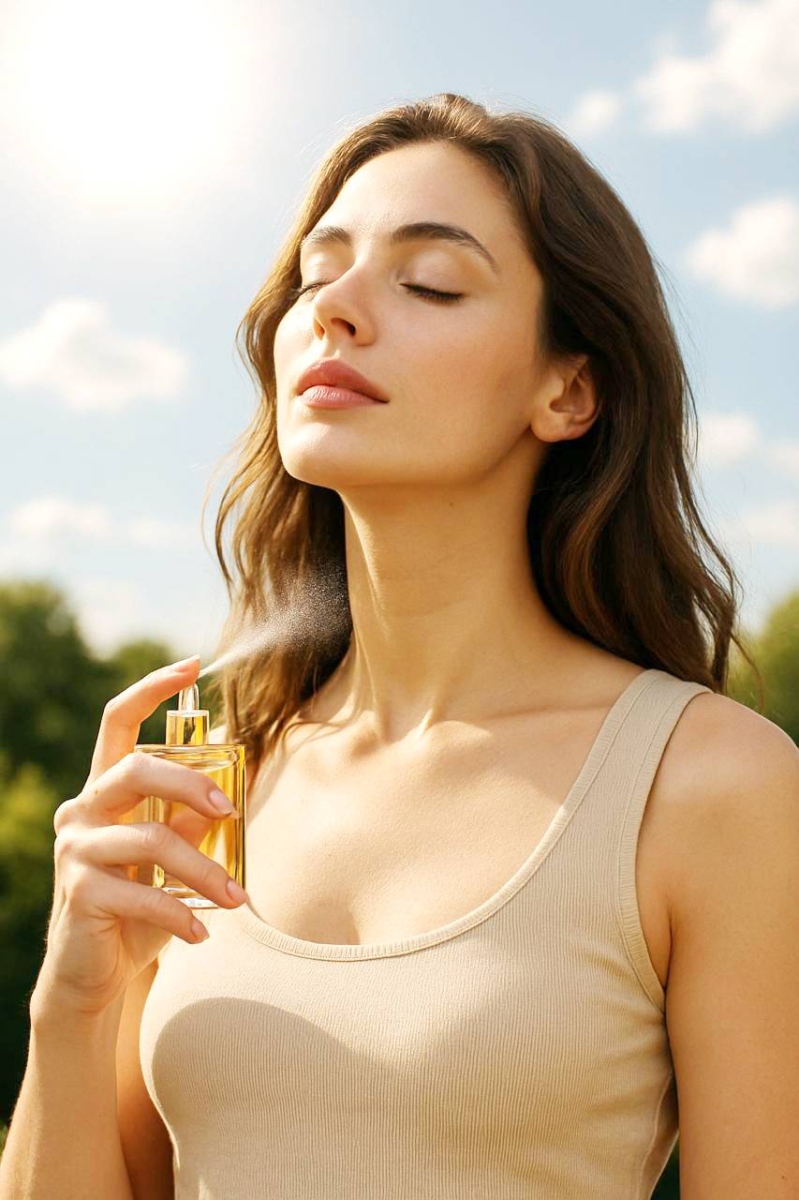
رشة عطر


تابع قناة عكاظ على الواتساب
«عكاظ» (جدة) OKAZ_online@
In the height of summer, with rising temperatures, it seems that perfume is no longer just a cosmetic touch before leaving the house, but has become a chemical element that carries a hidden danger if it meets the sun.
According to what was published by "Al Arabiya Style," perfume and direct sunlight form a duo that is difficult to coexist with without health consequences, especially for the skin. When perfumed skin is exposed to sunlight,
the components of the perfume – especially alcohol, essential oils, and some plant compounds – may react with ultraviolet rays, producing compounds that could be toxic or allergenic, or even cause severe irritation and inflammation. This reaction does not appear immediately; rather, it gradually sneaks in through signs such as redness, itching, dark pigmentation, or even the appearance of burn-like spots. The bigger problem lies in perfumes that contain acidic compounds like lemon or bergamot, as they are the most prone to negative reactions with the sun.
To avoid these risks, experts recommend not spraying perfume on exposed skin before going out, especially during peak times, and it is preferable to apply it to clothing instead of the skin. It is also advised to use a strong sunscreen before exposure and to wait an appropriate period after spraying perfume to reduce the chances of interaction.
The idea is not to give up on perfume, but to handle it consciously. The goal is for perfume to remain a source of elegance, not a cause of skin problems that may have lasting effects. In the end, a single spray at the wrong time and place can turn the scent of beauty into a pain that is hard to treat. So, be smart: fragrance your presence away from the unforgiving sun.
According to what was published by "Al Arabiya Style," perfume and direct sunlight form a duo that is difficult to coexist with without health consequences, especially for the skin. When perfumed skin is exposed to sunlight,
the components of the perfume – especially alcohol, essential oils, and some plant compounds – may react with ultraviolet rays, producing compounds that could be toxic or allergenic, or even cause severe irritation and inflammation. This reaction does not appear immediately; rather, it gradually sneaks in through signs such as redness, itching, dark pigmentation, or even the appearance of burn-like spots. The bigger problem lies in perfumes that contain acidic compounds like lemon or bergamot, as they are the most prone to negative reactions with the sun.
To avoid these risks, experts recommend not spraying perfume on exposed skin before going out, especially during peak times, and it is preferable to apply it to clothing instead of the skin. It is also advised to use a strong sunscreen before exposure and to wait an appropriate period after spraying perfume to reduce the chances of interaction.
The idea is not to give up on perfume, but to handle it consciously. The goal is for perfume to remain a source of elegance, not a cause of skin problems that may have lasting effects. In the end, a single spray at the wrong time and place can turn the scent of beauty into a pain that is hard to treat. So, be smart: fragrance your presence away from the unforgiving sun.


