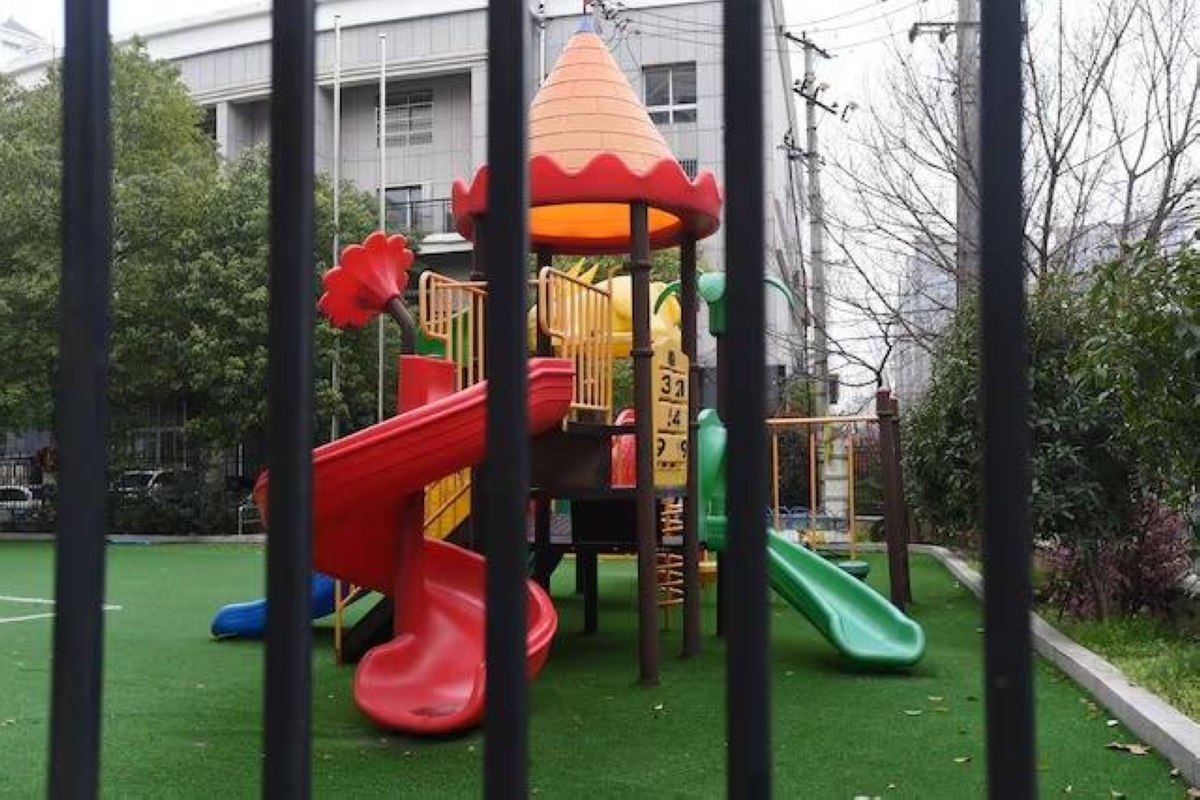
أعلنت الصين إعفاء أطفال السنة الأخيرة في رياض الأطفال العامة من الرسوم الدراسية، وتخفيضها في المدارس الخاصة المؤهلة بدءاً من الفصل الدراسي القادم، ضمن خطة تدريجية لتوفير تعليم ما قبل المدرسة مجاناً.
تأتي هذه الخطوة بعد إعلان الأسبوع الماضي دعم رعاية الأطفال حتى سن الثالثة، بهدف تعزيز معدل المواليد المتدني.
وأصدر مجلس الدولة الصيني (مجلس الوزراء) توجيهات لتقديم دعم مالي لتعويض رياض الأطفال عن تأثير هذه الإجراءات، مع حث الحكومات المحلية على تعزيز تخصيص الأموال والرقابة لضمان استمرارية عمل الروضات ومنع تأخر الرواتب.
كما أكدت التوجيهات ضرورة تضمين رواتب معلمي رياض الأطفال العامة في الضمانات المالية لضمان دفعها كاملة وفي الوقت المحدد.
وتواجه الصين انخفاضاً مستمراً في عدد السكان للسنة الثالثة على التوالي في 2024، نتيجة تراجع معدلات المواليد بعد سياسة الطفل الواحد (1980-2015) والتوسع الحضري السريع.
وتُثني تكاليف رعاية الأطفال والتعليم المرتفعة، إلى جانب القلق بشأن فرص العمل، العديد من الشباب الصينيين عن الزواج وتكوين أسر، مما يفاقم الأزمة الديموغرافية التي حذر منها الخبراء.
وأكدت الحكومة الصينية التزامها بدعم رياض الأطفال لضمان استدامة عملها، مع التركيز على تحسين بيئة التعليم ما قبل المدرسي كجزء من استراتيجية أوسع لتحفيز معدلات المواليد.
China announced the exemption of last-year children in public kindergartens from tuition fees, and a reduction in fees for eligible private schools starting from the next semester, as part of a gradual plan to provide free preschool education.
This step comes after last week's announcement of support for child care up to the age of three, aimed at boosting the low birth rate.
The Chinese State Council (the Cabinet) issued guidelines to provide financial support to compensate kindergartens for the impact of these measures, urging local governments to enhance the allocation of funds and oversight to ensure the continuity of kindergarten operations and prevent salary delays.
The guidelines also emphasized the necessity of including the salaries of public kindergarten teachers in financial guarantees to ensure they are paid in full and on time.
China is facing a continuous decline in its population for the third consecutive year in 2024, due to falling birth rates following the one-child policy (1980-2015) and rapid urban expansion.
High costs of child care and education, along with concerns about job opportunities, are deterring many young Chinese from marrying and starting families, exacerbating the demographic crisis that experts have warned about.
The Chinese government has reaffirmed its commitment to supporting kindergartens to ensure their sustainability, focusing on improving the preschool education environment as part of a broader strategy to stimulate birth rates.