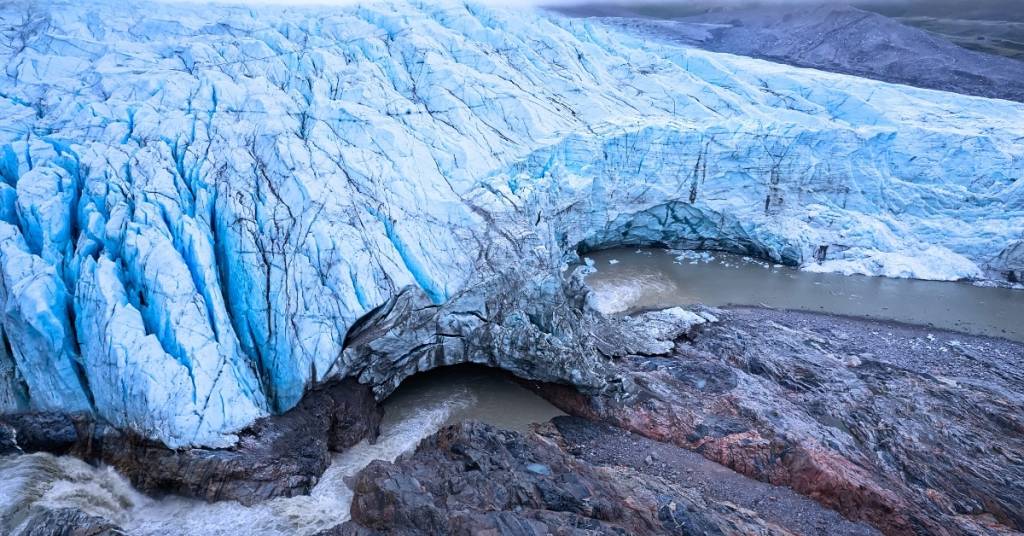
في حادثة غير متوقعة، تسرب نحو 23 مليار جالون من المياه من جليد جرينلاند، مما أثار دهشة العلماء وأدى إلى تغييرات كبيرة في فهمهم لسلوك الغطاء الجليدي. وقع هذا الحدث في عام 2014، ولكنه لم يُكتشف إلا الآن، عندما لاحظ العلماء في دراسة جديدة أن فيضانًا هائلًا حدث عندما انفجرت بحيرة مخفية تحت الجليد فجأة.
على الرغم من أن وجود بحيرات تحت الجليد في جرينلاند كان معروفًا، إلا أن هذا النوع من الفيضانات غير المتوقع كان خارج التوقعات. فقد أدى الانفجار إلى تدفق كمية ضخمة من المياه (ما يعادل تسعة شلالات نياجرا) عبر الغطاء الجليدي خلال عشرة أيام فقط، مما حول المنطقة إلى فوضى جليدية مشوهة. وبلغ عمق الحفرة التي تكونت 278 قدمًا، وهي ظاهرة لم تكن تُتوقع رؤيتها في صور الأقمار الصناعية.
ووفقًا للدراسة المنشورة في نيتشر جيوساينس، يشير هذا الاكتشاف إلى أن حدوث هذه الطردات تحت الجليدية قد يكون أكثر شيوعًا مما كان يُعتقد سابقًا. وكان العلماء يظنون أن هذه الأحداث نادرة، ولكن الآن ومع تفاقم آثار الاحتباس الحراري، يبدو أن تكرار هذه الظواهر قد يزيد من تهديد استقرار الغطاء الجليدي.
ويتعين على العلماء الآن تحديد وتيرة تصريف المياه من البحيرات الخفية تحت الجليد وكيف يمكن أن تؤثر هذه الأحداث في المستقبل على تغطية الجليد في المنطقة. وستكون هذه البيانات بالغة الأهمية في بناء نماذج واقعية لتوقع التغيرات المستقبلية التي قد تؤثر بشكل كبير على المناطق الساحلية حول العالم.
In an unexpected incident, approximately 23 billion gallons of water leaked from the Greenland ice, surprising scientists and leading to significant changes in their understanding of ice sheet behavior. This event occurred in 2014, but it was only discovered now, when scientists noticed in a new study that a massive flood happened when a hidden lake beneath the ice suddenly burst.
Although the existence of lakes beneath the ice in Greenland was known, this type of unexpected flooding was beyond expectations. The explosion resulted in a massive flow of water (equivalent to nine Niagara Falls) across the ice sheet in just ten days, turning the area into a distorted icy chaos. The depth of the crater formed was 278 feet, a phenomenon that was not expected to be seen in satellite images.
According to the study published in Nature Geoscience, this discovery suggests that the occurrence of these subglacial expulsions may be more common than previously thought. Scientists believed that these events were rare, but now, with the worsening effects of global warming, it seems that the frequency of these phenomena may increase the threat to the stability of the ice sheet.
Scientists now need to determine the rate of water drainage from the hidden lakes beneath the ice and how these events may affect ice coverage in the region in the future. This data will be crucial in building realistic models to predict future changes that could significantly impact coastal areas around the world.