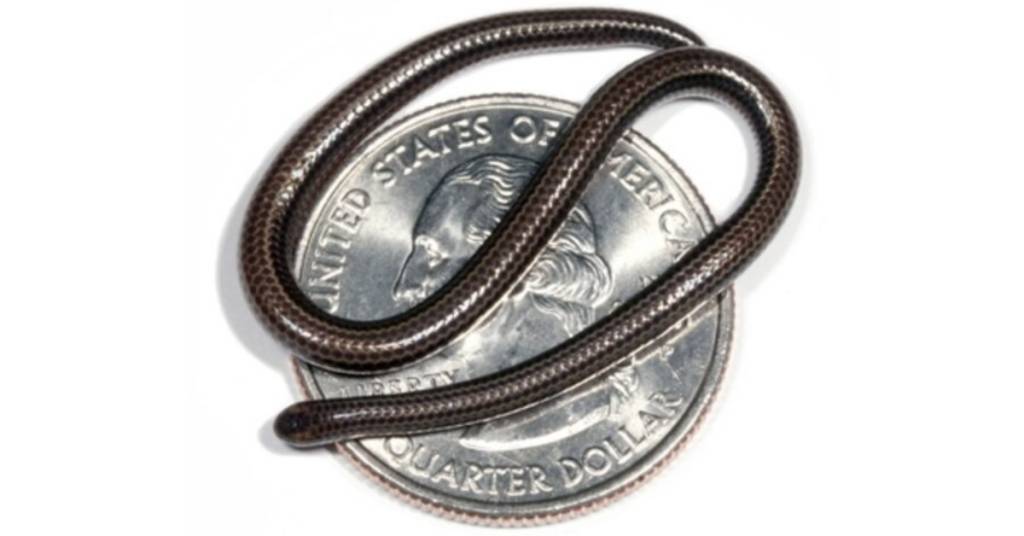
بعد اختفائه لعقود، عاد ثعبان باربادوس الخيطي (Tetracheilostoma carlae)، الذي يُعد أصغر ثعبان في العالم، إلى الظهور في غابات باربادوس. يُتوقع أن يتراوح طوله بين ثلاث إلى أربع بوصات عند اكتماله، ويشبه إلى حد كبير دودة الأرض الممدودة. وتم اكتشافه حديثًا خلال مسح بيئي مشترك بين وزارة البيئة في باربادوس ومنظمة Re:wild للحفاظ على البيئة.
وجاء هذا الاكتشاف بعد فترة طويلة من الاعتقاد بأن هذا الثعبان قد انقرض. فقد أمضى الباحث جاستن سبرينغر عامًا كاملاً في مسح الغابة وتقليب الصخور حتى اكتشف الثعبان الذي كان مختبئًا تحت صخرة. وأكد سبرينغر أن الاكتشاف كان مفاجئًا لدرجة أنه لم يستطع تصديقه في البداية.
ويتميز هذا الثعبان بحجمه الصغير جدًا، حيث يُعد أرفع من رباط الحذاء وأخف من وزن قطعة نقدية. رغم غرابة هذا الاكتشاف، فإن الوضع البيئي لهذا الثعبان هش للغاية. إذ لم يتبقَ سوى 2% من غابة باربادوس الأصلية، وقد أزيل معظمها لأغراض الزراعة على مر القرون. بالإضافة إلى ذلك، يواجه هذا الثعبان تحديات في إعادة تأهيل موائله الطبيعية بسبب احتياجاته البيئية الخاصة.
يذكر أن إناث الثعبان الخيطي تضع بيضة واحدة فقط في المرة، مما يجعل تكاثره بطيئًا جدًا مقارنة بالثعابين الغازية التي يمكنها التكاثر بسرعة. ويعتبر هذا الاكتشاف تذكيرا بأن حماية الغابات الأصلية أمر بالغ الأهمية من أجل الحفاظ على التنوع البيولوجي.
After being absent for decades, the Barbados threadsnake (Tetracheilostoma carlae), which is considered the smallest snake in the world, has reappeared in the forests of Barbados. It is expected to measure between three to four inches when fully grown, resembling an elongated earthworm. It was recently discovered during a joint environmental survey by the Barbados Ministry of the Environment and the Re:wild conservation organization.
This discovery came after a long period of believing that this snake had gone extinct. Researcher Justin Springer spent an entire year surveying the forest and flipping rocks until he found the snake hiding under a stone. Springer confirmed that the discovery was so surprising that he couldn't believe it at first.
This snake is characterized by its very small size, being thinner than a shoelace and lighter than a coin. Despite the oddity of this discovery, the environmental situation for this snake is extremely fragile. Only 2% of the original Barbados forest remains, with most of it cleared for agricultural purposes over the centuries. Additionally, this snake faces challenges in rehabilitating its natural habitats due to its specific environmental needs.
It is noted that female threadsnakes lay only one egg at a time, making their reproduction very slow compared to invasive snakes that can reproduce rapidly. This discovery serves as a reminder that protecting original forests is crucial for maintaining biodiversity.