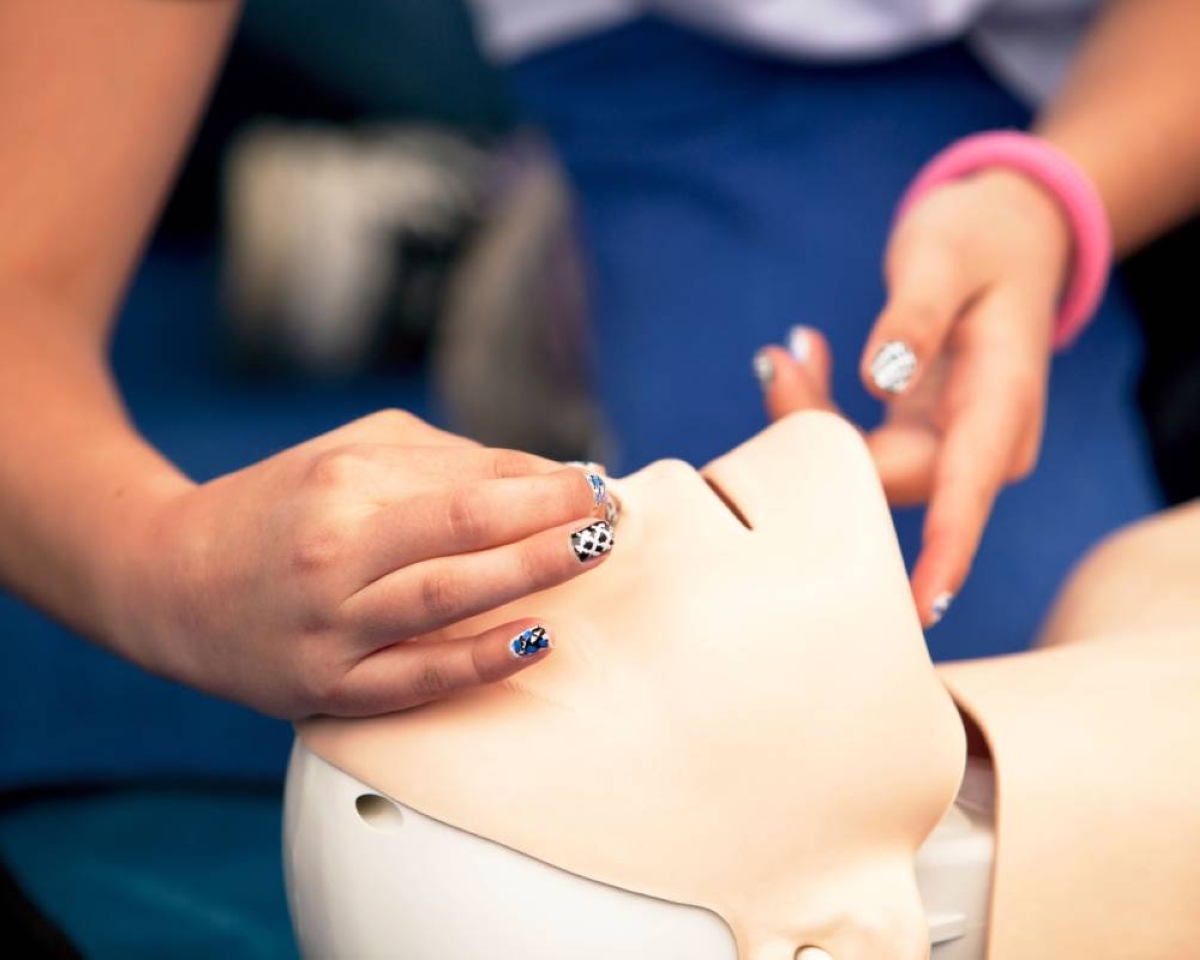
حذّر باحثون من أن التركيز على فحص مجرى الهواء أثناء الإنعاش القلبي الرئوي (CPR) قد يزيد من مخاطر الوفاة لدى الرياضيين الذين يعانون من سكتة قلبية، خاصة بسبب الاعتقاد الخاطئ بإمكانية ابتلاع اللسان، حيث يؤكد الخبراء أن البدء الفوري بتدليك القلب هو الخطوة الأكثر أهمية.
وأوضحت الدكتورة دانا فيسكين مسؤولة الدراسة أن اللسان مثبت في الفم بعضلات وأربطة، ما يجعل ابتلاعه مستحيلاً، لكن استرخاء عضلة اللسان الرئيسية قد يسبب انسداداً في مجرى الهواء.
وأشارت إلى أن التركيز الأولي على فحص مجرى الهواء يؤخر الإنعاش القلبي واستخدام أجهزة إزالة الرجفان، وهي خطوات حاسمة لإنقاذ حياة الرياضيين.
وفي دراسة نُشرت في المجلة الكندية لأمراض القلب، حلل فريق فيسكين لقطات فيديو لـ45 حالة بين عامي 1990 و2024 لرياضيين انهاروا أثناء منافسات أو تدريبات وخضعوا لمحاولات إنعاش، في 38 حالة كانت الاستجابة الأولى مرئية، وفي 30 حالة سكتة قلبية، وتم اتخاذ إجراءات غير مناسبة في 27 حالة، مثل محاولة منع ابتلاع اللسان بفتح فم الرياضي قسراً قبل البدء بالإنعاش.
وأظهرت الدراسة أن 18 من هذه الحالات الـ27 انتهت بوفاة الرياضي أو بقائه في حالة غيبوبة، بينما لم يُسجل أي من الرياضيين الثلاثة الذين تلقوا تدليك القلب كإجراء أولي مثل هذه النتائج.
وقالت فيسكين إن الاتساق في الاستجابة الخاطئة في معظم الحالات يُعد نتيجة قوية، رغم صعوبة إجراء مقارنات إحصائية بسبب قلة الحالات التي لم تشمل محاولات منع ابتلاع اللسان.
وكشفت الدراسة أن العديد من التقارير الإخبارية البارزة استخدمت مصطلح ابتلاع اللسان وأشادت بمحاولات منعه، ما يعزز هذه الأسطورة التي قد تكون رُوِّجت عن غير قصد عبر تسلسل (A-B-C مجرى الهواء، التنفس، الدورة الدموية) في تعليم الإنعاش القلبي.
وأشارت إلى أن جمعية القلب الأمريكية غيّرت هذا التسلسل إلى C-A-B في عام 2010 للتركيز على تدليك القلب أولاً.
وأكد متحدث باسم كلية المسعفين في المملكة المتحدة أن الإرشادات الحالية من مجلس الإنعاش البريطاني توصي العامة بالبدء بتدليك القلب فوراً والاتصال بخدمات الطوارئ (999) إذا أصبح شخص فاقداً للوعي ولا يتنفس أو يتنفس بشكل غير طبيعي، وأضاف أن المسعفين المدربين يعطون الأولوية لتدليك القلب بينما يدير آخرون مجرى الهواء.
Researchers have warned that focusing on airway examination during cardiopulmonary resuscitation (CPR) may increase the risk of death among athletes experiencing cardiac arrest, particularly due to the misconception that the tongue can be swallowed, as experts emphasize that immediate initiation of chest compressions is the most important step.
Dr. Dana Fiskin, the study's lead, explained that the tongue is anchored in the mouth by muscles and ligaments, making it impossible to swallow, but relaxation of the main tongue muscle can cause airway obstruction.
She noted that the initial focus on airway examination delays cardiopulmonary resuscitation and the use of defibrillators, which are critical steps in saving athletes' lives.
In a study published in the Canadian Journal of Cardiology, Fiskin's team analyzed video footage of 45 cases between 1990 and 2024 involving athletes who collapsed during competitions or training and underwent resuscitation attempts. In 38 cases, the initial response was visible, and in 30 cases of cardiac arrest, inappropriate actions were taken in 27 cases, such as attempting to prevent tongue swallowing by forcibly opening the athlete's mouth before starting resuscitation.
The study showed that 18 of these 27 cases ended with the athlete's death or remaining in a coma, while none of the three athletes who received chest compressions as an initial measure experienced such outcomes.
Fiskin stated that the consistency in the incorrect response in most cases is a strong finding, despite the difficulty in making statistical comparisons due to the few cases that did not involve attempts to prevent tongue swallowing.
The study revealed that many prominent news reports used the term "tongue swallowing" and praised attempts to prevent it, reinforcing this myth that may have been inadvertently promoted through the sequence (A-B-C airway, breathing, circulation) in CPR education.
It noted that the American Heart Association changed this sequence to C-A-B in 2010 to focus on chest compressions first.
A spokesperson for the College of Paramedics in the UK confirmed that current guidelines from the British Resuscitation Council recommend that the public start chest compressions immediately and call emergency services (999) if someone becomes unresponsive and is not breathing or is breathing abnormally. They added that trained paramedics prioritize chest compressions while others manage the airway.