قبل أن تهتز الأرض أو تعصف الأمواج بالسواحل، كثيرًا ما تتصرّف الحيوانات بطريقة غير مألوفة، وكأنها تستشعر الخطر القادم قبل وقوعه. من الكلاب التي تنبح بلا توقف، إلى القطط التي تختفي فجأة، والطيور التي تغيّر مسارها دون إنذار، تكرّرت الملاحظات حول سلوك غير طبيعي يصدر عن الحيوانات قبل الكوارث الطبيعية، ما فتح باب التساؤلات العلمية حول ما إذا كانت هذه الكائنات تمتلك بالفعل قدرة فطرية على التنبؤ بالخطر.
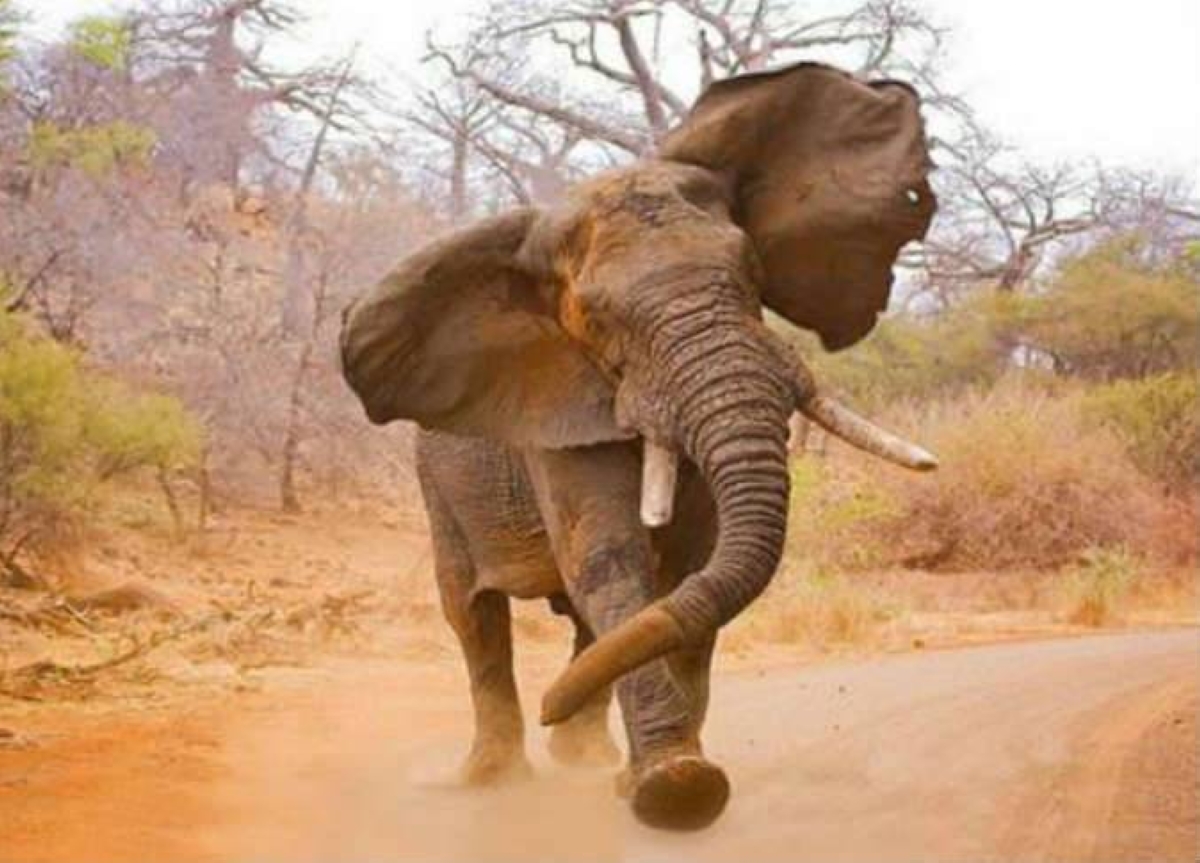
في العديد من الحالات التي وثقتها سجلات الكوارث، شوهدت الفيلة وهي تهرع نحو المرتفعات قبل لحظات من ضربات تسونامي، فيما غادرت أسراب النحل خلاياها بشكل جماعي قبل زلازل مدمرة. وفي اليابان، لاحظ سكان المناطق المعرضة للهزات الأرضية تغيرا مفاجئا في سلوك الكلاب والقطط قبل حدوث الزلازل بساعات، ما دفع السلطات لاحقا لتسجيل هذه البلاغات ضمن مؤشرات مبكرة غير علمية، لكنها متكررة بشكل لافت.
العلماء لم يتوصلوا حتى الآن إلى تفسير دقيق لهذه الظاهرة، لكن بعض النظريات تشير إلى أن الحيوانات قادرة على التقاط تغيرات في الموجات الكهرومغناطيسية، أو الذبذبات الدقيقة التي تسبق وقوع الزلازل والانفجارات البركانية. وهناك فرضيات أخرى تربط هذه السلوكيات بالحساسية الفائقة لبعض الأنواع تجاه التغيرات في ضغط الهواء، أو ذبذبات الأرض التي تسبق الحركات التكتونية.
ورغم أن هذه الظواهر لم تعتمد رسميًا في أنظمة الإنذار المبكر، فإن كثيرًا من العلماء يرون أن مراقبة سلوك الحيوانات قد يكون خطوة مكملة لرصد الكوارث، خصوصا في المناطق الريفية أو التي تفتقر إلى أجهزة متقدمة. وفي الصين واليونان والهند، توثق تقارير محلية إشارات سلوكية متكررة لدى حيوانات المزارع قبل وقوع كوارث طبيعية، ما يعزز الدعوات إلى توسيع الأبحاث في هذا المجال.
تبقى الحقيقة العلمية النهائية محل بحث، لكن الملاحظ أن الحيوانات بتكوينها الفطري وتفاعلها مع الطبيعة قد تحمل لنا إنذارًا صامتًا حين تقترب الكارثة. فهل آن الأوان لنأخذ أصواتها وتصرفاتها بجدية أكبر؟
Before the earth shakes or waves batter the shores, animals often behave in unusual ways, as if they sense the impending danger before it occurs. From dogs barking incessantly to cats suddenly disappearing and birds changing their flight paths without warning, observations of abnormal behavior exhibited by animals before natural disasters have been repeated, raising scientific questions about whether these creatures actually possess an innate ability to predict danger.
In many documented cases of disasters, elephants have been seen rushing to higher ground moments before tsunami strikes, while swarms of bees have left their hives en masse before devastating earthquakes. In Japan, residents of earthquake-prone areas have noticed a sudden change in the behavior of dogs and cats hours before earthquakes occur, prompting authorities to later record these reports as unofficial early indicators, though they are notably recurring.
Scientists have yet to arrive at a precise explanation for this phenomenon, but some theories suggest that animals are capable of detecting changes in electromagnetic waves or subtle vibrations that precede earthquakes and volcanic eruptions. Other hypotheses link these behaviors to the heightened sensitivity of certain species to changes in air pressure or ground vibrations that occur before tectonic movements.
Although these phenomena have not been officially incorporated into early warning systems, many scientists believe that monitoring animal behavior could be a complementary step in disaster detection, especially in rural areas or those lacking advanced equipment. In China, Greece, and India, local reports document recurring behavioral signals among farm animals before natural disasters, reinforcing calls to expand research in this field.
The ultimate scientific truth remains under investigation, but it is evident that animals, with their innate composition and interaction with nature, may provide us with a silent warning when disaster approaches. Is it time to take their voices and behaviors more seriously?