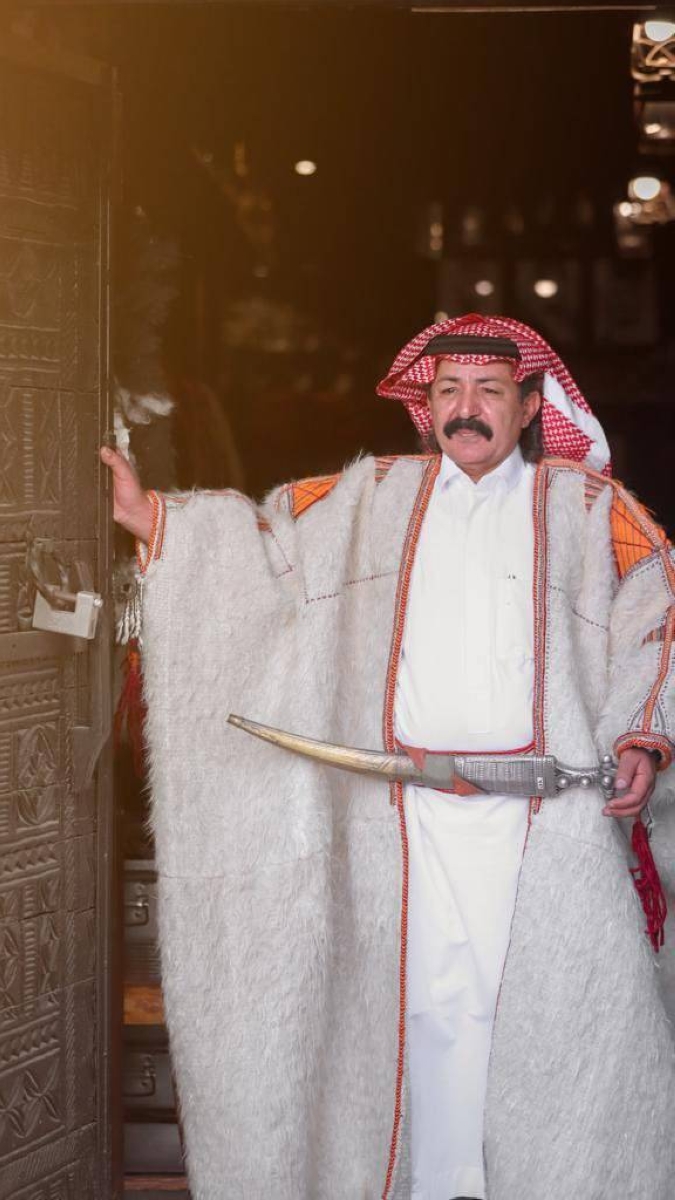
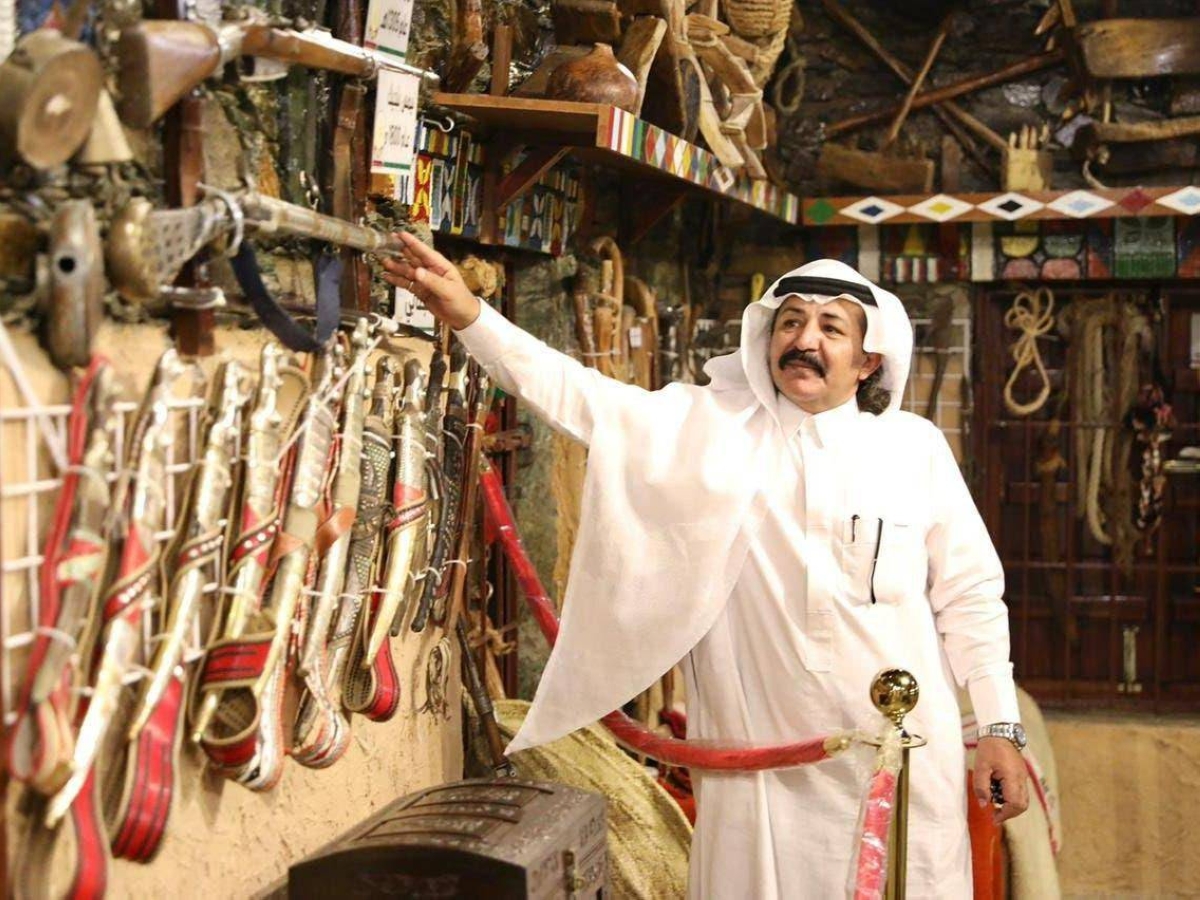
في قرية الأطاولة الوادعة بمحافظة القرى في منطقة الباحة، وقف ناصر الفيان على أطلال الذاكرة وجمع منها ما تفرق في البيوت والأسواق والوديان ليصنع منه متحفا لا يشبه سواه، متحف ولد من قلب رجل أحب تراثه فاحتفظ به قطعة قطعة حتى غدت تلك القطع المتناثرة صورة كاملة لذاكرة جيل.
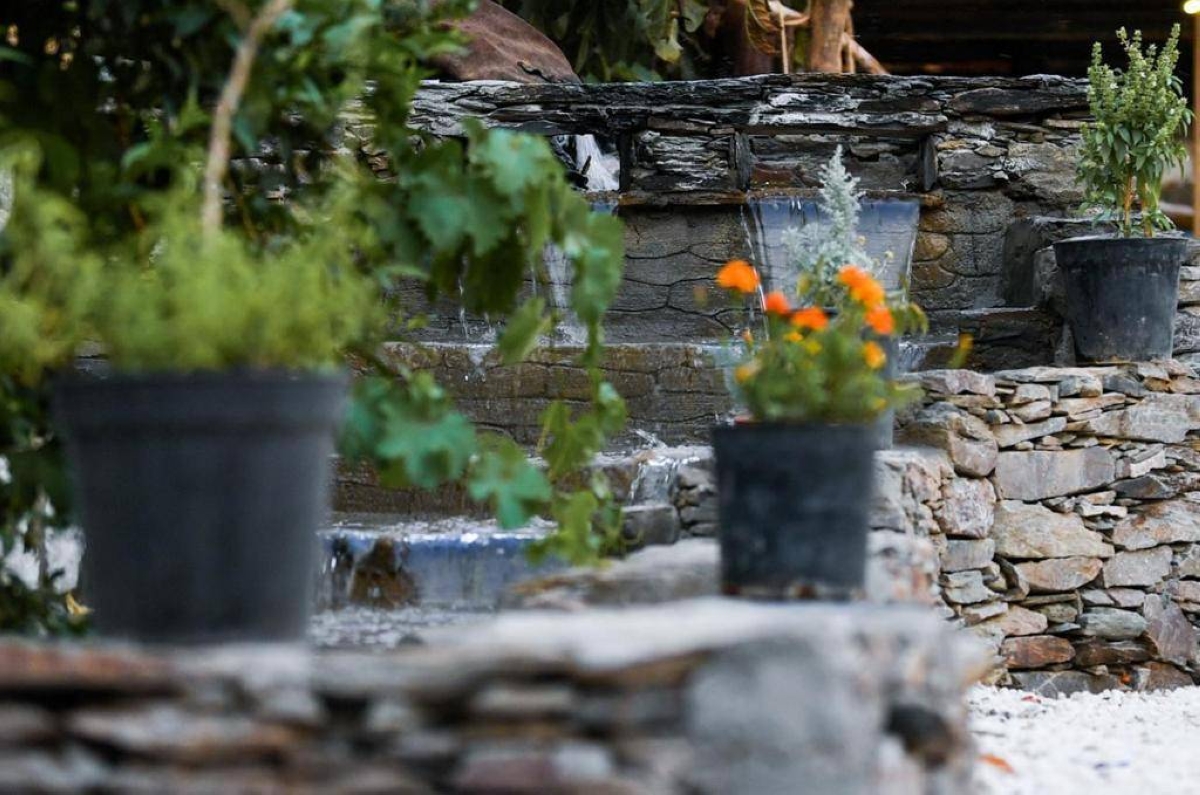
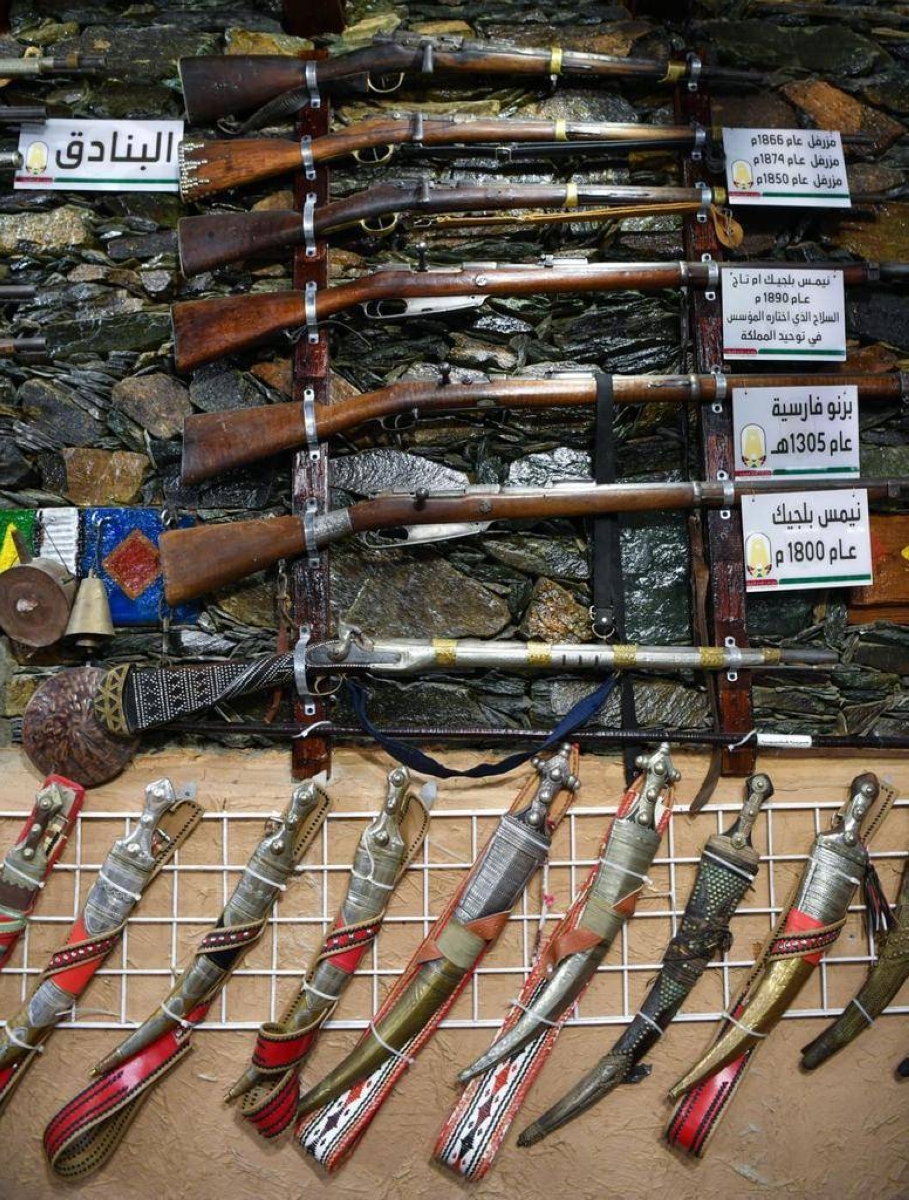
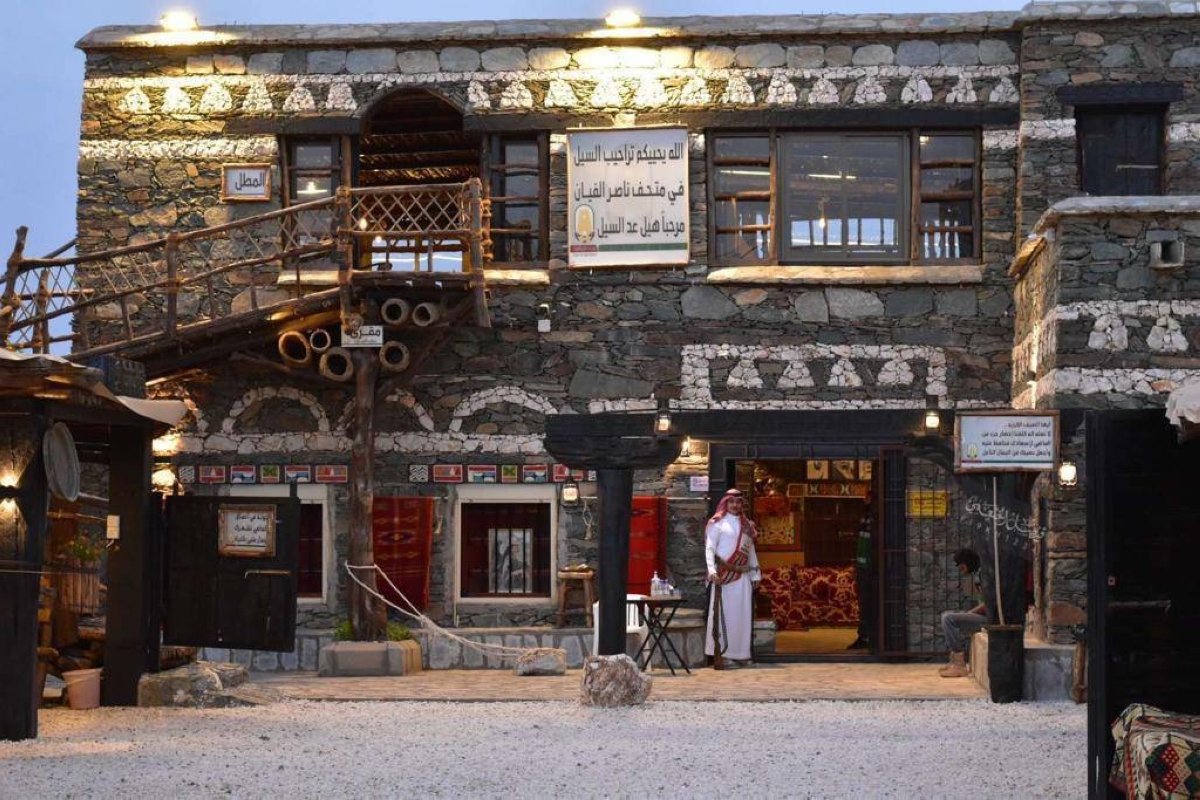
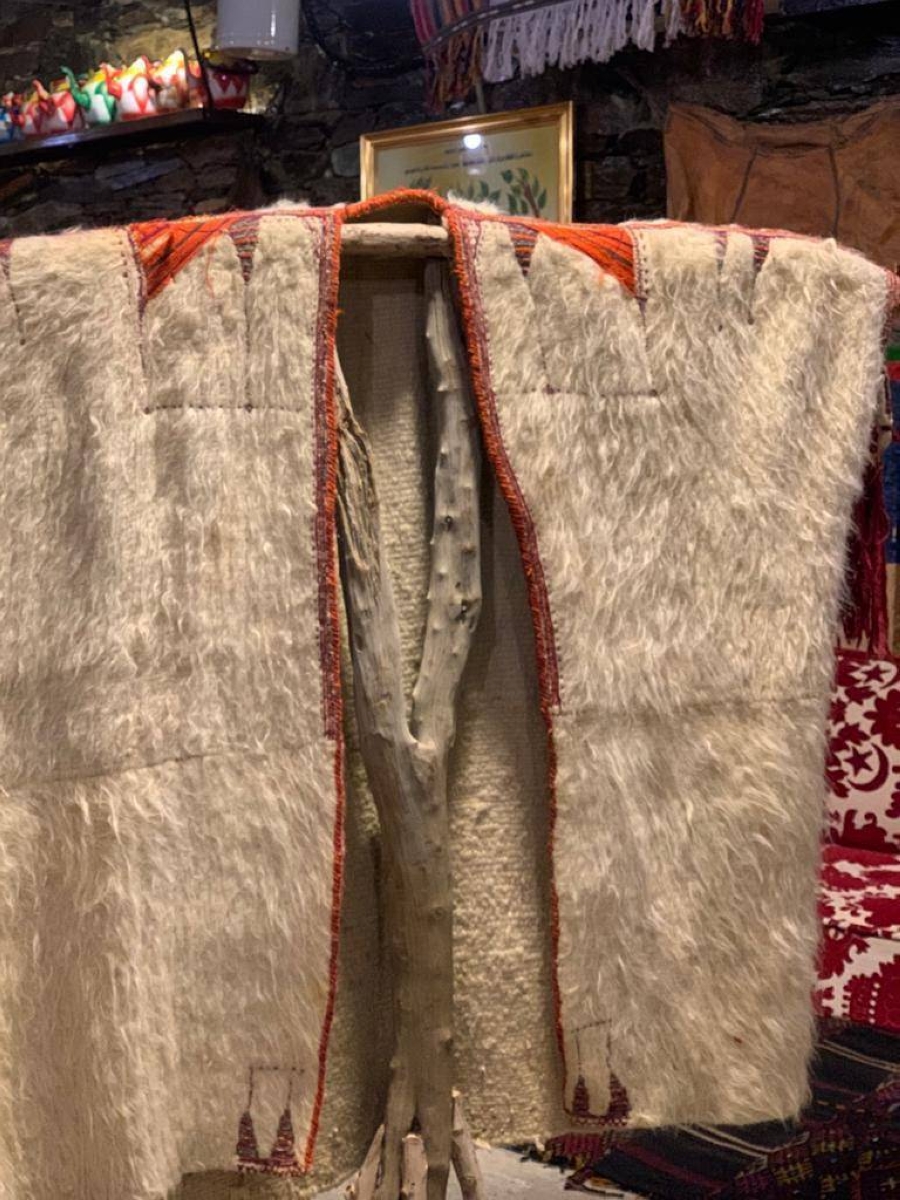
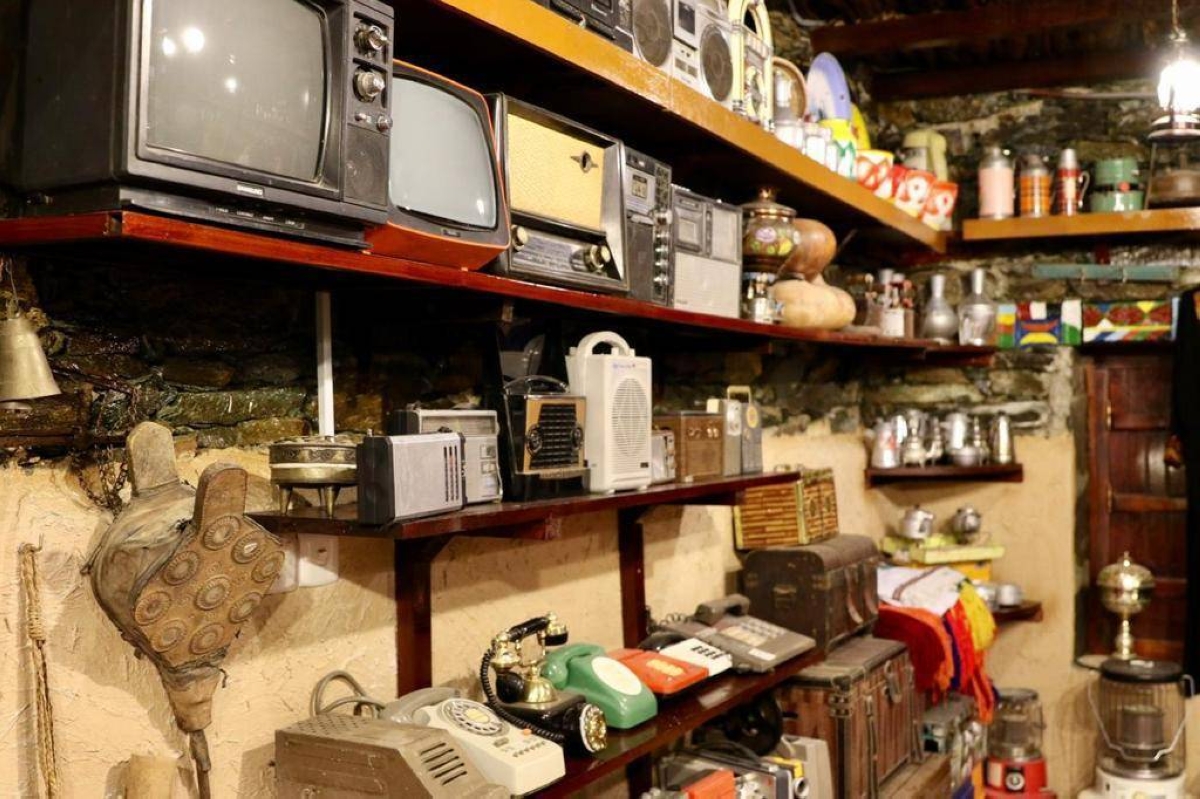
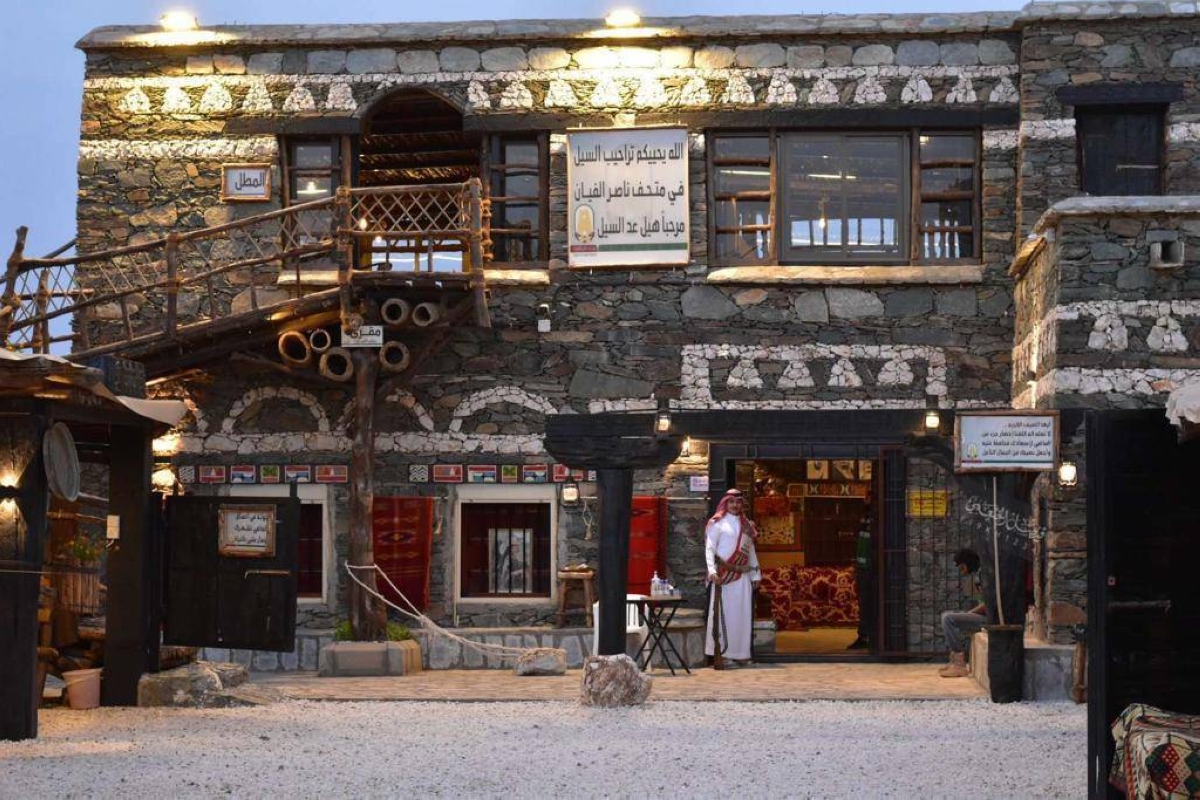
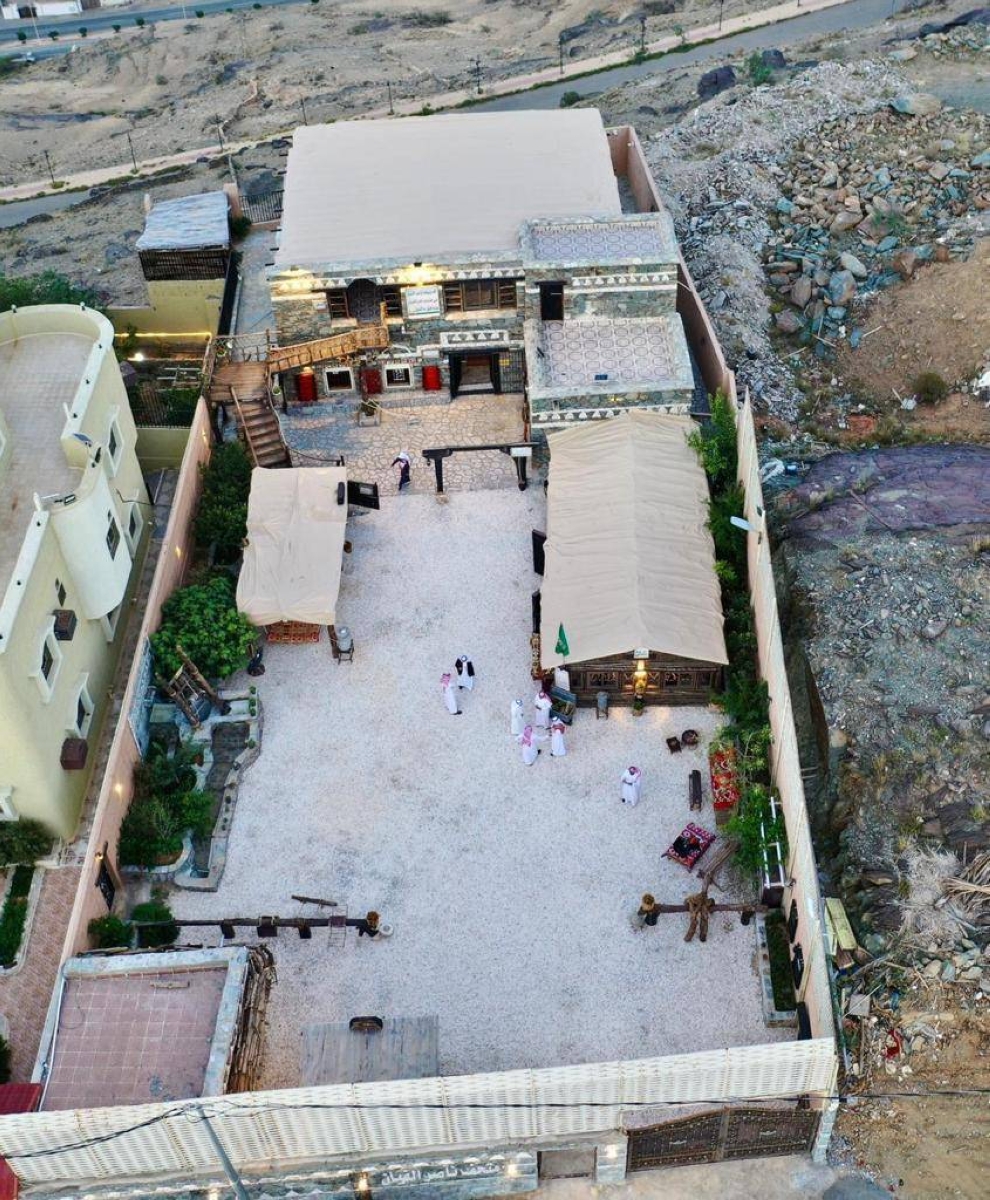
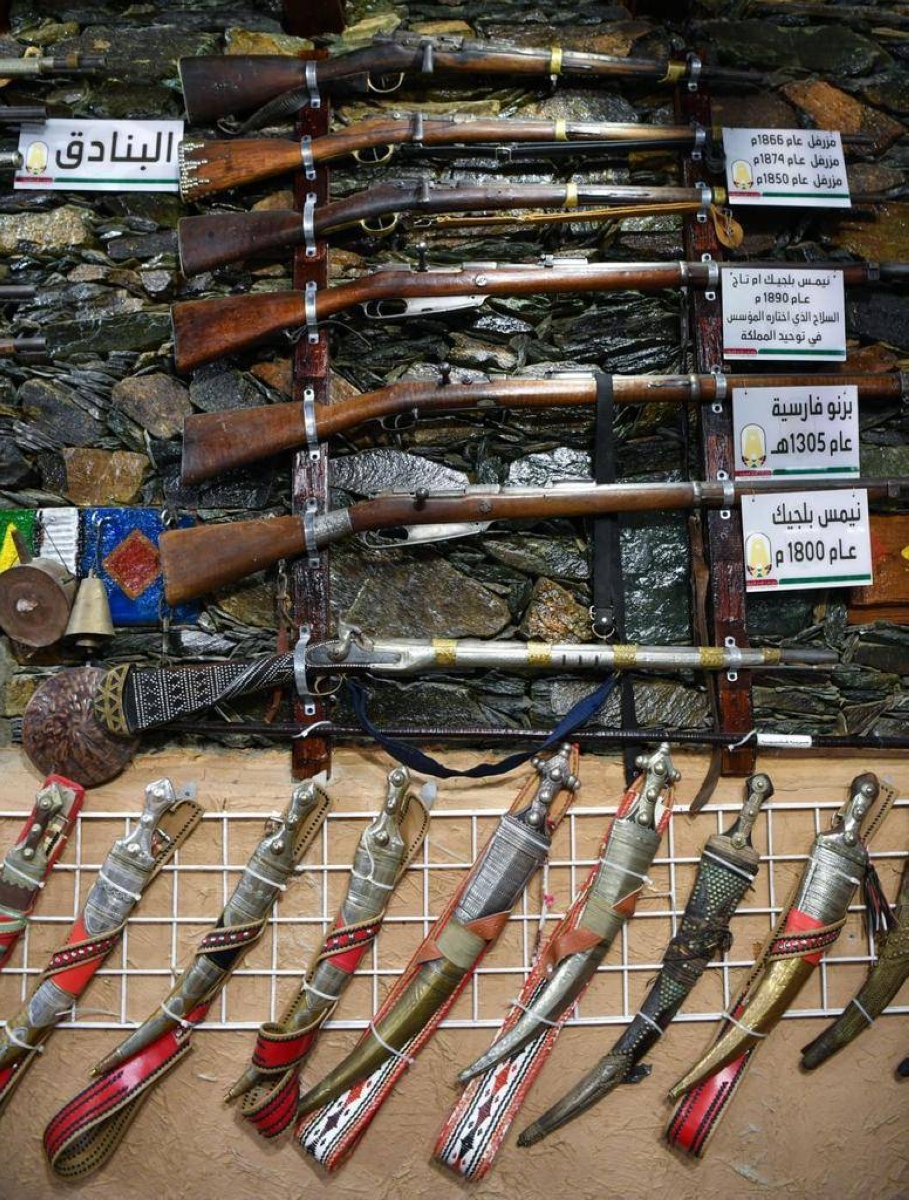
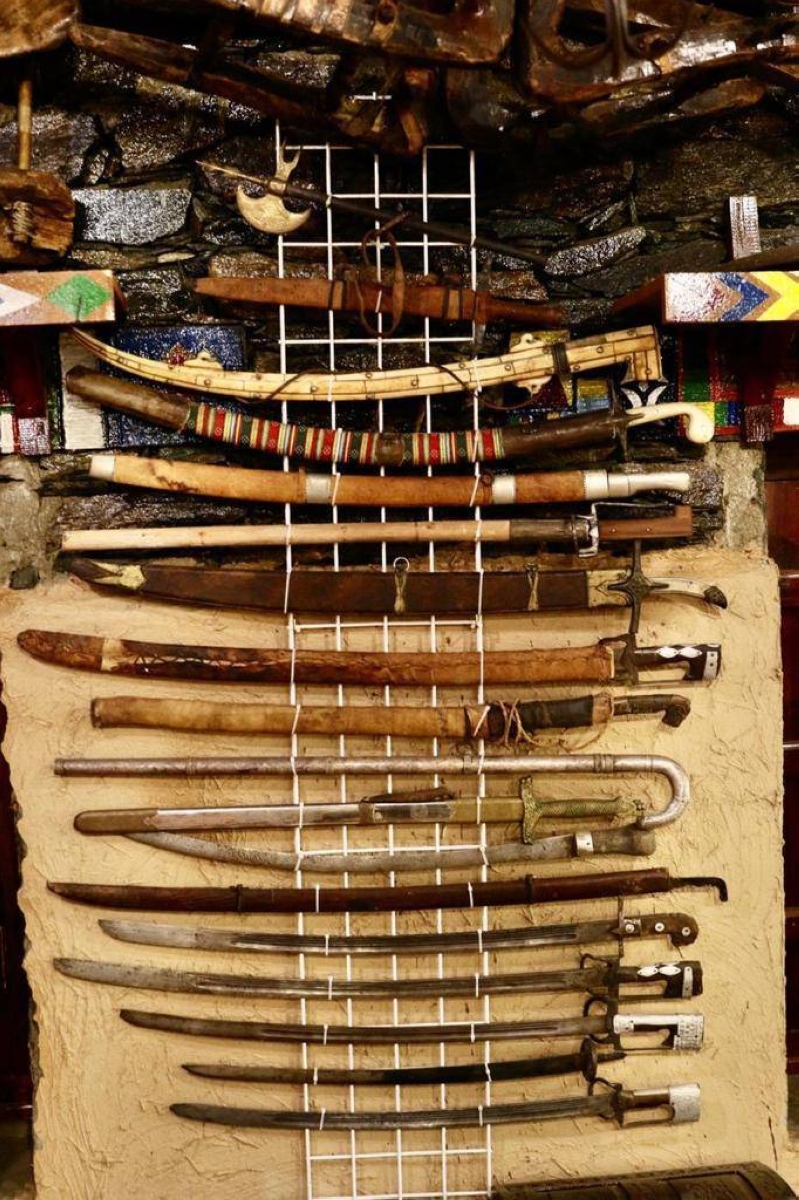
بدأ الفيان رحلته عام ١٤١٤ وهو يتنقل بين القرى يجمع ما تبقى من أثر الناس، من صحون ومصابيح وأبواب وسيوف ومخطوطات، وكلما التقط قطعة شعر أنه ينقذ حكاية من النسيان. لم تكن الهواية وحدها هي الدافع، بل كان يرى في ذلك وفاء لتاريخ أهله وحفظا لملامح عاشها ولم يشأ لها أن تضيع، وحين ضاق منزله بما جمع قرر أن يبني للماضي بيتا فشيّد عام ١٤٣٨ مبنى حجريا على الطراز الجنوبي بجدران عرضها متر، وأسقف من خشب العرعر والعتم وأبواب مصنوعة من المصاريع والزفر القديم، أراد أن لا يكون المتحف قاعة عرض باردة بل بيتا نابضا بروح الزمان. وتتوزع داخل المتحف ثلاثة أقسام رئيسية المعزب الذي يمثل المجلس التقليدي بكل ملامحه، والمجها التي خصصت للضيافة وأدوات الإنارة وصحاف الطعام والوثائق القديمة، والشقيق وهو القسم الأكبر ويحتوي على المخطوطات والعملات والأسلحة والأدوات الزراعية وحلي النساء وملابسهن وأدوات المطبخ. وفي الدور العلوي الرعش كما يسميه. تطل نوافذ المتحف على قرى المحافظة وفيه كوفي هادئ وضعت فيه قطع نادرة جدا منها شاهد قبر حجري يعود لأكثر من ألف سنة ومصاحف عمرها قرون وسيوف وبنادق وسكاكين وحجج قديمة تمثل مراحل من التاريخ الجنوبي. أما الساحات الخارجية فتمثل محاكاة حية للبيئة القديمة من بئر ورعلان ومدريها ومسدح وفي إحدى الزوايا كوخ ثقافي بُني لاستقبال الضيوف واحتوى على صور ووثائق ومقتنيات كانت شاهدة على التحولات الاجتماعية في المنطقة. يقول ناصر الفيان لم أجمع التراث لاحتفظ به بل لأعرضه ليعيش من يراه التفاصيل كما كانت لا كما تُروى، كل قطعة هنا تحكي وجها من وجوه الزمن الجميل. اليوم لم يعد متحف ناصر الفيان مجرد مكان لعرض القديم بل أصبح مزارا للباحثين عن الحقيقة ومقصدا لمحبي الأصالة وسجلا مفتوحا كتبه صاحبه بيده وبعينيه وبذاكرته التي لم تخنه يوما.
In the tranquil village of Al-Atawlah in Al-Qura Province in the Al-Baha region, Nasser Al-Fayan stood on the ruins of memory, gathering what had scattered in homes, markets, and valleys to create a museum unlike any other. This museum was born from the heart of a man who loved his heritage and preserved it piece by piece until those scattered pieces formed a complete picture of a generation's memory.
Al-Fayan began his journey in 1414 AH, moving between villages to collect what remained of people's traces—dishes, lamps, doors, swords, and manuscripts. Each time he picked up a piece, he felt he was saving a story from oblivion. It was not just a hobby that drove him; he saw it as a tribute to his family's history and a preservation of the features he lived through and did not want to see lost. When his home became cramped with his collection, he decided to build a house for the past, constructing in 1438 AH a stone building in the southern style, with walls a meter thick, ceilings made of juniper and olive wood, and doors crafted from old shutters and zafar. He wanted the museum to be a vibrant home filled with the spirit of time, not just a cold exhibition hall. Inside the museum, there are three main sections: the Al-Ma'zab, which represents the traditional council with all its features; the Al-Majha, dedicated to hospitality, lighting tools, food dishes, and old documents; and the Al-Shuqaq, the largest section, containing manuscripts, coins, weapons, agricultural tools, women's jewelry, their clothing, and kitchen utensils. In the upper floor, which he calls Al-Ra'ash, the museum's windows overlook the villages of the province, and it features a quiet coffee area where very rare pieces are displayed, including a stone tombstone dating back over a thousand years, centuries-old Qurans, swords, rifles, knives, and old documents representing stages of southern history. The outdoor areas simulate the old environment with a well, a Ralan, and a Misdah, and in one corner, there is a cultural hut built to welcome guests, containing photos, documents, and artifacts that witnessed the social transformations in the region. Nasser Al-Fayan says, "I did not collect heritage to keep it; I collected it to display it so that those who see it can live the details as they were, not as they are told. Every piece here tells a facet of the beautiful time." Today, Nasser Al-Fayan's museum is no longer just a place to showcase the old; it has become a destination for those seeking the truth, a haven for lovers of authenticity, and an open record written by its owner with his hands, his eyes, and his memory that has never betrayed him.