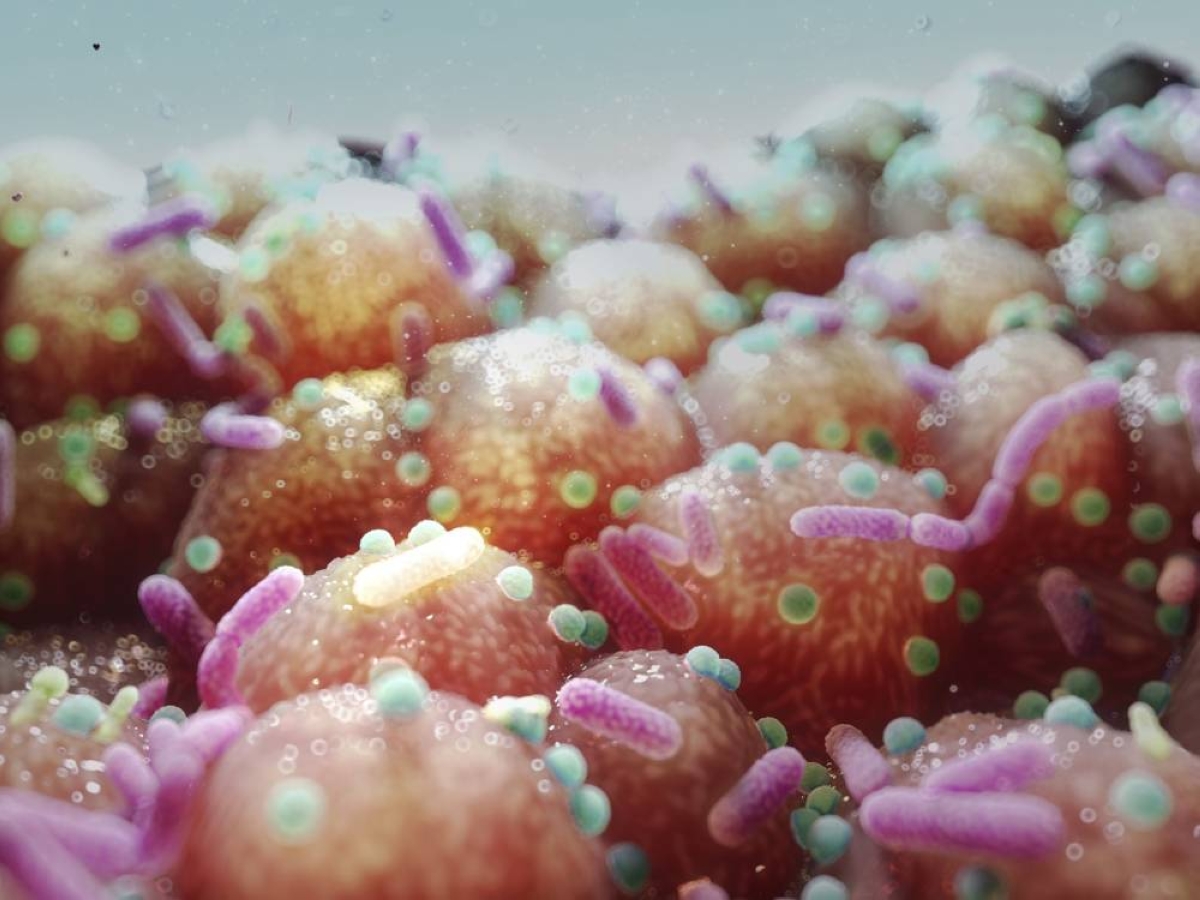
كشف فريق بحثي من جامعة «ديوك» الأمريكية عن نظام عصبي غير مسبوق يُمكّن الميكروبات المعوية من التواصل الفوري مع الدماغ البشري.
ويحمل هذا الاكتشاف، الذي نُشرت تفاصيله في دورية Nature العلمية، اسم «الحاسة العصبية الميكروبية»، وهو يمثل نظاماً جديداً يؤثر بشكل مباشر في الشهية والسلوك الغذائي والمزاج، عبر تفاعل فوري بين البكتيريا المعوية والخلايا العصبية.
ويعتمد هذا النظام العصبي الميكروبي على خلايا متخصصة تسمى «الخلايا العصبية المعوية» التي تبطن جدار القولون. تعمل هذه الخلايا على التقاط بروتين يُدعى «فلاجيلين» تفرزه البكتيريا المعوية أثناء عملية الهضم، ثم ترسل إشارات عصبية إلى الدماغ عبر العصب المبهم، مما يؤثر مباشرة على شعور الإنسان بالشبع.
ويشير الباحثون إلى أن هذا النظام العصبي الميكروبي لا يقتصر تأثيره على الشهية فحسب، بل يفسر أيضا العلاقة بين التغذية والحالة النفسية، ما يعزز الفرضية القائلة بأن صحة الأمعاء ترتبط مباشرة بالصحة العقلية.
جدير بالذكر أن هذا الاكتشاف يُعد من أبرز الاكتشافات الحديثة التي تسلط الضوء على الدور الحيوي الذي تلعبه الميكروبات في تنظيم وظائف الدماغ والجسم، كما يفتح المجال أمام تطوير علاجات مبتكرة، مما قد يشكل نقلة نوعية في علاج العديد من الأمراض المزمنة والاضطرابات النفسية.
A research team from Duke University has uncovered an unprecedented neural system that enables gut microbes to communicate instantly with the human brain.
This discovery, detailed in the journal Nature, is called the "microbial neural sense," representing a new system that directly affects appetite, dietary behavior, and mood through immediate interaction between gut bacteria and nerve cells.
This microbial neural system relies on specialized cells known as "enteric neurons" that line the wall of the colon. These cells capture a protein called "flagellin" secreted by gut bacteria during digestion, then send nerve signals to the brain via the vagus nerve, directly influencing a person's feeling of fullness.
Researchers indicate that this microbial neural system does not only affect appetite but also explains the relationship between nutrition and mental state, reinforcing the hypothesis that gut health is directly linked to mental health.
It is worth noting that this discovery is one of the most significant recent findings highlighting the vital role microbes play in regulating brain and body functions, as well as opening the door to the development of innovative treatments, which could represent a qualitative leap in the treatment of many chronic diseases and mental disorders.