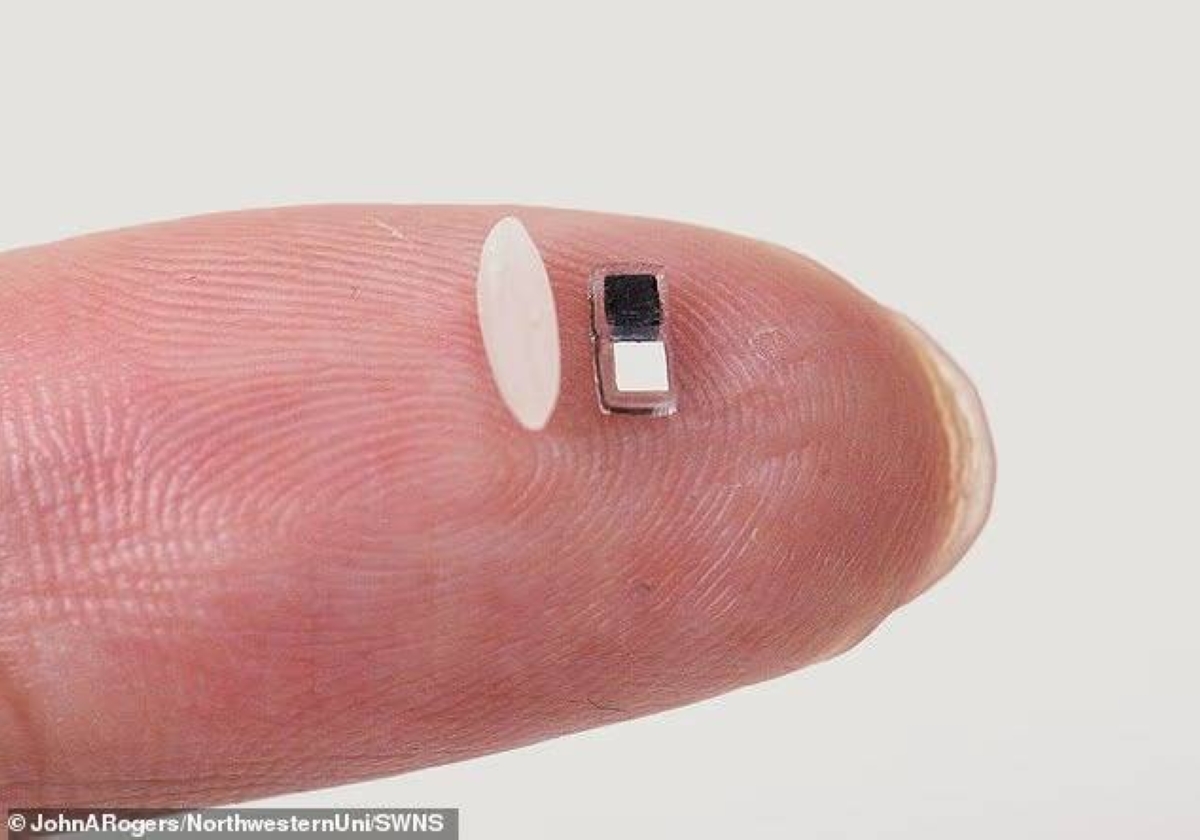
في تطور طبي غير مسبوق، طوّر باحثون في جامعة نورث وسترن في إلينوي، الولايات المتحدة، جهاز تنظيم ضربات قلب بحجم أصغر من حبة الأرز، يمكن حقنه مباشرة في القلب عبر الجلد دون الحاجة إلى عملية جراحية.
هذا الجهاز المبتكر، الذي يُعد الأصغر من نوعه في العالم، وفقاً لصحيفة «mail online»، لا يحتاج إلى أسلاك توصيل ويذوب تلقائياً داخل الجسم بعد أسابيع أو أشهر، ليخرج مع الفضلات، مما يقلل من مخاطر العدوى والمضاعفات الجراحية.
يُزرع أسبوعياً نحو 1000 جهاز تنظيم ضربات قلب في المملكة المتحدة ضمن نظام الخدمات الصحية الوطنية (NHS) لتنظيم ضربات القلب وحماية المرضى من اضطرابات الإيقاع القلبي التي قد تكون قاتلة.
ومنذ استخدام أول جهاز في السويد عام 1958، ساهم هذا الاختراع في إنقاذ عشرات الآلاف من الأرواح، لكن الأجهزة التقليدية، بحجم علبة الثقاب ومتصلة بالقلب بأسلاك، قد تسبب مضاعفات مثل العدوى، الجلطات الدموية، أو تلف الأعصاب أثناء الجراحة، فضلاً عن توقف عملها إذا انفصلت الأسلاك أو تعطلت.
الجهاز الجديد الذي صُمم في الأصل لمراقبة قلوب الأطفال حديثي الولادة الذين خضعوا لجراحات قلبية منقذة للحياة، يعمل دون بطارية، وبدلاً من ذلك يعتمد على معدنين يولدان طاقة كهربائية عند ملامستهما للدم أو سوائل الجسم.
ويتم التحكم في الجهاز بواسطة قرص بلاستيكي صغير يُلصق على جلد الصدر فوق القلب، مزود بمستشعر يكتشف اضطرابات الإيقاع القلبي ويرسل نبضات ضوئية بالأشعة تحت الحمراء عبر الجلد والعضلات لتفعيل الجهاز واستعادة الإيقاع الطبيعي للقلب.
ويُستخدم هذا الجهاز بشكل مؤقت لدى البالغين الذين يعانون من تباطؤ مفاجئ في ضربات القلب نتيجة التهاب عضلة القلب أو مضاعفات جراحية، وكذلك للأطفال الذين يولدون بعيوب خلقية في القلب، إذ يحتاج أكثر من 6000 طفل سنوياً في المملكة المتحدة إلى جراحات قلبية.
الجهاز الجديد يلغي الحاجة إلى جراحة لإزالته، مما يقلل من مخاطر المضاعفات مثل النزيف الداخلي، كما حدث مع رائد الفضاء نيل أرمسترونغ الذي توفي عام 2012 بسبب مضاعفات إزالة جهاز مؤقت.
وأظهرت الدراسات المنشورة في مجلة «نيتشر» نجاح الجهاز في تجارب على الحيوانات، إذ نجح في تصحيح اضطرابات إيقاع القلب بسرعة.
ويتوقع البروفيسور جون روجرز، قائد الدراسة، بدء التجارب السريرية على البشر خلال عامين إلى ثلاثة أعوام.
وأشار إلى أن الجهاز يمكن أن يُستخدم مستقبلاً بحقن عدة أجهزة صغيرة في أماكن مختلفة من القلب لتوفير مراقبة أكثر دقة للنشاط الكهربائي.
وعلق البروفيسور فرانسيسكو ليفا-ليون، طبيب القلب في مستشفى كوين إليزابيث في برمنغهام، قائلاً إن هذا الجهاز قد يُحدث ثورة في مراقبة القلب، خصوصاً بتقليل مخاطر العدوى المرتبطة بالجراحات التقليدية.
كما أشاد البروفيسور جيري ستانسبي، استشاري جراحة الأوعية الدموية في نيوكاسل، بالجهاز لسهولة إدخاله بالحقن، مما يجعله مثالياً للأطفال الذين قد تكون الجراحة خطرة عليهم.
وفي تجربة أخرى، نجح أطباء في مستشفى كاسل هيل في شرق يوركشاير في يناير 2025 في زراعة جهاز تنظيم ضربات قلب لاسلكي بحجم أصغر من بطارية AAA لمريض يعاني من مشكلات متكررة مع الأجهزة التقليدية بسبب التداخل مع الأجهزة الإلكترونية مثل الهواتف المحمولة.
In an unprecedented medical development, researchers at Northwestern University in Illinois, United States, have developed a pacemaker smaller than a grain of rice, which can be injected directly into the heart through the skin without the need for surgery.
This innovative device, which is considered the smallest of its kind in the world, according to the "Mail Online," does not require connecting wires and dissolves automatically inside the body after weeks or months, exiting with waste, thereby reducing the risks of infection and surgical complications.
About 1,000 pacemakers are implanted weekly in the United Kingdom within the National Health Service (NHS) system to regulate heartbeats and protect patients from potentially fatal heart rhythm disorders.
Since the first device was used in Sweden in 1958, this invention has helped save tens of thousands of lives, but traditional devices, the size of a matchbox and connected to the heart with wires, can cause complications such as infections, blood clots, or nerve damage during surgery, in addition to ceasing to function if the wires become disconnected or malfunction.
The new device, originally designed to monitor the hearts of newborns who have undergone life-saving heart surgeries, operates without a battery and instead relies on two metals that generate electrical energy when they come into contact with blood or body fluids.
The device is controlled by a small plastic disk that is attached to the chest skin above the heart, equipped with a sensor that detects heart rhythm disturbances and sends infrared light pulses through the skin and muscles to activate the device and restore the heart's natural rhythm.
This device is temporarily used in adults who experience a sudden slowdown in heartbeats due to myocarditis or surgical complications, as well as in children born with congenital heart defects, with more than 6,000 children in the UK needing heart surgeries each year.
The new device eliminates the need for surgery to remove it, reducing the risks of complications such as internal bleeding, as occurred with astronaut Neil Armstrong, who died in 2012 due to complications from the removal of a temporary device.
Studies published in the journal "Nature" have shown the device's success in animal trials, as it was able to quickly correct heart rhythm disturbances.
Professor John Rogers, the study leader, expects to begin clinical trials on humans within two to three years.
He noted that the device could potentially be used in the future by injecting several small devices in different locations of the heart to provide more precise monitoring of electrical activity.
Professor Francisco Leiva-Leon, a cardiologist at Queen Elizabeth Hospital in Birmingham, commented that this device could revolutionize heart monitoring, especially by reducing the risks of infections associated with traditional surgeries.
Professor Gerry Stansby, a consultant vascular surgeon in Newcastle, also praised the device for its ease of injection, making it ideal for children for whom surgery may be risky.
In another trial, doctors at Castle Hill Hospital in East Yorkshire successfully implanted a wireless pacemaker smaller than a AAA battery in January 2025 for a patient who had recurring issues with traditional devices due to interference with electronic devices such as mobile phones.