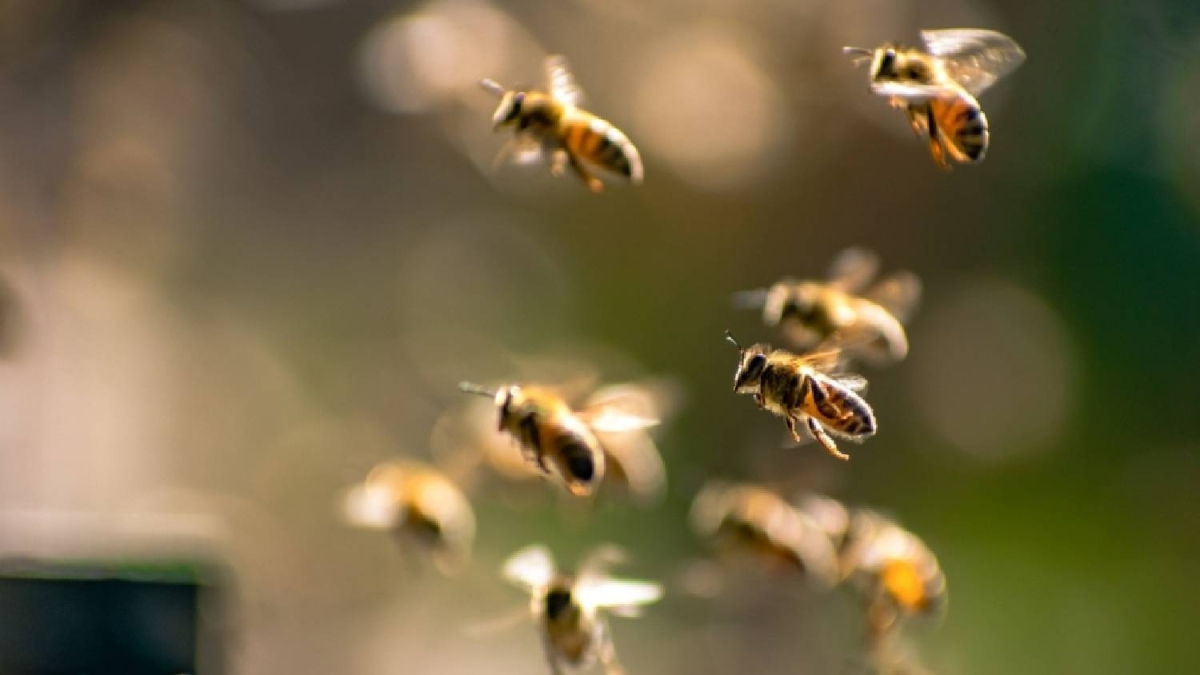
في ابتكار يتخطى حدود الخيال العلمي ويثير تساؤلات بشأن المستقبل، نجح علماء صينيون في تحويل النحل إلى روبوت حي يتم التحكم به عن بُعد باستخدام جهاز تحكم صغير يوصل بالدماغ.
في خطوة مذهلة، استطاع فريق من معهد بكين للتكنولوجيا توصيل دماغ نحلة حية بجهاز تحكم يسمح لها بالتحرك يمينًا أو يسارًا، أو حتى التراجع بناءً على الأوامر. وُصف هذا الابتكار بأنه أحد أهم التحولات في عالم الروبوتات الحيوية، حيث استخدم العلماء أداة تحكم صغيرة تزن 74 ميليغرامًا، وهي أخف وحدة دماغية متوافقة مع الحشرات تم تصنيعها حتى الآن.
وذكر الباحث الرئيسي في الدراسة، البروفيسور تشاو جيليانغ، في ورقة بحثية نُشرت أخيرًا: «الروبوتات المصممة على شكل حشرات تتمتع بقدرة فائقة على الحركة، إضافة إلى مهارات التمويه والتكيف البيئي، تمامًا كما في النحل الحي».
في اختبارات البحث، استجابت النحل للأوامر بنسبة 90%، إذ كانت تنفذ الأوامر مثل التقدم للأمام، أو الدوران، أو التراجع بناءً على نبضات كهربائية منخفضة الجهد. يتم ربط جهاز التحكم مباشرة على ظهر النحلة، متصلًا بدماغها عبر ثلاث إبر صغيرة تقوم بتحفيز الجهاز العصبي لتحريك الحشرة.
النحل هو من أكثر الحشرات كفاءة في الطيران، ويحمل بشكل طبيعي أثقالًا ثقيلة تصل إلى 80% من وزنه أثناء جمع الرحيق لمسافات طويلة، مما يجعل جهاز التحكم الذي يزن 74 ميليغرامًا ضمن قدراته.
وفيما يتعلق بتطبيقات هذه التقنية المستقبلية، يعتقد البروفيسور تشاو أن النحل الآلي قد يكون مفيدًا في المهمات العسكرية، مثل القتال في المناطق الحضرية، مكافحة الإرهاب، ومنع المخدرات، كما يمكن أن يُستخدم في الإغاثة في حالات الكوارث، أو البحث والإنقاذ في المناطق الصعبة التي يصعب الوصول إليها بواسطة الإنسان. لكن هناك تحديات مستمرة أمام هذه التقنية، فعلى الرغم من أن النحل قادر على حمل جهاز التحكم بسهولة، إلا أن مشكلة الطاقة لا تزال قائمة. حاليًا، يتم تزويد النحل بالطاقة عبر أسلاك خارجية، حيث لا تستطيع النحلة حمل البطاريات الصغيرة (600 ميليغرام) التي اختبرها العلماء. ورغم ذلك، يطمح الفريق في تطوير هذا النظام مستقبلاً، بحيث يمكن التحكم في سلوك النحل بشكل دقيق أكثر، مع تحسين قدرات الإدراك والاستقلالية. في المستقبل، قد يكون هناك نحل آلي قادر على الطيران لاسلكيًا بشكل كامل، مما يمهد الطريق لتنفيذ مهام ذاتية التشغيل في بيئات معقدة وفي الوقت الفعلي.
وتزامنا مع الإعجاب الذي يثيره هذا الابتكار، يرى البعض في هذا التطور تحولًا مزعجًا فعلى مدار سنوات، كانت لدينا مخاوف بشأن اختفاء النحل من كوكب الأرض، واليوم نجد أنفسنا نُحوّله إلى أداة مراقبة. أصبحنا نعيش في عالم يتحكم في الطبيعة بكل تفاصيلها. فهل نحن حقًا مستعدون لهذا التقدم التكنولوجي المثير؟ ربما الوقت وحده كفيل بالإجابة.
In an innovation that transcends the boundaries of science fiction and raises questions about the future, Chinese scientists have succeeded in transforming bees into living robots that can be controlled remotely using a small device connected to their brains.
In a stunning step, a team from Beijing Institute of Technology managed to connect the brain of a live bee to a controller that allows it to move right or left, or even to retreat based on commands. This innovation has been described as one of the most significant transformations in the world of bio-robotics, as the scientists used a small controller weighing 74 milligrams, which is the lightest brain unit compatible with insects manufactured to date.
The lead researcher in the study, Professor Zhao Jiliang, mentioned in a recently published paper: "Insect-shaped robots possess superior mobility, along with camouflage and environmental adaptation skills, just like live bees."
In research tests, the bees responded to commands with a 90% success rate, executing orders such as moving forward, turning, or retreating based on low-voltage electrical pulses. The controller is directly attached to the back of the bee, connected to its brain via three small needles that stimulate the nervous system to move the insect.
Bees are among the most efficient flying insects, naturally carrying heavy loads of up to 80% of their weight while collecting nectar over long distances, making the 74-milligram controller within their capabilities.
Regarding the applications of this future technology, Professor Zhao believes that robotic bees could be useful in military missions, such as urban combat, counter-terrorism, and drug prevention, and they could also be used in disaster relief or search and rescue in hard-to-reach areas. However, there are ongoing challenges facing this technology; although the bee can easily carry the controller, the energy issue remains. Currently, the bees are powered via external wires, as they cannot carry the small batteries (600 milligrams) that the scientists tested. Nevertheless, the team aims to develop this system in the future so that bee behavior can be controlled more precisely, with improved perception and autonomy capabilities. In the future, there may be robotic bees capable of flying wirelessly, paving the way for autonomous tasks in complex environments in real-time.
Alongside the admiration this innovation evokes, some see this development as a disturbing transformation. For years, we have had concerns about the disappearance of bees from the planet, and today we find ourselves turning them into surveillance tools. We are living in a world that controls nature in all its details. Are we really ready for this exciting technological advancement? Perhaps only time will tell.