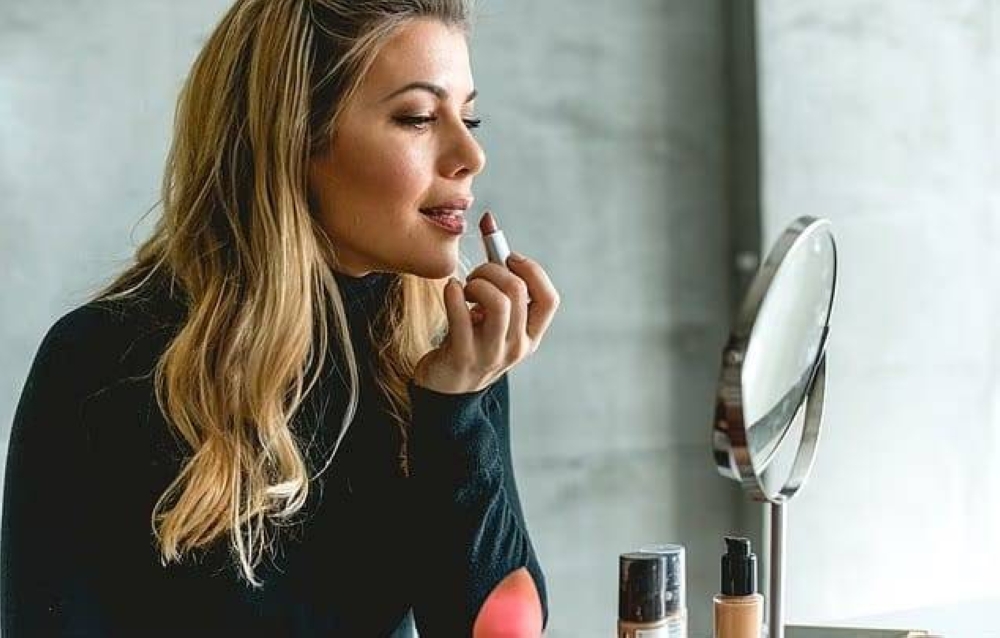
كشفت دراسة حديثة أن الاستخدام المنتظم لمستحضرات التجميل قد يزيد من مخاطر الإصابة بالربو في مرحلة البلوغ.
وأظهرت الأبحاث وجود صلة محتملة بين استخدام منتجات مثل أحمر الشفاه، ظلال العيون، والماسكارا وزيادة حالات الربو المتأخر الظهور، وهي حالة مزمنة تؤثر على حوالي 5.4 مليون شخص في المملكة المتحدة.
وفقًا للدراسة، التي نُشرت في مجلة Environment International، وشملت حوالى 40,000 شخص، فإن النساء اللواتي يستخدمن الأظافر الصناعية، كريمات البشرة، أحمر الخدود، وأحمر الشفاه يواجهن مخاطر أعلى بنسبة 47% للإصابة بالربو.
كما أن استخدام أحمر الخدود وأحمر الشفاه خمس مرات أسبوعيًا أو أكثر يزيد المخاطر بنسبة 18%.
أوضح الباحثون من المعهد الوطني الأمريكي للقلب والرئة والدم أن هذه العلاقة لا تثبت أن المنتجات تتسبب مباشرة في زيادة المخاطر، لكنها تشير إلى أن المواد الكيميائية الشائعة في مستحضرات التجميل، مثل مركبات البولي فلوروألكيل (PFAs)، البارابين، الفثالات، والفينولات، قد تؤثر على الجهاز المناعي أو تتداخل مع هرمونات الجسم.
وأكد الباحثون في الدراسة، التي نُشرت في مجلة Environment International، أن هذه النتائج تبرز الحاجة إلى تنظيم أكثر صرامة لمستحضرات العناية الشخصية ومكوناتها.
واستندت الدراسة إلى بيانات جمعت على مدى 12 عامًا، شملت استخدام 41 منتجًا تجميليًا مختلفًا. وبحلول نهاية الدراسة، تم تشخيص 1,774 امرأة - أي حوالى 4% - بالإصابة بالربو متأخر الظهور.
وتشمل أعراض الربو السعال، الصفير، ضيق الصدر، وصعوبة التنفس. بشكل عام، ارتبط استخدام هذه المنتجات بزيادة مخاطر الإصابة بالربو بنسبة 19%، بينما زاد الاستخدام المتكرر المخاطر بنسبة 22%.
وتشير أبحاث سابقة إلى أن التعرض للمواد الكيميائية في مستحضرات التجميل خلال الحمل المبكر قد يزيد من مخاطر إصابة الأطفال بالربو، لكن الدراسات حول تأثيرها على البالغين كانت محدودة.
وأوضح الباحثون أن فهم المسارات البيولوجية التي تربط المواد الكيميائية المسببة لاضطرابات الغدد الصماء في مستحضرات العناية الشخصية بزيادة مخاطر الربو أمر ضروري لفهم تطور المرض.
وأضافوا: إذا تم تأكيد نتائجنا في دراسات مستقبلية واسعة النطاق متعددة الأعراق، فإنها تدعم اعتبار مستحضرات العناية الشخصية عاملاً يمكن استهدافه لتقليل عبء الربو متأخر الظهور بين النساء.
وقالت الدكتورة سامانثا ووكر، مديرة الأبحاث والابتكار في منظمة Asthma + Lung UK: «نعلم أن النساء يعانين من الربو بشكل أسوأ من الرجال، وهن أكثر عرضة للدخول إلى المستشفى، لكن الأسباب ليست واضحة تمامًا، رغم اعتقادنا بأن الهرمونات الأنثوية تلعب دورًا، هناك حاجة لمزيد من الأبحاث لفهم هذا المجال بشكل أفضل؛ لحماية صحة النساء».
A recent study revealed that regular use of cosmetics may increase the risk of developing asthma in adulthood.
The research showed a potential link between the use of products such as lipstick, eyeshadow, and mascara and an increase in cases of late-onset asthma, a chronic condition affecting approximately 5.4 million people in the UK.
According to the study, published in the journal Environment International and involving around 40,000 people, women who use artificial nails, skin creams, blush, and lipstick face a 47% higher risk of developing asthma.
Additionally, using blush and lipstick five times a week or more increases the risk by 18%.
Researchers from the American National Heart, Lung, and Blood Institute clarified that this relationship does not prove that the products directly cause an increase in risk, but it suggests that common chemicals in cosmetics, such as per- and polyfluoroalkyl substances (PFAs), parabens, phthalates, and phenols, may affect the immune system or interfere with the body's hormones.
The researchers emphasized in the study, published in the journal Environment International, that these findings highlight the need for stricter regulation of personal care products and their ingredients.
The study was based on data collected over 12 years, including the use of 41 different cosmetic products. By the end of the study, 1,774 women—about 4%—were diagnosed with late-onset asthma.
Asthma symptoms include coughing, wheezing, chest tightness, and difficulty breathing. Overall, the use of these products was associated with a 19% increased risk of developing asthma, while frequent use raised the risk by 22%.
Previous research suggests that exposure to chemicals in cosmetics during early pregnancy may increase the risk of children developing asthma, but studies on their effects on adults have been limited.
The researchers explained that understanding the biological pathways linking endocrine-disrupting chemicals in personal care products to increased asthma risk is essential for understanding the disease's development.
They added: If our findings are confirmed in future large-scale multi-ethnic studies, they support considering personal care products as a targetable factor to reduce the burden of late-onset asthma among women.
Dr. Samantha Walker, Director of Research and Innovation at Asthma + Lung UK, stated: "We know that women suffer from asthma worse than men, and they are more likely to be hospitalized, but the reasons are not entirely clear. While we believe that female hormones play a role, more research is needed to better understand this area to protect women's health."