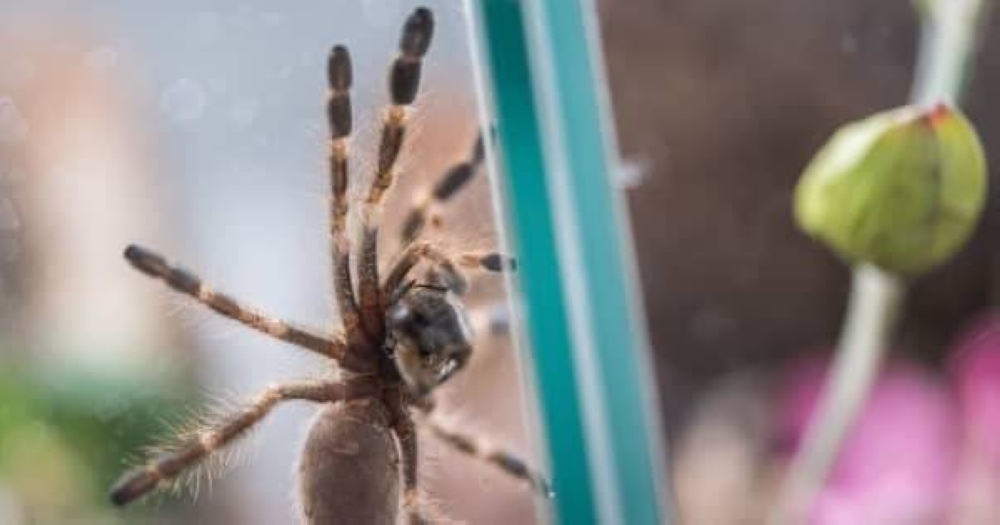
في حادثة غريبة أثارت دهشة السلطات الألمانية، أعلنت دائرة الجمارك في مطار كولونيا/بون ضبط نحو 1500 عنكبوت من نوع الحرير الذهبي (تارانتولا) مخبأة داخل حاويات بلاستيكية صغيرة، تم إخفاؤها بعناية في عبوات وُصفت على أنها تحتوي على كعك إسفنجي بالشوكولاتة، في شحنة قادمة من فيتنام بعد أن لفتت رائحة غريبة انتباه موظفي الجمارك.
ووفقاً للمتحدث باسم دائرة الجمارك في كولونيا، ينس أهلاند، فإن الشحنة التي بلغ وزنها نحو 7 كيلوغرامات أثارت الشكوك بسبب «رائحة مميزة» لم تكن مشابهة للبسكويت المعلن عنه، وعند التفتيش، تم العثور على مئات الحاويات البلاستيكية الصغيرة، كل منها تحتوي على عنكبوت تارانتولا صغير، قائلاً: «زملائي في المطار اعتادوا على مفاجآت من الشحنات المحظورة من جميع أنحاء العالم، لكن العثور على 1500 حاوية تحتوي على تارانتولا صغيرة أذهل حتى أكثرهم خبرة».
وأشار أهلاند إلى أن هذا الاكتشاف يُعد «ضبطاً استثنائياً»، لكنه أعرب عن أسفه لما تتعرض له الحيوانات من استغلال من أجل الربح، إذ لم تنج العديد من العناكب من الرحلة بسبب ظروف النقل القاسية، في انتهاك محتمل لقوانين الرفق بالحيوان الألمانية، وتم تسليم العناكب الناجية إلى خبير مختص للعناية بها، بينما بدأت السلطات تحقيقاً جنائياً ضد المستلم المقصود في منطقة زاورلاند شرق المطار، بتهم تشمل انتهاك قوانين الرفق بالحيوان وعدم دفع الرسوم الجمركية المطلوبة.
وأثارت الحادثة قلقاً واسعاً بشأن الاتجار غير القانوني بالحيوانات الغريبة، إذ يُعد هذا النوع من التجارة من الأنشطة غير القانونية الرئيسية عالمياً، إذ يدر ما يصل إلى 23 مليار دولار سنوياً، وتُظهر هذه الواقعة الأساليب المتطورة التي يستخدمها المهربون، مما يستدعي تعزيز الرقابة الجمركية والوعي العام حول مخاطر هذه التجارة على الحيوانات والبيئة.
وتُعد تجارة الحيوانات الغريبة غير القانونية واحدة من أكبر الأنشطة غير المشروعة عالمياً، إذ تحتل المرتبة الرابعة بعد تجارة المخدرات والأسلحة والتجارة بالبشر، وفقاً لتقرير صادر عن صندوق الحياة البرية العالمي في عام 2020، وتُدر هذه التجارة ما بين 7 إلى 23 مليار دولار سنوياً، مدفوعة بطلب متزايد على الحيوانات الغريبة كحيوانات أليفة، خصوصاً عبر الأسواق الإلكترونية ومنصات التواصل الاجتماعي.
ويعتبر عنكبوت الحرير الذهبي، أو تارانتولا، نوعاً من العناكب الكبيرة المشعرة المرغوبة في سوق الحيوانات الأليفة الغريبة بسبب مظهره الفريد وألوانه الجذابة، وغالباً ما يتم اصطياد هذه العناكب من بيئاتها الطبيعية في آسيا وأمريكا الجنوبية، مما يهدد التوازن البيئي ويعرضها لظروف نقل غير إنسانية.
In a strange incident that astonished German authorities, the customs office at Cologne/Bonn Airport announced the seizure of about 1,500 golden silk spiders (tarantulas) hidden inside small plastic containers, carefully concealed in packages described as containing chocolate sponge cakes, in a shipment coming from Vietnam after an unusual smell caught the attention of customs officials.
According to Jens Helland, a spokesperson for the customs office in Cologne, the shipment, weighing around 7 kilograms, raised suspicions due to a "distinctive smell" that was not similar to the advertised biscuits. Upon inspection, hundreds of small plastic containers were found, each containing a small tarantula. He stated, "My colleagues at the airport are used to surprises from prohibited shipments from all over the world, but finding 1,500 containers containing small tarantulas astonished even the most experienced among them."
Helland noted that this discovery is considered an "exceptional seizure," but he expressed regret over the exploitation of animals for profit, as many of the spiders did not survive the journey due to harsh transport conditions, potentially violating German animal welfare laws. The surviving spiders were handed over to a specialist for care, while authorities launched a criminal investigation against the intended recipient in the Sauerland area east of the airport, on charges including violating animal welfare laws and failing to pay the required customs fees.
The incident raised widespread concern about the illegal trade in exotic animals, as this type of trade is one of the main illegal activities globally, generating up to $23 billion annually. This case demonstrates the sophisticated methods used by traffickers, necessitating enhanced customs oversight and public awareness regarding the risks of this trade to animals and the environment.
The illegal trade in exotic animals is one of the largest illicit activities globally, ranking fourth after drug trafficking, arms trade, and human trafficking, according to a report by the World Wildlife Fund in 2020. This trade generates between $7 to $23 billion annually, driven by increasing demand for exotic animals as pets, particularly through online markets and social media platforms.
The golden silk spider, or tarantula, is a type of large, hairy spider that is sought after in the exotic pet market due to its unique appearance and attractive colors. These spiders are often captured from their natural habitats in Asia and South America, threatening ecological balance and exposing them to inhumane transport conditions.