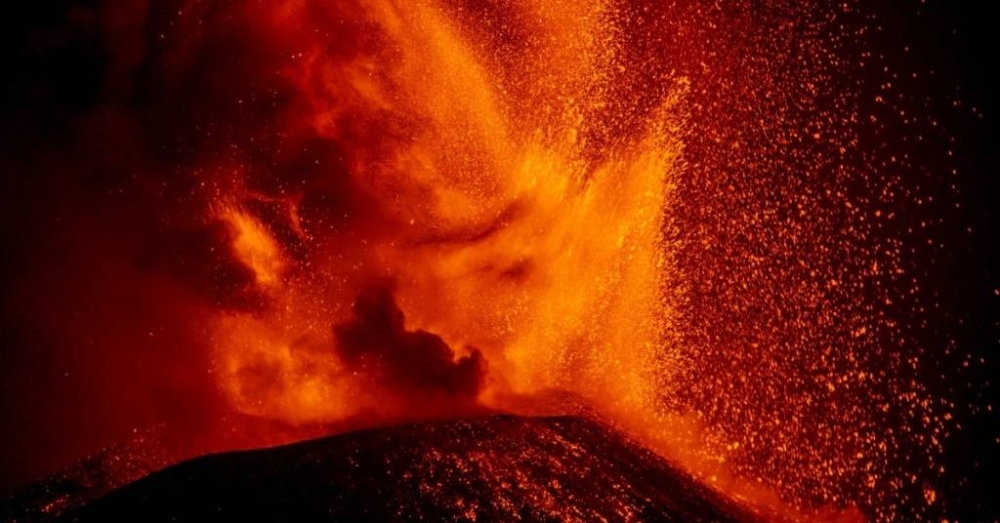
تحت أقدامنا- أسفل الصفائح التكتونية وغرف الصهارة- يقع هيكلان ضخمان متكتلان في الوشاح السفلي للأرض. يبلغ حجمهما حجم القارات، ويقعان على عمق 3,000 كيلومتر. ووفقاً لبحث جديد، قد يكونان السبب الخفي وراء أعنف الثورات البركانية في تاريخ كوكبنا.
يُطلق العلماء على التكوينات البركانية المختبئة تحت الأرض اسم «مقاطعات كبيرة منخفضة سرعة القص»، لكن هذا المصطلح يحمل سحراً يُضاهي كتب الجيولوجيا؛ لذا أطلق عليها الباحثون اسماً أكثر ملاءمة: «بلوبس»، وهو اختصار لـ «الهياكل القاعدية الكبيرة للوشاح السفلي». إنها ضخمة، ذات شكل غريب، ومثبتة عند قاعدة الوشاح، وقد يبدو الاسم جذاباً، لكن الانفجارات التي تُطلقها مختلفة تماماً.
وقالت عالمة البراكين أناليز كوتشيارو من جامعة ولونغونغ، التي أكد فريقها، أخيراً، أن هذه التكوينات في أعماق الأرض مرتبطة ارتباطاً وثيقاً بالأحداث البركانية على مستوى السطح: «تتحرك هذه الأعمدة مع مصدرها، أي الكتل البركانية». عندما ترتفع الصخور شديدة الحرارة - والتي تُسمى عمود الوشاح - من حافة الكتل البركانية، يمكن أن يؤدي ذلك إلى انفجار يهز الأرض، وهو ما ساهم في انقراض الديناصورات.
وقد تكون هذه الكتل البركانية الضخمة تحت الأرض مسؤولة عن أعنف ثورات بركانية على وجه الأرض، واستخدمت الدراسة، المنشورة في مجلة «كوميونيكيشنز إيرث آند إنفيرونمنت»، ثلاث مجموعات بيانات منفصلة لرسم خرائط للأحداث البركانية التي امتدت على مدار 300 مليون سنة. كما أجرى الفريق محاكاةً لمليارات السنين تُظهر كيف تحركت الكتل البركانية الضخمة (BLOBs) بمرور الوقت، وكيف تطابقت هذه الحركة مع مواقع الانفجارات البركانية الضخمة المعروفة. وأوضحت كوتشيارو أن مواقع الانفجارات البركانية العملاقة السابقة ترتبط ارتباطاً وثيقاً بأعمدة الوشاح التي تنبأت بها نماذج الفريق البحثي.
ولم يُكتشف العلماء سوى نقطتين فقط حتى الآن - إحداهما تحت أفريقيا والأخرى تحت المحيط الهادئ.
وهي ذات قمم متعرجة وغير منتظمة، كسلسلة جبال في قاع العالم، كما أنها ليست ثابتة في مكانها. تتحرك ببطء، جارفة معها أعمدة الصهارة كدمى جيولوجية.
ورغم أن هذه الانفجارات البركانية مُرعبة، إلا أنها وفقا للفريق البحثي قد تكون مُثمرة أيضًا، فالمناطق التي تُخلّفها غالبًا ما تكون غنية بالمعادن النادرة والماس ومواد أخرى قد تُسهم في تعزيز تحوّل الطاقة.
وتجيب هذه الدراسة العلمية عن أحد الأسئلة التي لطالما حيرت العلماء. وقد يُفسر أيضًا لماذا يُقرر الكوكب أحيانًا إعادة ضبط الأمور بعنف، من الداخل إلى الخارج.
Under our feet—beneath the tectonic plates and magma chambers—lie two massive structures clustered in the Earth's lower mantle. They are as large as continents and located 3,000 kilometers deep. According to new research, they may be the hidden cause behind the most violent volcanic eruptions in the history of our planet.
Scientists refer to the volcanic formations hidden underground as "large low shear velocity provinces," but this term carries a charm that rivals geology textbooks; hence, researchers have given them a more fitting name: "blobs," which is short for "large low shear velocity structures." They are enormous, oddly shaped, and anchored at the base of the mantle. While the name may sound appealing, the eruptions they unleash are entirely different.
Volcanologist Analis Cuchiaro from the University of Wollongong stated that her team has recently confirmed that these formations deep within the Earth are closely linked to surface-level volcanic events: "These columns move with their source, which are the volcanic blobs." When superheated rocks—known as the mantle plume—rise from the edge of the volcanic blobs, it can lead to an explosion that shakes the Earth, contributing to the extinction of the dinosaurs.
These massive underground volcanic blobs may be responsible for the most intense volcanic eruptions on Earth. The study, published in the journal Communications Earth & Environment, utilized three separate datasets to map volcanic events spanning 300 million years. The team also conducted simulations over billions of years to show how the massive blobs have moved over time and how this movement aligns with the locations of known massive volcanic eruptions. Cuchiaro explained that the sites of previous giant volcanic eruptions are closely associated with the mantle plumes predicted by the research team's models.
Scientists have only discovered two points so far—one beneath Africa and the other beneath the Pacific Ocean.
They have jagged, irregular peaks, like a mountain range at the bottom of the world, and they are not stationary. They move slowly, dragging along magma columns like geological puppets.
Although these volcanic eruptions are terrifying, according to the research team, they may also be fruitful, as the areas they leave behind are often rich in rare minerals, diamonds, and other materials that could contribute to energy transformation.
This scientific study answers one of the questions that have long puzzled scientists. It may also explain why the planet sometimes decides to reset things violently, from the inside out.