


حين تتأمل تحوّلات الأغنية الخليجية في العقدين الأخيرين، لا يمكنك المرور دون أن تتوقف طويلاً عند بصمة شاعرٍ شابٍ كتب بروحٍ أكبر من عمره، ونبضٍ يتقد كمن يكتب للمرة الأولى والأخيرة في كل نص. إنه عبدالله أبو راس، الشاعر الذي لم يكن ينسج القصائد بقدر ما كان ينفخ فيها الحياة، ثم يتركها تبحر على ألسنة الأصوات.
هو ليس شاعراً ظهر ثم اختفى، بل ركيزة جمالية في قلب الأغنية السعودية الحديثة؛ مَنحها لغتها الجديدة، وجعلها أقرب إلى الشارع، وأصدق في التعبير، وأكثر التصاقاً بالمزاج العاطفي لجيلٍ جديد.
عبدالله أبو راس، لم يكن تابعاً لمدرسة سابقة، بل صاغ مدرسته الخاصة. كتب عن الحب لا كمقامٍ عابر، بل كحالة مشروطة بالنضج والخذلان والفرح المؤقت. كتب للوطن، لا كواجب، بل كنداء داخلي. كتب للحبيبة، لا من برج عاجي، بل من نفس الرصيف.
رحل باكراً، لكن أعماله بقيت تتردّد في ذاكرة المستمع الخليجي والعربي: من «أيام السراب» التي غناها راشد الماجد، إلى «قالوا الحب أعمى» بصوت رابح صقر، إلى «أبشرك حنا بخير» لماجد المهندس، و«لبيه يا الحد الجنوبي»، و«سحرني حلاها»، التي تجلّت فيها لغته العاطفية المتوهجة.
وفي 2022، جاءه المرض كضيف ثقيل، لم يمهله طويلاً، فغادر بصمت موجع في ذروة عطائه. كان رحيله صدمة فنية مؤلمة، لا لأنه غادر، بل لأنه غادر باكراً، قبل أن تشبع الأغنية الخليجية من لغته، وقبل أن يكمل مشروعه الذي كان يتشكل بأناقة وتفرّد.
عبدالله أبو راس، لم يكن شاعر مرحلة، بل شاعر تحوّل. رحل جسداً، وبقي أثره يردّد: إن بعض الشعراء لا يطيلون البقاء... لأنهم كتبوا كل ما كان ينبغي أن يُقال.
#بروفايل
عبدالله أبو راس.. الشاعر الذي دوزن الأغنية الحديثة.. ورحل باكراً
15 يوليو 2025 - 02:54
|
آخر تحديث 15 يوليو 2025 - 17:41
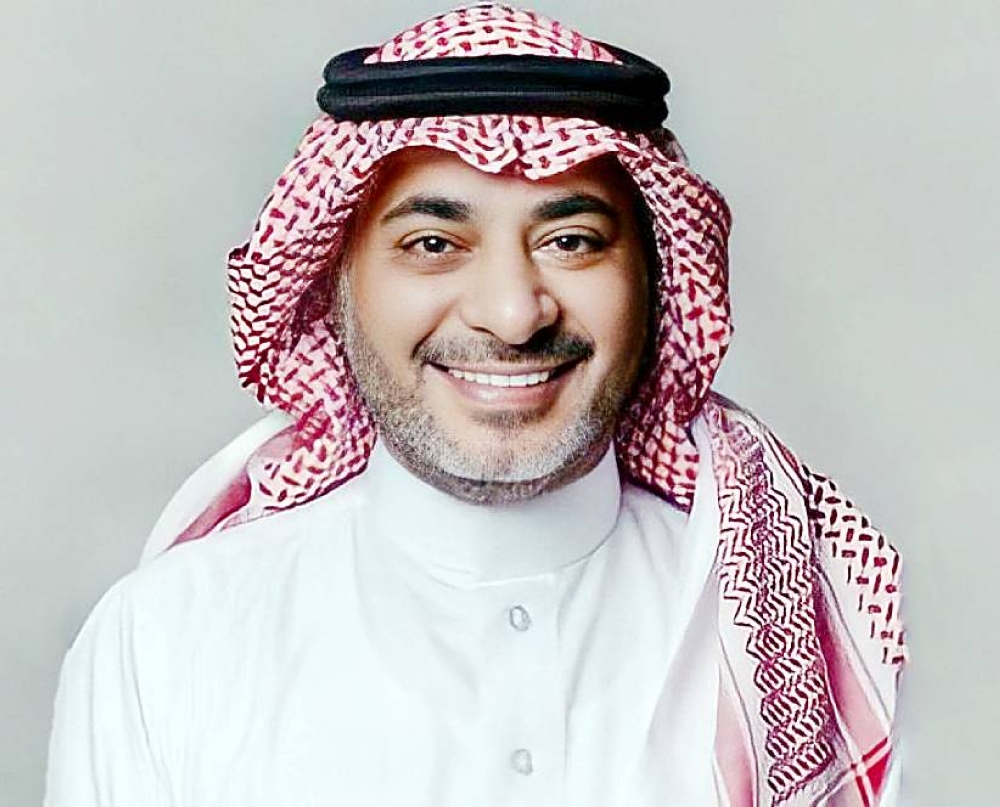
عبدالله أبو راس.


تابع قناة عكاظ على الواتساب
«عكاظ» (جدة) OKAZ_online@
When you contemplate the transformations of Gulf music in the last two decades, you cannot pass by without stopping for a long time at the imprint of a young poet who wrote with a spirit greater than his age, and a pulse that burns as if he were writing for the first and last time in every text. He is Abdullah Abu Ras, the poet who did not weave poems as much as he breathed life into them, then let them sail on the tongues of voices.
He is not a poet who appeared and then disappeared, but a aesthetic pillar in the heart of modern Saudi music; he gave it a new language, made it closer to the street, more sincere in expression, and more connected to the emotional mood of a new generation.
Abdullah Abu Ras did not follow a previous school, but rather crafted his own. He wrote about love not as a fleeting state, but as a condition bound by maturity, disappointment, and temporary joy. He wrote for the homeland, not as a duty, but as an inner call. He wrote for the beloved, not from an ivory tower, but from the same sidewalk.
He left us early, but his works continue to resonate in the memory of the Gulf and Arab listener: from "Days of Mirage," sung by Rashid Al-Majed, to "They Said Love is Blind" by Rabih Saqr, to "I Bring You Good News" by Majid Al-Muhandis, and "Labeih Ya Al-Had Al-Janubi," and "Her Beauty Enchanted Me," in which his glowing emotional language was manifested.
In 2022, illness came to him as a heavy guest, not giving him much time, and he departed silently, painfully, at the peak of his creativity. His departure was a painful artistic shock, not because he left, but because he left too early, before Gulf music could fully absorb his language, and before he could complete his project that was taking shape with elegance and uniqueness.
Abdullah Abu Ras was not a poet of a phase, but a poet of transformation. He departed in body, but his impact continues to echo: some poets do not linger... because they wrote everything that needed to be said.
He is not a poet who appeared and then disappeared, but a aesthetic pillar in the heart of modern Saudi music; he gave it a new language, made it closer to the street, more sincere in expression, and more connected to the emotional mood of a new generation.
Abdullah Abu Ras did not follow a previous school, but rather crafted his own. He wrote about love not as a fleeting state, but as a condition bound by maturity, disappointment, and temporary joy. He wrote for the homeland, not as a duty, but as an inner call. He wrote for the beloved, not from an ivory tower, but from the same sidewalk.
He left us early, but his works continue to resonate in the memory of the Gulf and Arab listener: from "Days of Mirage," sung by Rashid Al-Majed, to "They Said Love is Blind" by Rabih Saqr, to "I Bring You Good News" by Majid Al-Muhandis, and "Labeih Ya Al-Had Al-Janubi," and "Her Beauty Enchanted Me," in which his glowing emotional language was manifested.
In 2022, illness came to him as a heavy guest, not giving him much time, and he departed silently, painfully, at the peak of his creativity. His departure was a painful artistic shock, not because he left, but because he left too early, before Gulf music could fully absorb his language, and before he could complete his project that was taking shape with elegance and uniqueness.
Abdullah Abu Ras was not a poet of a phase, but a poet of transformation. He departed in body, but his impact continues to echo: some poets do not linger... because they wrote everything that needed to be said.


