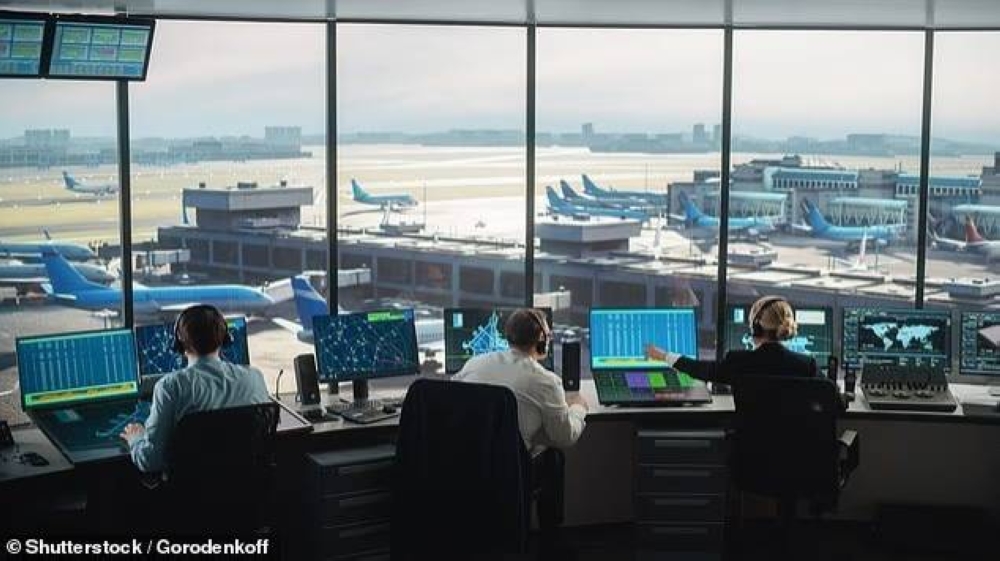
يواجه المسافرون البريطانيون تأخيرات قياسية في رحلاتهم الجوية هذا الصيف بسبب إضرابات مراقبي الحركة الجوية في فرنسا، وفقاً لما أعلنه قادة شركات الطيران ومسؤولون في الاتحاد الأوروبي.
وشهدت بداية يوليو 2025 إلغاء أكثر من 4,000 رحلة جوية وتأخير أكثر من 7,000 أخرى، ما أثر على أكثر من مليون مسافر، وتكبدت صناعة الطيران خسائر تقدر بنحو 86 مليون جنيه إسترليني (ما يعادل نحو 120 مليون يورو).
بدأت الإضرابات في 2 يوليو واستمرت لمدة 4 أيام، ما تسبب في اضطرابات واسعة النطاق في المطارات الفرنسية، خصوصاً في باريس ونيس.
ونظراً إلى أن أكثر من 70% من الرحلات قصيرة المدى من وإلى المملكة المتحدة تعبر الأجواء الفرنسية، فقد امتدت التأثيرات إلى وجهات سياحية شهيرة مثل إسبانيا وإيطاليا واليونان وكرواتيا.
وألغت شركة «رايان إير» 718 رحلة، بينما ألغت «إيزي جيت» 274 رحلة خلال اليومين الأولين من الإضراب، ما أثر على عشرات الآلاف من المسافرين.
وأرجعت المديرة التجارية لشركة «إيزي جيت» صوفي ديكرز التأخيرات إلى نقص الموارد البشرية وسوء تخطيط الأجواء في فرنسا، مشيرة إلى أن السلطات الفرنسية تفتقر إلى عدد كافٍ من المراقبين الجويين للتعامل مع حجم الحركة الجوية.
وأضافت أن إغلاق نحو 20% من الأجواء الأوروبية، خصوصاً بالقرب من أوكرانيا بسبب التوترات الجيوسياسية، زاد من الضغط على الأجواء الفرنسية.
وأفادت هيئة «يوروكنترول»، المسؤولة عن إدارة الأجواء الأوروبية، بأنها تتوقع زيادة بنسبة 5% في عدد الرحلات مقارنة بالصيف الماضي، ما يفاقم مشكلة نقص القدرة على استيعاب الطلب.
فيما انتقد الرئيس التنفيذي لشركة «رايان إير» مايكل أوليري المسؤولين الأوروبيين لعدم تدخلهم لمنع الإضرابات من تعطيل السفر الدولي، واصفاً الإضرابات بأنها ترفيهية وغير مبررة.
وطالب أوليري الاتحاد الأوروبي بحماية الرحلات التي تعبر الأجواء الفرنسية دون هبوط أو إقلاع في فرنسا، مشيراً إلى أن 90% من إلغاءات «رايان إير» كان يمكن تجنبها لو تم تطبيق هذا الإجراء.
كما دعت «إيزي جيت» إلى إيجاد حلول طويلة الأمد، مؤكدة أن 49% من تأخيراتها هذا الصيف ناتجة عن مشكلات مراقبة الحركة الجوية، وهو رقم يفوق 3 أضعاف ما كان عليه العام الماضي.
وحذر مسؤول أوروبي كبير من أن صيف 2025 قد يشهد تأخيرات وإلغاءات قياسية، مشيراً إلى أن 37 ألف رحلة يومية تمثل الحد الأقصى لقدرة الأجواء الأوروبية في الأيام الأكثر ازدحاماً.
وأكدت «يوروكنترول» أن نقص القدرة على التعامل مع الطلب سيؤدي إلى تأخيرات كبيرة، خصوصاً مع الازدحام المتزايد في المطارات مثل هيثرو وجاتويك في لندن.
وأشارت إلى أن الإضرابات التي نفذتها نقابتان فرنسيتان، بما في ذلك نقابة UNSA-ICNA، جاءت احتجاجاً على نقص التوظيف، ومعدات عتيقة، وممارسات إدارية سامة.
وتُعد إضرابات مراقبي الحركة الجوية في فرنسا ظاهرة متكررة، حيث تتسبب في اضطرابات كبيرة بسبب الموقع المركزي لفرنسا في شبكة الطيران الأوروبية.
وتزايدت هذه المشكلة بعد جائحة كوفيد-19، مع نقص حاد في عدد المراقبين الجويين، حيث تشير تقديرات إلى أن فرنسا تعاني من نقص بنسبة 20-25% في الموظفين.
كما أن إغلاق الأجواء بالقرب من أوكرانيا أدى إلى تحويل المزيد من الرحلات عبر الأجواء الفرنسية، ما زاد من الضغط على النظام.
ويطالب قادة شركات الطيران، مثل أوليري، بإصلاحات جذرية في مشروع «السماء الأوروبية الموحدة» لتقليل الانحرافات في المسارات وزيادة كفاءة إدارة الأجواء.
British travelers are facing record delays in their flights this summer due to air traffic controller strikes in France, according to airline leaders and EU officials.
At the beginning of July 2025, more than 4,000 flights were canceled and over 7,000 others were delayed, affecting more than a million travelers, with the aviation industry incurring losses estimated at around £86 million (approximately €120 million).
The strikes began on July 2 and lasted for 4 days, causing widespread disruptions at French airports, particularly in Paris and Nice.
Since over 70% of short-haul flights to and from the UK pass through French airspace, the impacts extended to popular tourist destinations such as Spain, Italy, Greece, and Croatia.
Ryanair canceled 718 flights, while easyJet canceled 274 flights during the first two days of the strike, affecting tens of thousands of travelers.
EasyJet's commercial director, Sophie Dekkers, attributed the delays to a lack of human resources and poor airspace planning in France, noting that French authorities lack enough air traffic controllers to handle the volume of air traffic.
She added that the closure of about 20% of European airspace, particularly near Ukraine due to geopolitical tensions, increased pressure on French airspace.
Eurocontrol, the agency responsible for managing European airspace, reported that it expects a 5% increase in the number of flights compared to last summer, exacerbating the problem of capacity to meet demand.
Meanwhile, Ryanair CEO Michael O'Leary criticized European officials for failing to intervene to prevent strikes from disrupting international travel, describing the strikes as recreational and unjustified.
O'Leary called on the EU to protect flights passing through French airspace without landing or taking off in France, stating that 90% of Ryanair's cancellations could have been avoided if this measure had been implemented.
EasyJet also called for long-term solutions, emphasizing that 49% of its delays this summer are due to air traffic control issues, a figure more than three times what it was last year.
A senior European official warned that the summer of 2025 could see record delays and cancellations, noting that 37,000 daily flights represent the maximum capacity of European airspace on the busiest days.
Eurocontrol confirmed that the lack of capacity to handle demand will lead to significant delays, especially with increasing congestion at airports like Heathrow and Gatwick in London.
It noted that the strikes carried out by two French unions, including the UNSA-ICNA union, were in protest against staffing shortages, outdated equipment, and toxic management practices.
Air traffic controller strikes in France are a recurring phenomenon, causing significant disruptions due to France's central location in the European aviation network.
This issue has intensified since the COVID-19 pandemic, with a severe shortage of air traffic controllers, with estimates suggesting that France is facing a 20-25% shortfall in staff.
Additionally, the closure of airspace near Ukraine has led to more flights being diverted through French airspace, further increasing pressure on the system.
Airline leaders, like O'Leary, are calling for radical reforms in the "Single European Sky" project to reduce route deviations and enhance airspace management efficiency.