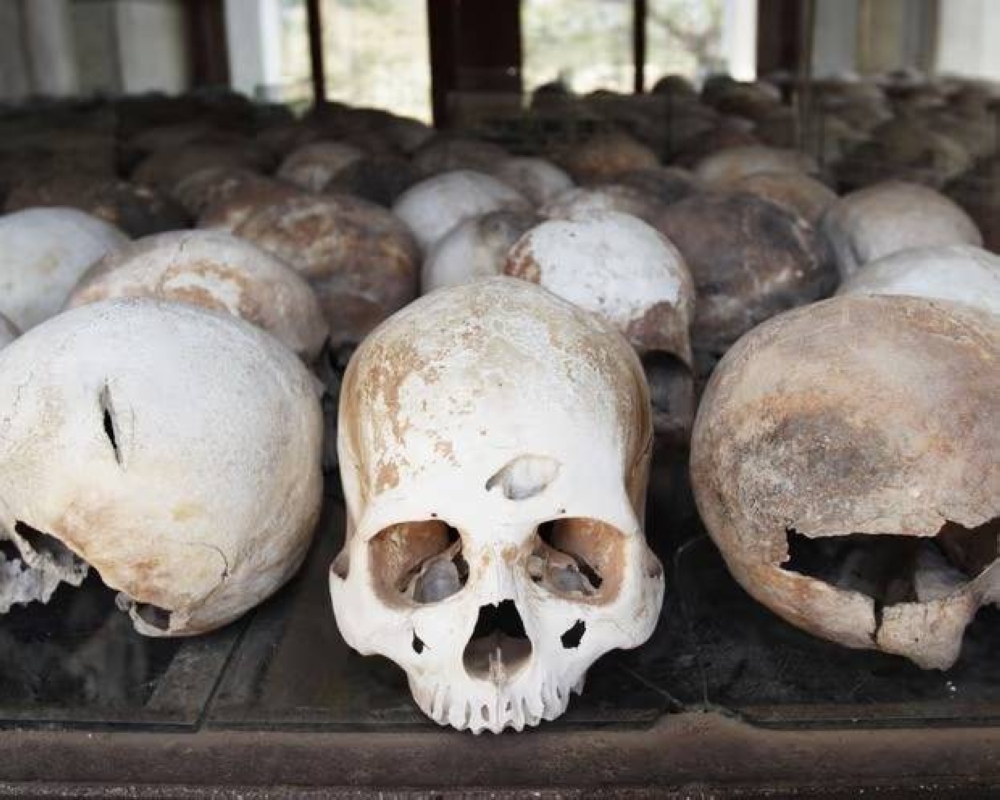
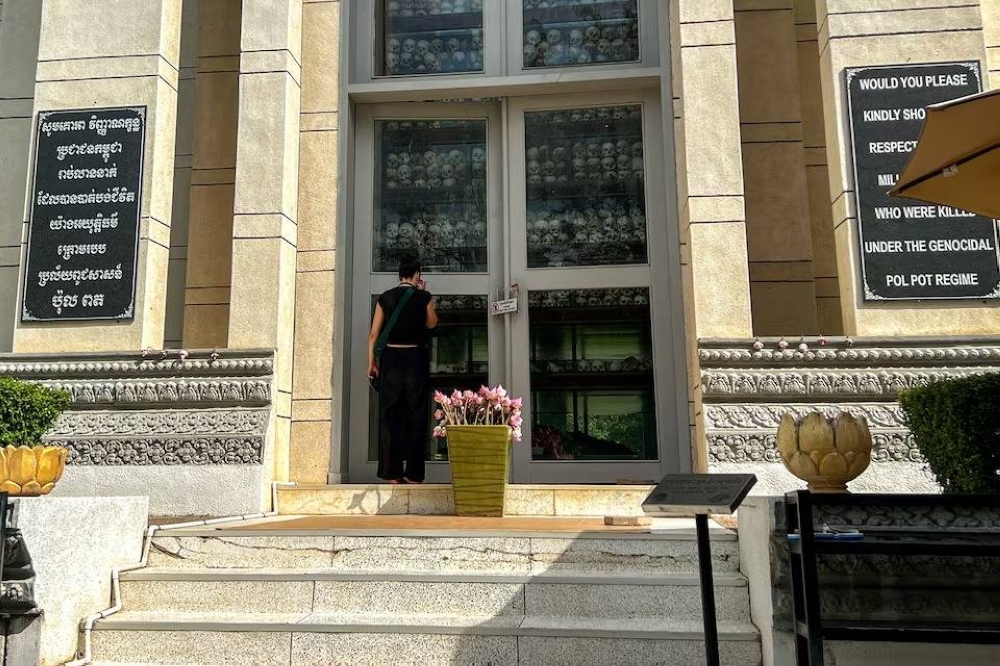
أدرجت منظمة اليونسكو ثلاثة مواقع استخدمها نظام الخمير الحمر الوحشي في كمبوديا للتعذيب والإعدام قبل 50 عاماً، ضمن قائمة التراث العالمي، وذلك خلال الدورة السابعة والأربعين للجنة التراث العالمي في باريس.
يتزامن هذا الإدراج مع الذكرى الخمسين لاستيلاء حكومة الخمير الحمر الشيوعية على السلطة عام 1975، والتي تسببت في مقتل نحو 1.7 مليون كمبودي بسبب الجوع والتعذيب والإعدامات الجماعية خلال حكمها الممتد حتى 1979.
تشمل المواقع الثلاثة سجنين سيئي السمعة وموقع إعدام، اشتهر أحدها في فيلم هوليوود «حقول القتل» (The Killing Fields).
يقع متحف تول سلينغ للإبادة الجماعية في العاصمة بنوم بنه، وهو مدرسة ثانوية سابقة حولها الخمير الحمر إلى سجن مروع يعرف بـ«S-21»، حيث تم احتجاز وتعذيب نحو 15 ألف شخص.
أما سجن M-13 في مقاطعة كامبونغ تشنانغ الريفية بوسط كمبوديا، فكان أحد السجون الرئيسية في بدايات حكم الخمير الحمر.
ويقع موقع تشويونغ إيك، على بعد 15 كيلومتراً جنوب العاصمة، واستخدم كموقع للإعدام والمقابر الجماعية، وهو محور فيلم «حقول القتل» لعام 1984، المستند إلى تجارب المصور الصحفي بنيويورك تايمز ديث بران والمراسل سيدني شانبيرغ.
في 17 أبريل 1975، سيطر الخمير الحمر على بنوم بنه، ونقلوا سكان المدينة قسراً إلى الريف للعمل في ظروف قاسية حتى عام 1979، عندما أطاحت بهم قوات فيتنامية.
وأصدر رئيس وزراء كمبوديا هون مانيت رسالة دعا فيها إلى قرع الطبول في جميع أنحاء البلاد صباح الأحد للاحتفال بإدراج المواقع في قائمة اليونسكو، مؤكداً في رسالة مصورة: ليكن هذا الإدراج تذكيراً دائماً بأن السلام يجب أن يُدافع عنه دائماً، من أحلك فصول التاريخ، يمكننا استلهام القوة لبناء مستقبل أفضل للبشرية.
قال يوك تشانغ، المدير التنفيذي لمركز توثيق كمبوديا في بنوم بنه، إن البلاد لا تزال تتصارع مع إرث الإبادة الجماعية والتعذيب والفظائع الجماعية، لكنه أشار إلى أن إدراج هذه المواقع سيسهم في تثقيف الأجيال الشابة في كمبوديا وجميع أنحاء العالم.
وأضاف: على الرغم من أنها كانت مسرحاً للعنف، إلا أنها ستساعد في التئام الجراح التي لم تندمل بعد من تلك الحقبة.
The UNESCO organization has included three sites used by the Khmer Rouge regime in Cambodia for torture and execution 50 years ago in the World Heritage List, during the 47th session of the World Heritage Committee in Paris.
This inclusion coincides with the fiftieth anniversary of the communist Khmer Rouge government's takeover in 1975, which led to the deaths of around 1.7 million Cambodians due to starvation, torture, and mass executions during its rule until 1979.
The three sites include two notorious prisons and an execution site, one of which is famous from the Hollywood film "The Killing Fields."
The Tuol Sleng Genocide Museum, located in the capital Phnom Penh, is a former high school that the Khmer Rouge transformed into a horrific prison known as "S-21," where approximately 15,000 people were detained and tortured.
The M-13 prison in the rural Kampong Chhnang province of central Cambodia was one of the main prisons in the early days of the Khmer Rouge regime.
The Choeung Ek site, located 15 kilometers south of the capital, was used as an execution site and mass graves, and is the focus of the 1984 film "The Killing Fields," based on the experiences of New York Times photographer Dith Pran and reporter Sydney Schanberg.
On April 17, 1975, the Khmer Rouge took control of Phnom Penh and forcibly relocated the city's residents to the countryside to work under harsh conditions until 1979, when they were overthrown by Vietnamese forces.
The Prime Minister of Cambodia, Hun Manet, issued a message calling for drums to be beaten across the country on Sunday morning to celebrate the inclusion of the sites in the UNESCO list, emphasizing in a video message: Let this inclusion be a constant reminder that peace must always be defended; from the darkest chapters of history, we can draw strength to build a better future for humanity.
Yok Chang, the executive director of the Documentation Center of Cambodia in Phnom Penh, stated that the country still grapples with the legacy of genocide, torture, and mass atrocities, but noted that the inclusion of these sites will contribute to educating the younger generations in Cambodia and around the world.
He added: Although it was a theater of violence, it will help heal the wounds that have yet to heal from that era.