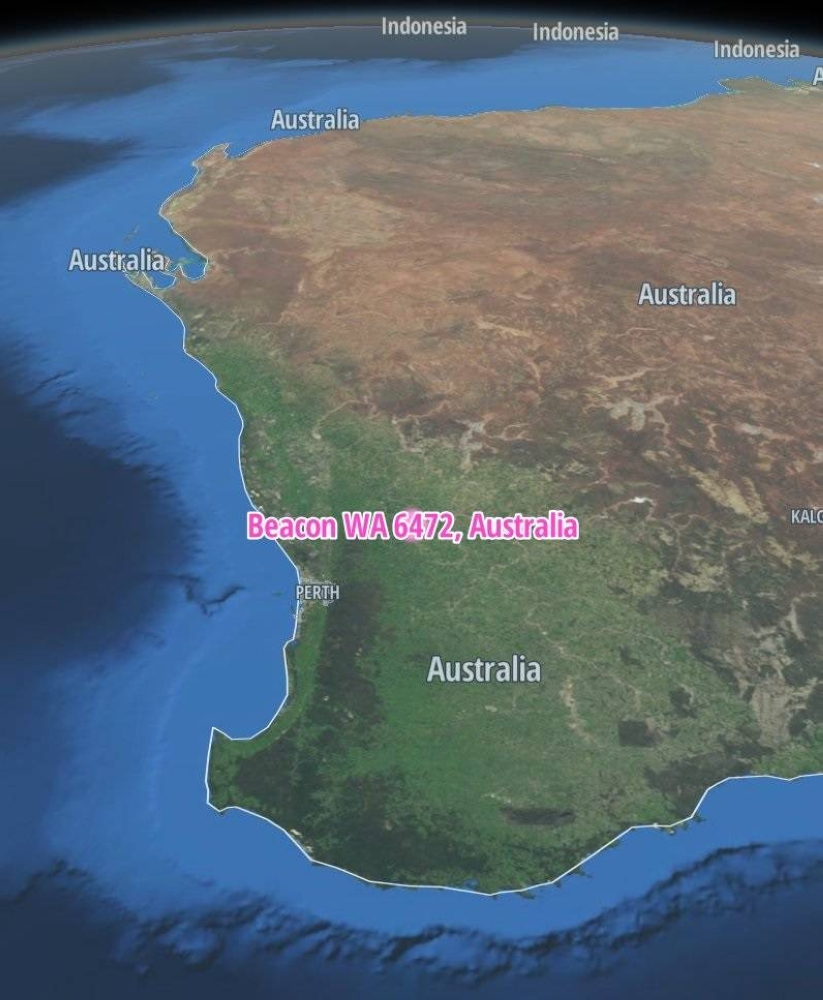
في حدث يُشبه المعجزات، عُثر على السائحة الألمانية كارولينا فيلغا، البالغة من العمر 26 عامًا، على قيد الحياة بعد أن تاهت لمدة 12 يومًا في منطقة نائية وغابية بولاية غرب أستراليا، حيث كانت في رحلة استكشافية منفردة، في منطقة الأدغال القاسية بالقرب من بلدة إكسماوث، وسط ظروف مناخية صعبة وطبيعة برية معادية.
وكانت كارولينا فيلغا، وهي من مدينة ميونيخ الألمانية، قد بدأت رحلتها السياحية في أستراليا قبل أسابيع، بهدف استكشاف المناطق الطبيعية الخلابة في غرب أستراليا، وخلال تجوالها في منطقة نائية بالقرب من خليج نينغالو، وهي منطقة معروفة بتضاريسها الوعرة وغاباتها الكثيفة، فقدت كارولينا طريقها أثناء محاولتها الوصول إلى نقطة مراقبة شهيرة.
وفي ظل درجات حرارة مرتفعة تصل إلى 38 درجة مئوية، وقلة مصادر المياه، ووجود حيوانات برية مثل الدينغو والثعابين السامة، كانت فرص بقائها على قيد الحياة ضئيلة، ووفقًا للسلطات المحلية، أطلقت شرطة غرب أستراليا عملية بحث واسعة النطاق بعد أن أبلغ أحد السكان المحليين عن غياب كارولينا، حيث كانت آخر مرة شوهدت فيها قرب منتزه كيب رينج الوطني.
وشاركت في العملية طائرات هليكوبتر، طائرات مسيرة، وفرق من رجال الإنقاذ المدربين، بالإضافة إلى متطوعين من السكان المحليين، وبعد 12 يومًا من البحث المضني، عثرت إحدى الفرق على كارولينا بالقرب من جدول ماء صغير، تعاني من الجفاف وإرهاق شديد ولكنها لا تزال على قيد الحياة.
وأفادت التقارير أن كارولينا تمكنت من البقاء على قيد الحياة بشرب مياه الأمطار المتجمعة في بعض التجاويف الصخرية، وتناول بعض النباتات الصالحة للأكل التي تعلمت عنها من خلال خبرتها في رحلات التخييم السابقة، كما استخدمت ملابسها لصنع مأوى بدائي لحمايتها من الشمس الحارقة والليالي الباردة.
وتُعد غرب أستراليا واحدة من أكثر المناطق وعورة وتنوعًا بيئيًا في العالم، حيث تضم غابات كثيفة، صحاري شاسعة، وتضاريس صخرية تجعل التنقل فيها تحديًا كبيرًا، وفي السنوات الأخيرة، شهدت المنطقة زيادة في عدد السياح الباحثين عن المغامرات في الطبيعة، مما أدى إلى حوادث مشابهة، حيث تاه العديد من الأشخاص بسبب نقص الإعداد أو التقليل من شأن التحديات البيئية.
وتشير الإحصاءات إلى أن عمليات البحث والإنقاذ في أستراليا تكلف ملايين الدولارات سنويًا، حيث تُجرى حوالى 1000 عملية إنقاذ في المناطق النائية كل عام، وفقًا لتقارير هيئة السلامة الأسترالية، كما أن الظروف المناخية القاسية، مثل موجات الحر والجفاف، تزيد من مخاطر مثل هذه الحوادث. في حالة كارولينا، أشادت السلطات بخبرتها الأساسية في البقاء في البرية، والتي لعبت دورًا حاسمًا في نجاتها.
In a miraculous event, the 26-year-old German tourist Carolina Vilga was found alive after being lost for 12 days in a remote and forested area of Western Australia, where she was on a solo exploratory trip in the harsh jungle near the town of Exmouth, amid difficult weather conditions and hostile wilderness.
Carolina Vilga, from Munich, Germany, had started her tourist journey in Australia weeks ago, aiming to explore the stunning natural areas of Western Australia. While wandering in a remote area near Ningaloo Bay, known for its rugged terrain and dense forests, Carolina lost her way while trying to reach a famous lookout point.
With temperatures soaring to 38 degrees Celsius, a scarcity of water sources, and the presence of wildlife such as dingoes and venomous snakes, her chances of survival were slim. According to local authorities, the Western Australia Police launched a large-scale search operation after a local resident reported Carolina's absence, as she was last seen near Cape Range National Park.
The operation involved helicopters, drones, and teams of trained rescue personnel, along with volunteers from the local community. After 12 days of arduous searching, one of the teams found Carolina near a small stream, suffering from dehydration and severe exhaustion but still alive.
Reports indicate that Carolina managed to survive by drinking rainwater collected in some rock cavities and eating some edible plants she learned about from her previous camping experiences. She also used her clothing to create a makeshift shelter to protect herself from the scorching sun and cold nights.
Western Australia is considered one of the most rugged and ecologically diverse regions in the world, featuring dense forests, vast deserts, and rocky terrains that make navigation a significant challenge. In recent years, the area has seen an increase in the number of tourists seeking adventure in nature, leading to similar incidents, as many people have gotten lost due to a lack of preparation or underestimating environmental challenges.
Statistics indicate that search and rescue operations in Australia cost millions of dollars annually, with about 1,000 rescues conducted in remote areas each year, according to reports from the Australian Safety Authority. Additionally, harsh weather conditions, such as heatwaves and droughts, increase the risks of such incidents. In Carolina's case, authorities praised her fundamental survival skills, which played a crucial role in her rescue.