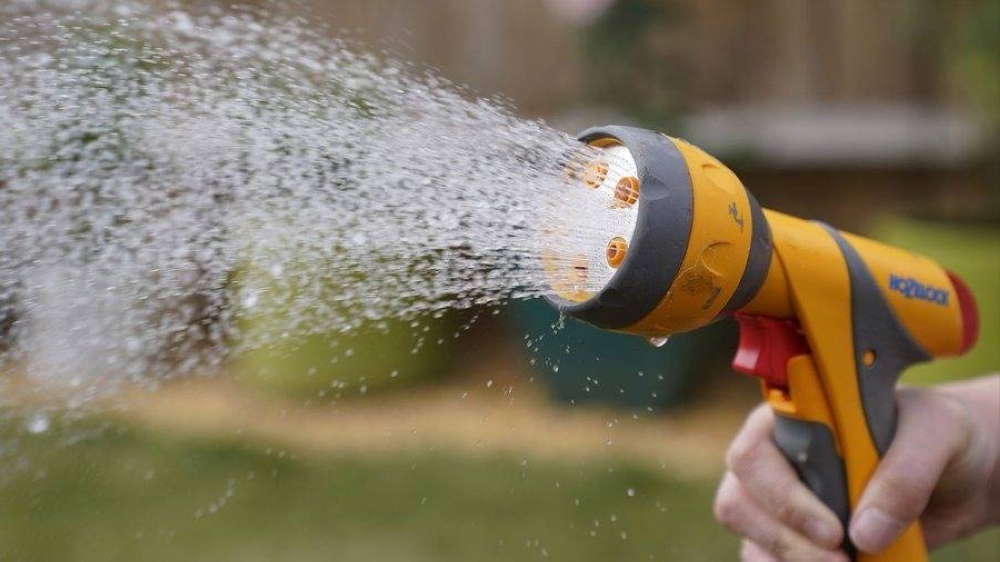
بدأت السلطات في إنجلترا، اليوم الجمعة، تطبيق حظر مؤقت على استخدام خراطيم المياه في مناطق متعددة، بما في ذلك مقاطعتي كينت وساسكس، لمواجهة أزمة جفاف غير مسبوقة تشهدها البلاد، مما يؤثر على أكثر من مليون منزل في هاتين المقاطعتين وحوالى 5.7 مليون عميل في مناطق أخرى مثل يوركشاير، ويأتي ذلك استجابة لظروف مناخية قاسية وانخفاض حاد في إمدادات المياه بسبب أشد موجات الجفاف في الربيع منذ العصر الفيكتوري (1893).
وأعلنت شركتا «ساوث إيست ووتر» و«يوركشاير ووتر» عن فرض قيود صارمة على استخدام خراطيم المياه لأغراض مثل ري الحدائق، غسل السيارات، تنظيف النوافذ، وملء أحواض السباحة، وهو الإجراء الذي يهدف إلى الحفاظ على إمدادات مياه الشرب في ظل ارتفاع الطلب القياسي وانخفاض مستويات المياه في الخزانات والأنهار، حيث تشهد المناطق المتضررة، خاصة كينت وساسكس، نقصًا حادًا في المياه بعد موسم ربيع جاف بشكل استثنائي.
وتفرض السلطات غرامات تصل إلى 1000 جنيه إسترليني على المخالفين، لكن الشركات تأمل أن يلتزم السكان طوعًا بهذه القيود لتجنب تفاقم الأزمة، وأشارت وكالة الأمن الصحي البريطانية إلى إصدار تنبيه صحي باللون الأصفر حتى 15 يوليو، محذرة من مخاطر ارتفاع درجات الحرارة، التي قد تصل إلى 33 درجة مئوية في وسط وجنوب إنجلترا، خاصة على كبار السن والمصابين بأمراض مزمنة.
وتعاني بريطانيا منذ سنوات من ضغوط متزايدة على مواردها المائية، رغم سمعتها كدولة غزيرة الأمطار، وفي السنوات الأخيرة، شهدت إنجلترا موجات جفاف متكررة، كان آخرها في صيف 2022، حيث تم تسجيل أعلى درجة حرارة في تاريخ البلاد (40.3 درجة مئوية)، ووفقًا لوكالة البيئة البريطانية، كانت 11 من أصل 14 منطقة في إنجلترا في حالة جفاف العام الماضي، وهذا العام، أدى انخفاض هطول الأمطار إلى تدني منسوب المياه في الأنهار والخزانات، مما دفع شركات المياه إلى اتخاذ إجراءات عاجلة.
وتُعد مشكلة التسربات في شبكات المياه أحد التحديات الرئيسية، حيث تعاني شركات مثل «ساوث إيست ووتر» من هدر كبير للمياه بسبب بنية تحتية قديمة، بالإضافة إلى ذلك، تسعى شركات المياه إلى ابتكار حلول طويلة الأمد، مثل إعادة تدوير مياه الصرف الصحي لتصبح صالحة للشرب، وهو نظام يُستخدم بالفعل في ولاية كاليفورنيا الأمريكية.
The authorities in England began implementing a temporary ban on the use of hoses in multiple areas today, Friday, including the counties of Kent and Sussex, to address an unprecedented drought crisis affecting the country, impacting more than a million homes in these counties and around 5.7 million customers in other areas such as Yorkshire. This comes in response to harsh climatic conditions and a sharp decline in water supplies due to the driest spring since the Victorian era (1893).
South East Water and Yorkshire Water announced strict restrictions on the use of hoses for purposes such as watering gardens, washing cars, cleaning windows, and filling swimming pools. This measure aims to conserve drinking water supplies amid record-high demand and declining water levels in reservoirs and rivers, as the affected areas, especially Kent and Sussex, are experiencing a severe water shortage following an exceptionally dry spring.
The authorities are imposing fines of up to £1,000 on violators, but companies hope that residents will voluntarily comply with these restrictions to avoid exacerbating the crisis. The UK Health Security Agency has issued a yellow health alert until July 15, warning of the risks of rising temperatures, which may reach 33 degrees Celsius in central and southern England, particularly for the elderly and those with chronic illnesses.
Britain has been facing increasing pressure on its water resources for years, despite its reputation as a rainy country. In recent years, England has experienced recurring droughts, the latest being in the summer of 2022, when the highest temperature in the country's history (40.3 degrees Celsius) was recorded. According to the UK Environment Agency, 11 out of 14 regions in England were in a state of drought last year. This year, reduced rainfall has led to lower water levels in rivers and reservoirs, prompting water companies to take urgent action.
The issue of leaks in water networks is one of the main challenges, as companies like South East Water suffer from significant water wastage due to aging infrastructure. Additionally, water companies are seeking to innovate long-term solutions, such as recycling wastewater to make it drinkable, a system already in use in the state of California in the USA.