طور باحثون في جامعة شيكاغو الأمريكية اختباراً جديداً للدم يكشف عن سرطان القولون والمستقيم في مراحله المبكرة، بدقة تصل نتيجتها إلى 95%.
وذكرت دراسة نشرت في مجلة «Nature Biotechnology»، أن الاختبار يعتمد على استخدام الحمض النووي الريبي منقوص الأكسجين «RNA» بدلاً من الحمض النووي «DNA» للكشف عن التغيرات الجينية المرتبطة بالسرطان.
ويأتي الاعتماد على الحمض النووي الريبي الخالي من الخلايا «cfRNA» الذي يعكس النشاط الجيني المباشر للخلايا، في ظل عدم الكشف الدقيق عن المراحل المبكرة لمرض السرطان، نتيجة انخفاض كمية الحمض النووي، الذي تفرزه خلايا الورم بعد موتها، لاعتماد الخزعات السائلة التقليدية على الحمض النووي الخالي من الخلايا «cfDNA».
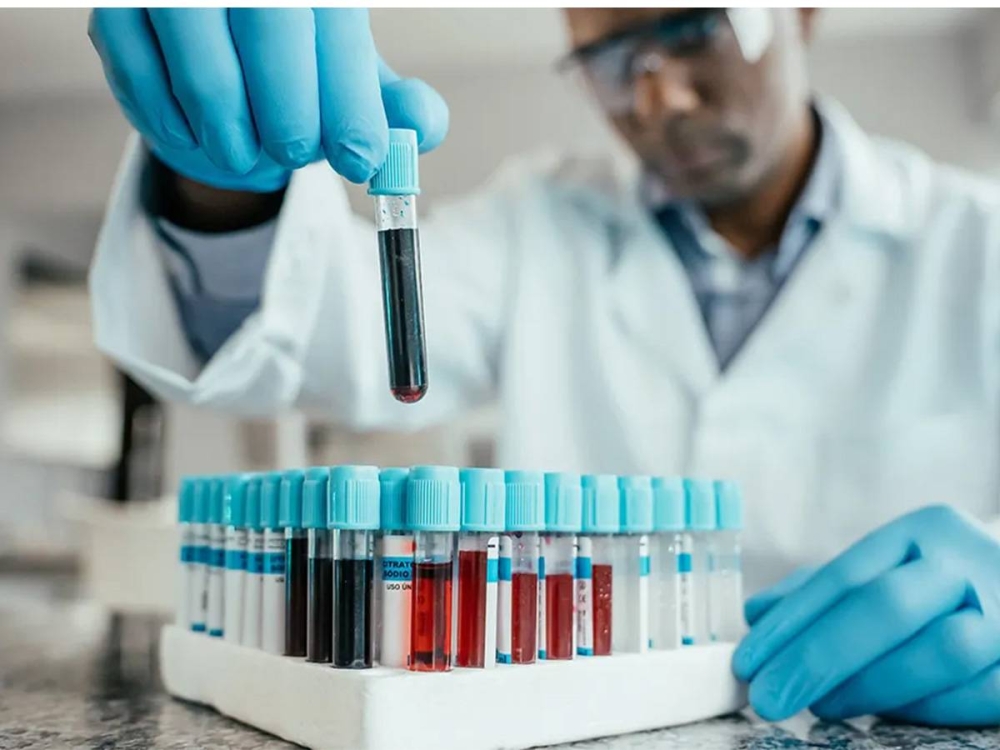
ويعتمد الاختبار الجديد على تحليل عينة بسيطة من الدم للكشف عن علامات السرطان، بخلاف الخزعات التقليدية التي تتطلب إزالة قطعة من الأنسجة، ما يجعلها تحديات في الكشف المبكر بسبب قلة كميات الحمض النووي الخاص بالخلايا السرطانية في الدم في مراحل المرض الأولى.
وركز فريق الباحثين على دراسة تعديلات الحمض النووي الريبي، وهي تغييرات كيميائية تحسن استقراره وتعمل كمؤشرات ثابتة للنشاط الحيوي، بغض النظر عن كمية الحمض النووي الريبي في العينة.
واكتشف الباحثون أن التحليل يشمل أيضاً الحمض النووي الريبي الخاص بمايكروبات الأمعاء، التي يتغير نشاطها استجابة للورم السرطاني، وتمكن الفريق من تحقيق حساسية أعلى للكشف المبكر عن المرض، من خلال متابعة تعديلات الحمض النووي الريبي لهذه المايكروبات.
وتفتح هذه النتائج آفاقاً واعدة لتطوير طرق كشف غير جراحية أكثر حساسية وفعالية لمراقبة السرطان في مراحله الأولى، ما يعزز فرص العلاج الناجح.
Researchers at the University of Chicago have developed a new blood test that detects colon and rectal cancer in its early stages, with an accuracy of up to 95%.
A study published in the journal Nature Biotechnology stated that the test relies on using ribonucleic acid (RNA) instead of deoxyribonucleic acid (DNA) to identify genetic changes associated with cancer.
The reliance on cell-free ribonucleic acid (cfRNA), which reflects the direct genetic activity of cells, comes in light of the inadequate detection of early stages of cancer due to the low amount of DNA released by tumor cells after they die, as traditional liquid biopsies depend on cell-free DNA (cfDNA).
The new test analyzes a simple blood sample to detect cancer markers, unlike traditional biopsies that require the removal of a piece of tissue, which poses challenges for early detection due to the low amounts of DNA from cancer cells in the early stages of the disease.
The research team focused on studying RNA modifications, which are chemical changes that enhance its stability and serve as consistent indicators of biological activity, regardless of the amount of RNA in the sample.
The researchers discovered that the analysis also includes RNA specific to gut microbes, whose activity changes in response to the tumor, and the team was able to achieve higher sensitivity for early disease detection by monitoring RNA modifications of these microbes.
These results open promising avenues for developing non-invasive detection methods that are more sensitive and effective for monitoring cancer in its early stages, thereby enhancing the chances of successful treatment.