


مع تزايد الاعتماد على أدوات الذكاء الاصطناعي مثل ChatGPT، يتسع الجدل حول الأثر البيئي لهذه التقنية. ووفقًا لتقرير صادر عن الوكالة الدولية للطاقة، فإن كل سؤال يُطرح على نموذج لغوي ضخم مثل ChatGPT يستهلك طاقة تعادل عشرة أضعاف ما يحتاجه طلب بحث على Google، وهو فارق يكشف مدى استنزاف الذكاء الاصطناعي للطاقة.
لكن هذا النهم في الاستهلاك لا يقتصر على استفسار فردي، بل يمتد إلى صورة أكثر خطورة. فمن المتوقع أن تصل مراكز البيانات في الولايات المتحدة إلى استهلاك ما بين 6.7% و12% من إجمالي الكهرباء بحلول 2028، مقارنة بـ4.4% فقط في 2023. هذا النمو المتسارع يضع البنية التحتية للطاقة تحت ضغط كبير، ويهدد أهداف التحول إلى مصادر طاقة نظيفة.
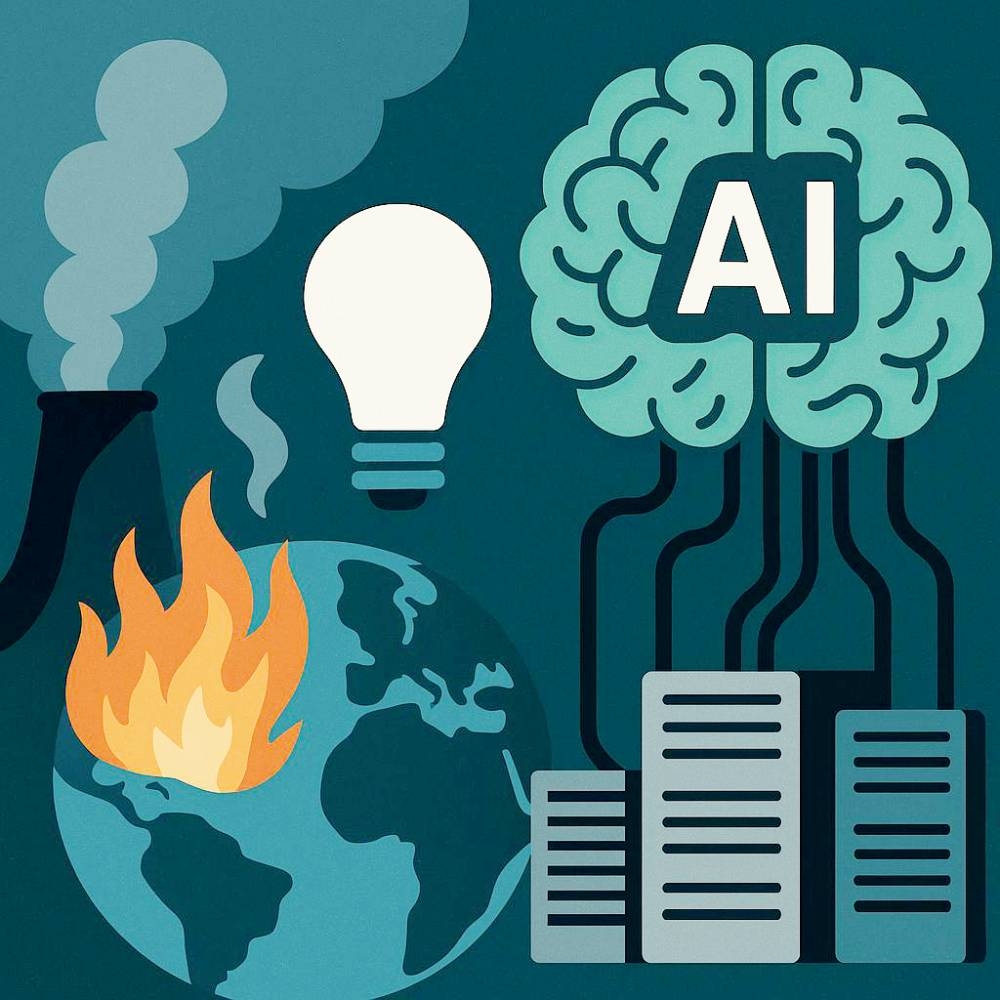
الخطير في الأمر، أن معظم مراكز البيانات لا تزال تعتمد على الوقود الأحفوري، ما يفاقم الانبعاثات ويعمّق أثر التلوث. وتحتاج هذه المراكز أيضًا إلى كميات ضخمة من المياه لتبريد الخوادم، ما يُضيف بُعدًا بيئيًا آخر إلى معادلة الاستهلاك والاستنزاف.
أمام هذه الأرقام، تظهر الحاجة الملحة إلى تغيير سلوكياتنا الرقمية. الاستخدام المكثف لأدوات الذكاء الاصطناعي دون وعي قد يتحول إلى عبء بيئي يفوق ما نتخيله. والسؤال الذي يجب أن نطرحه على أنفسنا اليوم هو: هل يمكن أن نستخدم هذه الأدوات بوعي ومسؤولية، بحيث نحقق الاستفادة دون أن نُثقل كاهل كوكبنا بثمن التقدم؟ لقد أصبح استهلاك الطاقة وجهًا جديدًا للأخلاق الرقمية في عصر الذكاء الاصطناعي.
استنزاف صامت.. كيف يلتهم ChatGPT والذكاء الاصطناعي طاقة كوكبنا؟
10 يوليو 2025 - 07:27
|
آخر تحديث 10 يوليو 2025 - 07:27


تابع قناة عكاظ على الواتساب
«عكاظ» (جدة) OKAZ_online@
As reliance on artificial intelligence tools like ChatGPT increases, the debate over the environmental impact of this technology is expanding. According to a report from the International Energy Agency, every question posed to a large language model like ChatGPT consumes energy equivalent to ten times that of a Google search query, a difference that highlights the energy drain of artificial intelligence.
However, this voracious consumption is not limited to individual inquiries; it extends to a more serious picture. Data centers in the United States are expected to consume between 6.7% and 12% of total electricity by 2028, compared to just 4.4% in 2023. This rapid growth places significant pressure on energy infrastructure and threatens the goals of transitioning to clean energy sources.
The alarming part is that most data centers still rely on fossil fuels, exacerbating emissions and deepening the impact of pollution. These centers also require vast amounts of water to cool servers, adding another environmental dimension to the equation of consumption and depletion.
In light of these figures, there is an urgent need to change our digital behaviors. The intensive use of artificial intelligence tools without awareness could turn into an environmental burden beyond what we can imagine. The question we must ask ourselves today is: Can we use these tools consciously and responsibly, so that we benefit without overburdening our planet at the cost of progress? Energy consumption has become a new facet of digital ethics in the age of artificial intelligence.
However, this voracious consumption is not limited to individual inquiries; it extends to a more serious picture. Data centers in the United States are expected to consume between 6.7% and 12% of total electricity by 2028, compared to just 4.4% in 2023. This rapid growth places significant pressure on energy infrastructure and threatens the goals of transitioning to clean energy sources.
The alarming part is that most data centers still rely on fossil fuels, exacerbating emissions and deepening the impact of pollution. These centers also require vast amounts of water to cool servers, adding another environmental dimension to the equation of consumption and depletion.
In light of these figures, there is an urgent need to change our digital behaviors. The intensive use of artificial intelligence tools without awareness could turn into an environmental burden beyond what we can imagine. The question we must ask ourselves today is: Can we use these tools consciously and responsibly, so that we benefit without overburdening our planet at the cost of progress? Energy consumption has become a new facet of digital ethics in the age of artificial intelligence.


