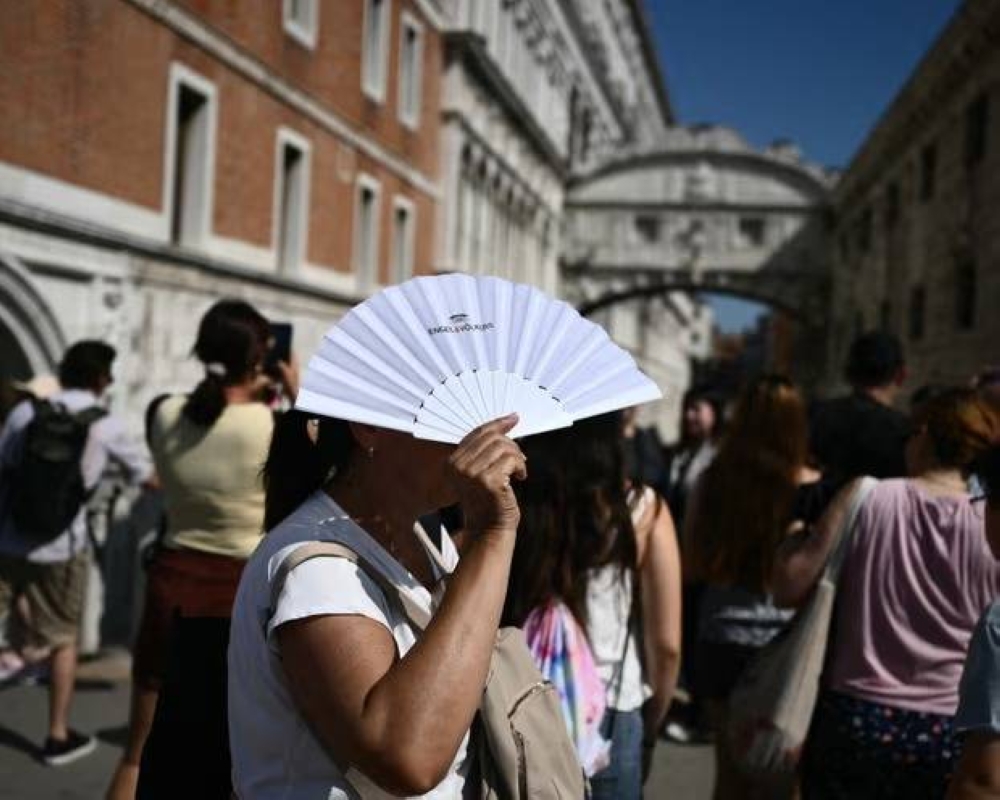
كشفت دراسة أولية شملت 12 مدينة أوروبية كبرى أن موجة الحر التي اجتاحت أوروبا بين 23 يونيو و2 يوليو تسببت في وفاة 2300 شخص، حيث تضاعف عدد الضحايا ثلاث مرات بسبب التلوث المسبب للاحتباس الحراري.
وأرجع العلماء 1500 من هذه الوفيات إلى تغير المناخ الناتج عن الأنشطة البشرية، التي جعلت درجات الحرارة القصوى أكثر شدة.
وتصدرت مدينة ميلانو قائمة المدن الأكثر تضررًا بـ317 وفاة من أصل 499 نُسبت إلى تغير المناخ، تلتها باريس وبرشلونة.
وفي لندن، سُجلت 273 وفاة، 171 منها مرتبطة بالتأثير البشري على المناخ. وأوضح مالكوم ميستري، عالم الأوبئة في كلية لندن للصحة والطب الاستوائي، أن موجات الحر تُعرف بـ«القتلة الصامتين»، مشيرًا إلى أن الوفيات تحدث بعيدًا عن الأنظار في المنازل والمستشفيات، مع تغطية إعلامية محدودة.
وأظهرت الدراسة، التي أجراها فريق «ورلد ويذر أتريبيوشن» ولم تُراجع بعد علميًا، أن 88% من الوفيات الناجمة عن تغير المناخ كانت بين الأشخاص فوق سن 65 عامًا.
وقال بن كلارك، عالم المناخ في إمبريال كوليدج لندن، إن موجات الحر لا تترك آثار تدمير واضحة مثل الحرائق أو العواصف، لكن تأثيرها مدمر بهدوء، حيث يمكن أن تؤدي زيادة بسيطة في درجات الحرارة إلى وفاة الآلاف.
واستخدم العلماء نماذج وبائية لتقدير الوفيات المرتبطة بالحرارة في مدن مثل باريس ولندن ومدريد وروما، مقارنين النتائج بعالم افتراضي خالٍ من تأثيرات حرق الوقود الأحفوري أو تدمير الطبيعة.
وحذروا من أن النماذج قد لا تعكس بشكل كامل التكيف مع الطقس الحار في السنوات الأخيرة. وأشاروا إلى أن تغير المناخ رفع درجات الحرارة في بعض المدن بما يصل إلى 4 درجات مئوية، مما تسبب في الوفيات الإضافية.
وتجاوزت حصيلة الوفيات من هذه الموجة الحارة تلك الناجمة عن كوارث أخرى تفاقمت بسبب التلوث بالوقود الأحفوري، مثل الفيضانات التي قتلت 224 شخصًا في إسبانيا عام 2024 و243 في شمال غرب أوروبا عام 2021.
وتشير دراسات سابقة إلى أن نحو 44 ألف شخص يموتون سنويًا في أوروبا بسبب الحرارة. وتوقع العلماء أن تكون هذه الموجة الحارة من أخطر الظواهر هذا الصيف.
وأفادت خدمة «كوبرنيكوس» الأوروبية لمراقبة الأرض أن يونيو الماضي كان ثالث أكثر الأشهر حرارة على الإطلاق عالميًا، مع موجة حرارة بحرية استثنائية في غرب البحر المتوسط، حيث بلغ متوسط درجة حرارة سطح البحر 27 درجة مئوية، وهي الأعلى على الإطلاق لشهر يونيو.
كما سجلت زيادة في الليالي الاستوائية الخطيرة، حيث لم تنخفض درجات الحرارة الليلية عن 20 درجة مئوية، مما زاد من معاناة الناس.
وأكدت سامانثا بورجيس، نائبة مدير خدمة كوبرنيكوس لتغير المناخ، أن موجات الحر ستصبح أكثر تواترًا وشدة في عالم يزداد احترارًا.
وأظهر تحليل من «ميركاتور أوشن» أن ثلثي البحر المتوسط تأثر بموجات حرارة بحرية قوية، مما أدى إلى اضطراب الأسماك وموت النباتات البحرية.
A preliminary study involving 12 major European cities revealed that the heatwave that swept across Europe between June 23 and July 2 caused the deaths of 2,300 people, with the number of victims tripling due to pollution caused by global warming.
Scientists attributed 1,500 of these deaths to climate change resulting from human activities, which made extreme temperatures more severe.
Milano topped the list of the most affected cities with 317 deaths out of 499 attributed to climate change, followed by Paris and Barcelona.
In London, 273 deaths were recorded, 171 of which were linked to human impact on the climate. Malcolm Mistry, an epidemiologist at the London School of Hygiene & Tropical Medicine, explained that heatwaves are known as "silent killers," noting that deaths occur out of sight in homes and hospitals, with limited media coverage.
The study, conducted by the "World Weather Attribution" team and not yet peer-reviewed, showed that 88% of climate change-related deaths were among people over the age of 65.
Ben Clark, a climate scientist at Imperial College London, stated that heatwaves do not leave obvious destructive marks like fires or storms, but their impact is quietly devastating, as a slight increase in temperatures can lead to the deaths of thousands.
Scientists used epidemiological models to estimate heat-related deaths in cities such as Paris, London, Madrid, and Rome, comparing the results to a virtual world free from the effects of fossil fuel burning or environmental destruction.
They warned that the models may not fully reflect adaptations to hot weather in recent years. They noted that climate change has raised temperatures in some cities by as much as 4 degrees Celsius, leading to additional deaths.
The death toll from this heatwave exceeded that from other disasters exacerbated by fossil fuel pollution, such as the floods that killed 224 people in Spain in 2024 and 243 in Northwestern Europe in 2021.
Previous studies indicate that around 44,000 people die annually in Europe due to heat. Scientists predicted that this heatwave would be one of the most dangerous phenomena this summer.
The European Copernicus Earth Observation Service reported that last June was the third hottest June ever recorded globally, with an exceptional marine heatwave in the western Mediterranean, where the average sea surface temperature reached 27 degrees Celsius, the highest ever for June.
There was also an increase in dangerous tropical nights, where nighttime temperatures did not drop below 20 degrees Celsius, exacerbating people's suffering.
Samantha Burgess, deputy director of the Copernicus Climate Change Service, confirmed that heatwaves will become more frequent and intense in a warming world.
An analysis from "Mercator Ocean" showed that two-thirds of the Mediterranean was affected by strong marine heatwaves, leading to fish disruption and the death of marine plants.