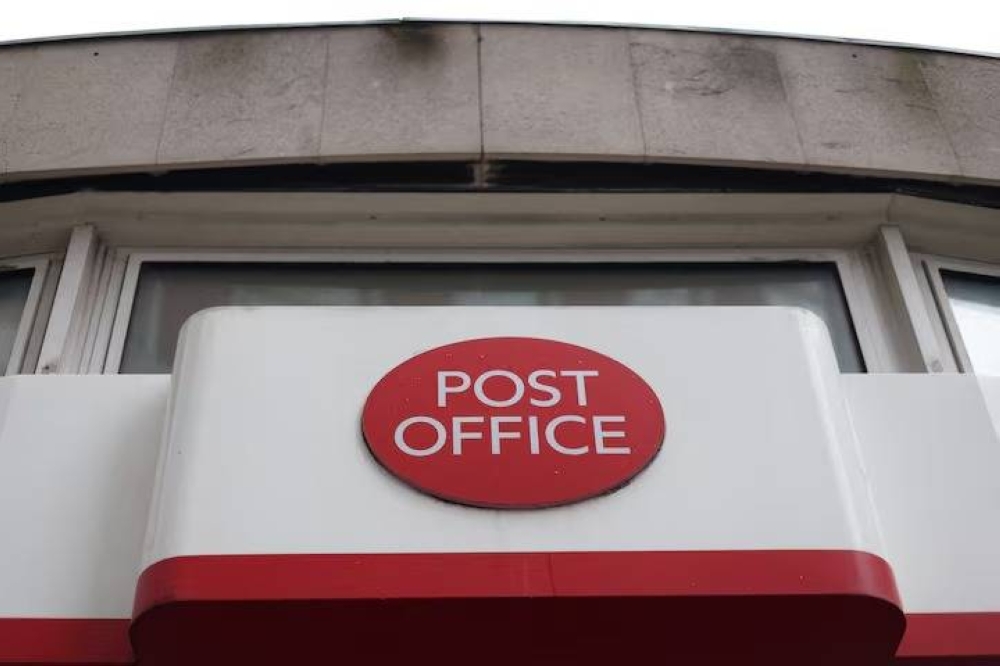
كشف تحقيق عام في بريطانيا، التبعات المأساوية لفضيحة مكتب البريد البريطاني، التي تُعد واحدة من أسوأ حالات الظلم القضائي في تاريخ البلاد. وأظهر التحقيق أن 13 شخصًا ربما أقدموا على الانتحار، بينما أُفلس آخرون أو أصيبوا بأمراض خطيرة نتيجة هذه الفضيحة، بحسب وكالة «رويترز».
وأكد رئيس التحقيق، وين ويليامز، أن المسؤولين التنفيذيين في مكتب البريد، المملوك للدولة، كانوا على علم، أو كان يجب أن يكونوا على علم، بعيوب نظام الحاسوب الذي استخدموه، لكنهم أصروا علنًا على دقته.
وخلال الفترة من 2000 إلى 2013، لاحق مكتب البريد مديري الفروع، المعروفين باسم «مديري البريد الفرعيين»، بسبب خسائر مالية ظهرت في حساباتهم، والتي كانت في الواقع ناتجة عن خلل في نظام تكنولوجيا المعلومات المقدم من شركة فوجيتسو اليابانية، وأُدين نحو ألف شخص بناءً على هذه الأخطاء.
وتصاعد الغضب العام تجاه الفضيحة العام الماضي بعد عرض مسلسل تلفزيوني بعنوان «السيد بيتس ضد مكتب البريد»، مما دفع الحكومة إلى سن تشريع لتبرئة المتضررين.
وفي الجزء الأول من تقريره المكون من 162 صفحة، دعا ويليامز إلى اتخاذ إجراءات عاجلة لضمان تعويض كامل وعادل للضحايا، مع توفير استشارات قانونية مجانية وتعويضات لأفراد عائلاتهم.
وأشار إلى أن نحو 10,000 شخص مؤهلون للحصول على التعويض عبر أربعة برامج، وأضاف في خطاب بعد نشر التقرير: تكبد آلاف الأشخاص خسائر مالية جسيمة، فقدوا أعمالهم ومنازلهم، أُعلنت إفلاسات، وتدمرت زيجات وعائلات. ومن المأساوي أن البعض، بحسب ما قيل، دُفعوا إلى الانتحار.
ومن بين الحالات الموثقة، تعرض مدير البريد مارتن غريفيث لإنهاء عقده في 2013 بسبب نقص في حساباته، ليقرر بعدها الانتحار بالسير عمدًا أمام حافلة، مما أدى إلى وفاته عن عمر 59 عامًا نتيجة إصابات متعددة.
وحدد التحقيق 6 مديري بريد سابقين قالت عائلاتهم إنهم أنهوا حياتهم، إضافة إلى 7 أشخاص آخرين لم يكونوا مديري بريد لكنهم تأثروا بنفس الخسائر المزيفة، كما عانى آخرون من مشكلات صحية نفسية وجسدية، إفلاس، وانهيار العلاقات الأسرية.
وأكد وزير الأعمال جوناثان رينولدز أن نشر التقرير يمثل خطوة مهمة لمديري البريد الفرعيين وعائلاتهم، متعهدًا بتقديم تعويضات عادلة وسريعة.
وقد عقد التحقيق جلسات استماع على مدار 226 يومًا واستمع إلى 298 شاهدًا، ومن المقرر نشر الجزء الثاني من التقرير النهائي لاحقًا لمناقشة دور مكتب البريد بالتفصيل.
A public inquiry in Britain has revealed the tragic consequences of the British Post Office scandal, which is considered one of the worst cases of judicial injustice in the country's history. The inquiry showed that 13 individuals may have committed suicide, while others went bankrupt or suffered serious illnesses as a result of this scandal, according to Reuters.
The inquiry's chair, Wyn Williams, confirmed that executives at the state-owned Post Office were aware, or should have been aware, of the flaws in the computer system they used, yet they publicly insisted on its accuracy.
Between 2000 and 2013, the Post Office pursued branch managers, known as "sub-postmasters," due to financial losses that appeared in their accounts, which were actually caused by a malfunction in the IT system provided by the Japanese company Fujitsu, leading to the conviction of around a thousand people based on these errors.
Public anger towards the scandal escalated last year after the airing of a television series titled "Mr. Bates vs. the Post Office," prompting the government to enact legislation to exonerate those affected.
In the first part of his 162-page report, Williams called for urgent action to ensure full and fair compensation for the victims, along with providing free legal advice and compensation for their family members.
He noted that around 10,000 people are eligible for compensation through four programs, adding in a letter after the report's publication: Thousands of people have suffered significant financial losses, lost their businesses and homes, faced bankruptcies, and had their marriages and families destroyed. Tragically, some, it has been said, were driven to suicide.
Among the documented cases, postmaster Martin Griffiths had his contract terminated in 2013 due to discrepancies in his accounts, after which he decided to commit suicide by deliberately walking in front of a bus, resulting in his death at the age of 59 from multiple injuries.
The inquiry identified 6 former postmasters whose families said they took their own lives, in addition to 7 other individuals who were not postmasters but were affected by the same false losses, while others suffered from mental and physical health issues, bankruptcy, and the breakdown of family relationships.
Business Secretary Jonathan Reynolds confirmed that the publication of the report represents an important step for sub-postmasters and their families, pledging to provide fair and swift compensation.
The inquiry held hearings over 226 days and heard from 298 witnesses, with the second part of the final report set to be published later to discuss the role of the Post Office in detail.