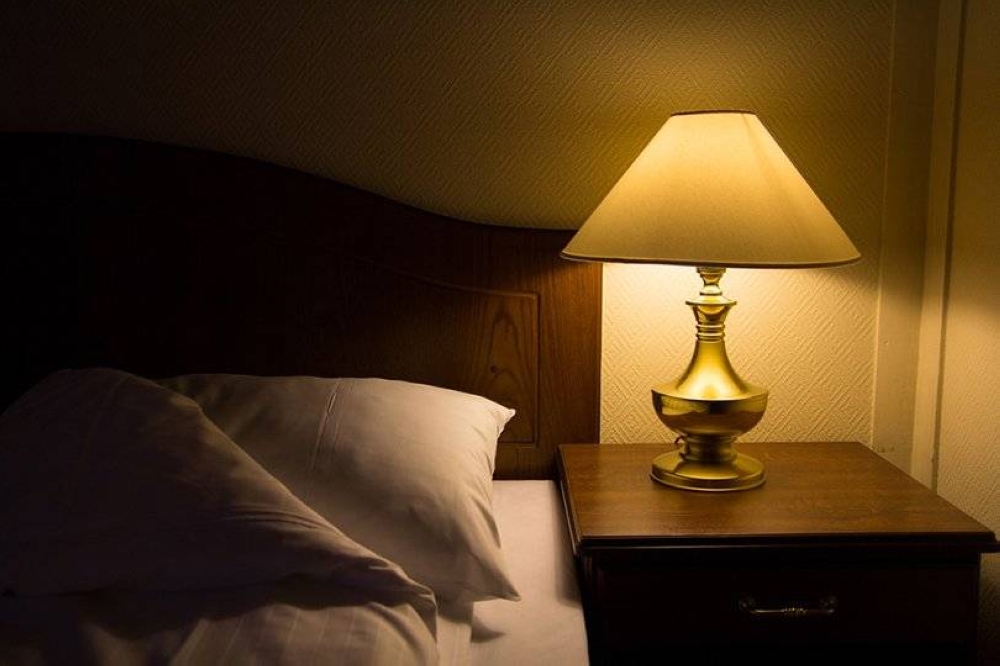
ربط باحثون من معهد فلندرز للأبحاث الصحية والطبية في أستراليا، إلى جانب زملاء لهم في المملكة المتحدة والولايات المتحدة، التعرضَ للضوء الساطع ليلاً بارتفاع مخاطر الإصابة بخمسة أمراض قلبية وعائية رئيسية.
وأشار الباحثون إلى أن التعرض الشخصي للضوء الليلي ينبىء بحدوث أمراض القلب والأوعية الدموية لدى أكثر من 88 ألف شخص استندت إليهم الدراسة، من سجلات البنك الحيوي البريطاني، وارتدوا حول معصمهم أجهزة استشعار ضوئية مثبتة لفترة من الوقت بين 2013 و2016.
وبحسب «مديكال إكسبريس»، أجرى الباحثون تحليلاً مستقبلياً لهؤلاء الأشخاص لتقييم ما إذا كان التعرض للضوء ليلاً ونهاراً يؤدي لحدوث أمراض القلب والأوعية الدموية، وما إذا كانت العلاقات تختلف باختلاف الاستعداد الوراثي، والجنس، والعمر.
وأظهرت الليالي الأكثر سطوعاً ارتباطاً بين الجرعة والاستجابة، وارتفاع المخاطر.
وواجه المشاركون المصنفون ضمن الشريحة الأكثر تعرضاً للضوء الليلي خطراً أعلى بنسبة 23 إلى 32% للإصابة بأمراض الشريان التاجي، و42 إلى 47% لاحتشاء عضلة القلب، و45 إلى 56% لقصور القلب، و28 إلى 32% للرجفان الأذيني، و28 إلى 30% للسكتة الدماغية، مقارنةً بمن ينتمون إلى الشريحة الأدنى.
واستمرت هذه العلاقات بعد ضبط عوامل النشاط البدني، والتدخين، والنظام الغذائي، ومدة النوم، والوضع الاجتماعي والاقتصادي، والمخاطر الجينية.
وأظهرت النساء ارتباطاً أقوى بقصور القلب ومرض الشريان التاجي، بينما أظهر المشاركون الأصغر سناً ارتباطاً أقوى بقصور القلب والرجفان الأذيني.
وقال الباحثون إن اختلال الساعة البيولوجية الناجم عن الضوء غير الطبيعي قد يؤدي إلى اضطرابات أيضية ووعائية تزيد من خطر الإصابة بأمراض القلب والشرايين.
وقد يؤدي ذلك الخلل إلى ضعف تحمل الجلوكوز، وزيادة قابلية الإصابة بمرض السكري، ما ينتج عنه تعزيز خلل بطانة الأوعية الدموية وتصلب الشرايين.
كما قد يزيد فرط التخثر الناتج عن الضوء من حالات الانصمام الخثاري، ومع الوقت يحدث تلف بطانة الأوعية الدموية وتحفيز تضخم عضلة القلب، وقد يؤدي تضارب إشارات التوقيت إلى اضطرابات نظم القلب.
ودعا الباحثون إلى استخدام إضاءة تراعي الساعة البيولوجية في المنازل، والمستشفيات، وتخطيط المدن.
Researchers from Flinders Institute for Health and Medical Research in Australia, along with colleagues in the United Kingdom and the United States, linked exposure to bright light at night to an increased risk of five major cardiovascular diseases.
The researchers noted that personal exposure to nighttime light predicts cardiovascular diseases in more than 88,000 individuals included in the study, based on records from the UK Biobank, who wore light sensors around their wrists for a period between 2013 and 2016.
According to "Medical Express," the researchers conducted a prospective analysis of these individuals to assess whether exposure to light at night and during the day leads to cardiovascular diseases, and whether the relationships vary based on genetic predisposition, sex, and age.
The brightest nights showed a correlation between dose and response, and increased risks.
Participants classified in the highest exposure group to nighttime light faced a 23 to 32% higher risk of coronary artery disease, 42 to 47% for myocardial infarction, 45 to 56% for heart failure, 28 to 32% for atrial fibrillation, and 28 to 30% for stroke, compared to those in the lowest exposure group.
These relationships persisted after adjusting for factors such as physical activity, smoking, diet, sleep duration, socioeconomic status, and genetic risks.
Women showed a stronger association with heart failure and coronary artery disease, while younger participants exhibited a stronger association with heart failure and atrial fibrillation.
The researchers stated that circadian disruption caused by unnatural light may lead to metabolic and vascular disorders that increase the risk of cardiovascular diseases.
This disruption may result in impaired glucose tolerance and increased susceptibility to diabetes, leading to enhanced endothelial dysfunction and atherosclerosis.
Additionally, light-induced hypercoagulability may increase thromboembolic events, and over time, damage to the vascular endothelium and stimulation of cardiac hypertrophy may occur, while conflicting timing signals could lead to arrhythmias.
The researchers called for the use of lighting that considers the biological clock in homes, hospitals, and urban planning.