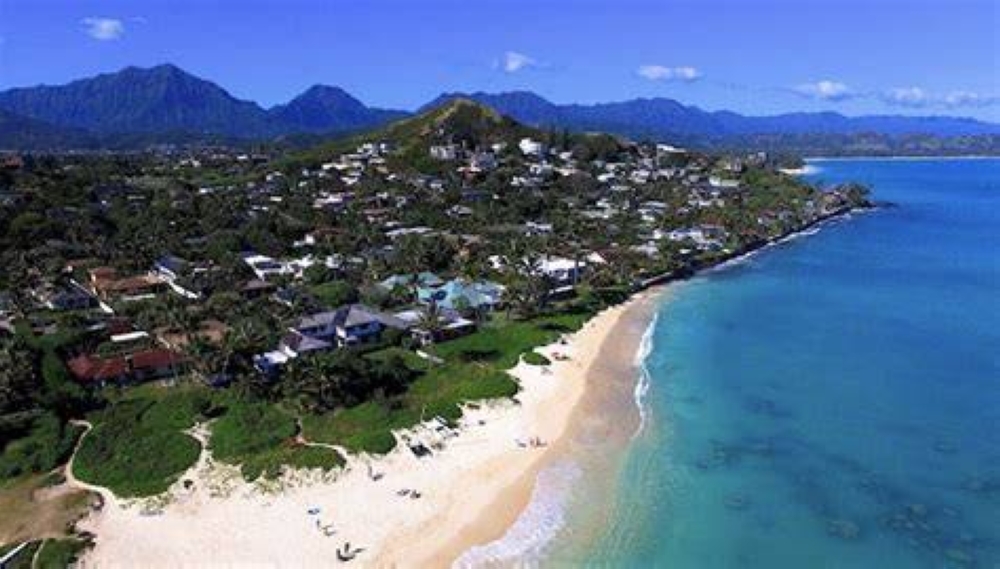
في تطور مقلق يهدد موسم الصيف، أصدرت السلطات الصحية في الولايات المتحدة تحذيراً عاجلاً للمواطنين والسياح، داعية إياهم إلى تجنب السباحة في أكثر من 100 شاطئ موزعة على 12 ولاية، بسبب رصد مستويات خطيرة من البكتيريا القاتلة، وذلك في إجراء عاجل أثار حالة من القلق بين عشاق الشواطئ، حيث باتت السلامة العامة على المحك.
وتشمل الشواطئ المغلقة أو التي صدرت بشأنها تحذيرات مواقع شهيرة في ولايات مثل ماساتشوستس، نيويورك، إلينوي، ميشيغان، كاليفورنيا، وواشنطن، حيث أوضحت السلطات أن السبب الرئيسي وراء هذه الإغلاقات هو ارتفاع مستويات بكتيريا مثل «فيبريو» و «إي كولاي» و«إنتيروكوكاي» إلى جانب الطحالب السامة مثل السيانوبكتيريا.
وتنتشر هذه البكتيريا غالباً في المياه الساحلية والعذبة، ويمكن أن تتسبب في أمراض خطيرة تشمل الإسهال، التشنجات المعوية، التقيؤ، الحمى، التهابات الجلد، وحتى انخفاض خطير في ضغط الدم قد يؤدي إلى الوفاة في بعض الحالات، خاصة بين الأطفال، كبار السن، وأصحاب المناعة الضعيفة.
ووفقاً لمراكز السيطرة على الأمراض والوقاية منها، تنتشر بكتيريا «فيبريو» بشكل خاص خلال الأشهر الدافئة بين مايو وأكتوبر، ويمكن أن تدخل الجسم عن طريق الجروح المفتوحة أو تناول المأكولات البحرية الملوثة مثل المحار، وفي ماساتشوستس، أُغلق 34 شاطئاً بسبب مستويات مرتفعة من «إي كولاي» و«إنتيروكوكاي»، بينما شهدت شواطئ في سان دييغو ونيويورك تحذيرات مماثلة بسبب التلوث الناتج عن مياه الأمطار الغزيرة التي تحمل الفضلات البشرية والحيوانية إلى البحر.
وفي سياتل، أُغلقت خمسة شواطئ على الأقل بسبب التلوث البكتيري، بينما سجلت حالة واحدة للطحالب السامة في شاطئ ويست غرين ليك، وأرجعت السلطات هذا الارتفاع في مستويات البكتيريا إلى عوامل بيئية مثل الأمطار الغزيرة التي تسببت في فيضان أنظمة الصرف الصحي، مما أدى إلى انتقال الفضلات إلى المسطحات المائية.
كما أشارت التقارير إلى أن تغير المناخ يفاقم المشكلة، حيث تؤدي ارتفاع درجات حرارة المياه إلى زيادة تكاثر البكتيريا والطحالب السامة، وقد حثت السلطات الزوار على التحقق من تحديثات إدارات الصحة المحلية وتجنب السباحة في المياه التي تبدو غائمة أو ذات رائحة كريهة، مع الامتناع عن السباحة بالقرب من أنابيب الصرف.
وتستمر السلطات في إجراء اختبارات أسبوعية لجودة المياه، ومن المتوقع أن تظل بعض الشواطئ مغلقة حتى تثبت الاختبارات سلامتها، وفي هذه الأثناء، يواجه المصطافون تحدياً جديداً في البحث عن وجهات آمنة للاستمتاع بالصيف، في ظل هذا التهديد الصحي غير المسبوق.
وتشهد الولايات المتحدة سنوياً تحديات متعلقة بجودة المياه في الشواطئ، خاصة خلال فصل الصيف عندما يزداد الإقبال على السباحة، ووفقاً لوكالة حماية البيئة الأمريكية، يتم رصد مستويات البكتيريا مثل «إي كولاي» و«إنتيروكوكاي» كمؤشرات على التلوث بالفضلات، التي قد تحمل مسببات أمراض خطيرة.
وفي السنوات الأخيرة، ساهمت التغيرات المناخية في تفاقم هذه المشكلة، حيث أدى ارتفاع درجات حرارة المياه إلى زيادة انتشار البكتيريا مثل «فيبريو فولنيفيكو» وهي نوع نادر لكنه قاتل، يمكن أن يسبب التهابات تهدد الحياة، كما أن السيانوبكتيريا، أو الطحالب الزرقاء - الخضراء، التي تنتج سموماً مثل «مايكروسايستين»، أصبحت تهديداً متزايداً في البحيرات والأنهار بسبب الاحتباس الحراري.
In a concerning development that threatens the summer season, health authorities in the United States have issued an urgent warning to citizens and tourists, urging them to avoid swimming at more than 100 beaches across 12 states due to the detection of dangerous levels of deadly bacteria. This urgent measure has raised alarm among beach lovers, as public safety is at stake.
The closed beaches or those under warning include famous locations in states such as Massachusetts, New York, Illinois, Michigan, California, and Washington. Authorities explained that the main reason for these closures is the rise in levels of bacteria such as "Vibrio," "E. coli," and "Enterococcus," along with toxic algae like cyanobacteria.
These bacteria often thrive in coastal and freshwater, and can cause serious illnesses including diarrhea, intestinal cramps, vomiting, fever, skin infections, and even a dangerous drop in blood pressure that can lead to death in some cases, especially among children, the elderly, and those with weakened immune systems.
According to the Centers for Disease Control and Prevention, "Vibrio" bacteria spread particularly during the warm months from May to October, and can enter the body through open wounds or by consuming contaminated seafood such as shellfish. In Massachusetts, 34 beaches were closed due to high levels of "E. coli" and "Enterococcus," while beaches in San Diego and New York received similar warnings due to pollution from heavy rain that washed human and animal waste into the sea.
In Seattle, at least five beaches were closed due to bacterial contamination, while one case of toxic algae was reported at West Green Lake beach. Authorities attributed the rise in bacteria levels to environmental factors such as heavy rains that caused sewage systems to overflow, leading to the transfer of waste into water bodies.
Reports also indicated that climate change is exacerbating the problem, as rising water temperatures lead to increased proliferation of bacteria and toxic algae. Authorities have urged visitors to check for updates from local health departments and to avoid swimming in waters that appear cloudy or have a foul odor, while refraining from swimming near drainage pipes.
Authorities continue to conduct weekly water quality tests, and some beaches are expected to remain closed until tests confirm their safety. In the meantime, vacationers face a new challenge in finding safe destinations to enjoy the summer amid this unprecedented health threat.
The United States faces annual challenges related to water quality at beaches, especially during the summer when swimming increases. According to the U.S. Environmental Protection Agency, levels of bacteria such as "E. coli" and "Enterococcus" are monitored as indicators of pollution from waste, which may carry serious disease-causing pathogens.
In recent years, climate changes have contributed to worsening this problem, as rising water temperatures have increased the spread of bacteria such as "Vibrio vulnificus," a rare but deadly type that can cause life-threatening infections. Additionally, cyanobacteria, or blue-green algae, which produce toxins like "microcystin," have become an increasing threat in lakes and rivers due to global warming.