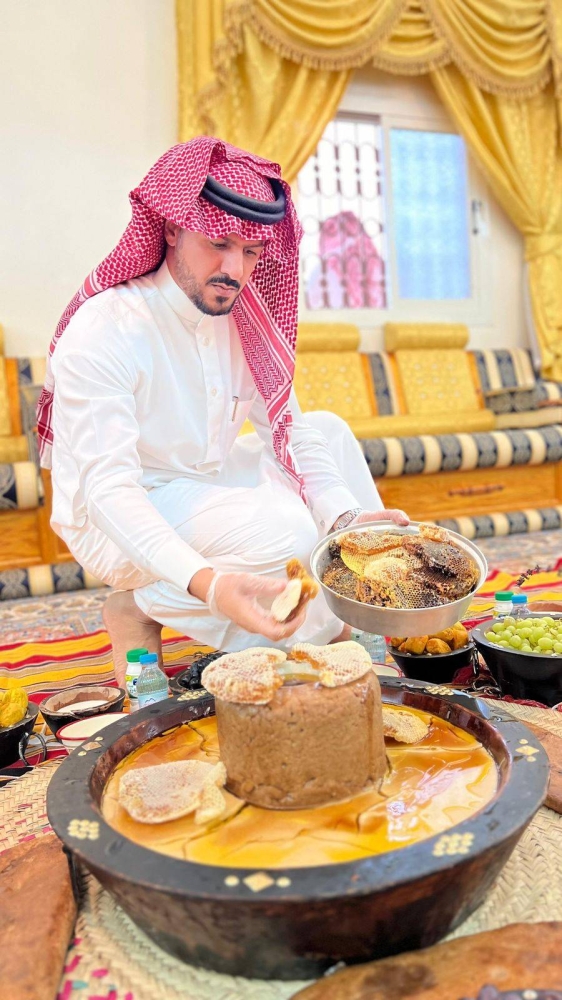
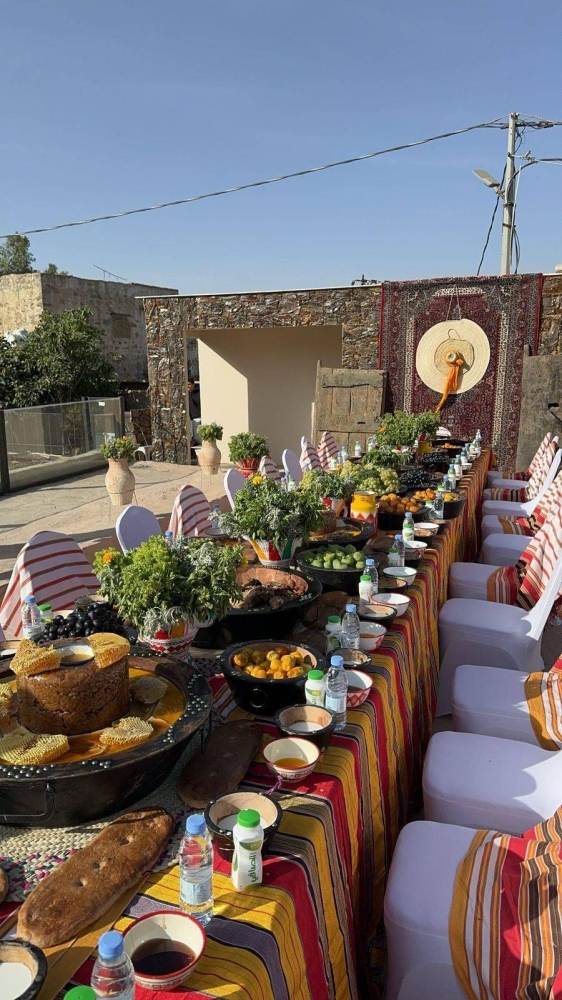
في قلب منطقة عسير، وتحديداً في محافظة النماص، لا تزال «المشغوثة» الجنوبية تحافظ على مكانتها كأحد أبرز الأطباق الشعبية، التي تعكس هوية المطبخ الجنوبي الأصيل، وارتباطه بالعادات والتقاليد المتوارثة عبر الأجيال.
1
تتكون هذه الوجبة التراثية من مكونات بسيطة؛ فهي تُعد من دقيق البر، وتُطهى بعناية وبطء حتى تكتسب قواماً متماسكاً وطعماً غنياً، ثم تُسقى بالسمن البلدي وتُحلّى بالعسل الجبلي، لتشكل بذلك وجبة غذائية متكاملة ومحببة، لدى الأهالي والزوار على حد سواء.
ويُقدَّم هذا الطبق في أوانٍ خشبية تقليدية تُعرف باسم (الصحاف)، وهي صحون مصنوعة يدوياً، تضفي على «المشغوثة» بعداً تراثياً وخصوصية محلية، تعكس روح الضيافة الجنوبية.
3
اللافت أن هذا الطبق، لم يعد مقتصراً على كبار السن أو المناسبات التراثية والاجتماعية فحسب، بل أصبح رمزاً من رموز الفخر والارتباط المحلي، لدى الشباب والفتيات من أبناء النماص، الذين بادروا إلى إحياء هذا الإرث، من خلال تقديمه في الفعاليات والمهرجانات، بل وحتى في استقبال الضيوف والسياح، كدلالة على الكرم والأصالة.
كما يحرص هؤلاء الشباب على الحفاظ على المطبخ الجنوبي القديم، ليس فقط بإعداد المشغوثة، بل أيضاً بإحياء باقي الأطباق الشعبية، مثل العريكة والعصيدة وخبز الفطير، وتقديمها بأساليب جذابة ومعاصرة، مع الحفاظ على روحها التقليدية ومكوناتها الطبيعية.
ويؤكد عدد من شباب وشابات النماص، أن مسؤوليتهم تجاه الإرث الثقافي، لا تقتصر على التذوق أو العرض، بل تشمل نقله للأجيال القادمة، وتوثيقه كجزء من الذاكرة الجمعية، ليبقى حياً في زمن الحداثة. وتساهم هذه الجهود في مقاومة اندثار الأطباق الشعبية، وتعزيز السياحة الثقافية التي تشهد نمواً ملحوظاً في المنطقة.
في ظل هذا الحراك الواعد، تبرز «المشغوثة» أكثر من مجرد طبق شعبي، بل كقصة انتماء وهوية، تسردها الأيادي الشابة في النماص، بفخر لكل من يحل ضيفاً على أرض الجنوب.
In the heart of the Asir region, specifically in the Al-Namas governorate, the southern "Mushghutha" continues to maintain its status as one of the most prominent traditional dishes, reflecting the identity of the authentic southern cuisine and its connection to the customs and traditions passed down through generations.
1
This heritage dish consists of simple ingredients; it is made from wheat flour and is cooked carefully and slowly until it acquires a cohesive texture and a rich flavor, then it is drizzled with local ghee and sweetened with mountain honey, thus forming a complete and beloved meal among both locals and visitors alike.
This dish is served in traditional wooden bowls known as (Al-Sahaf), which are handmade plates that add a heritage dimension and local uniqueness to the "Mushghutha," reflecting the spirit of southern hospitality.
3
Notably, this dish is no longer limited to the elderly or traditional and social occasions; it has become a symbol of pride and local connection among the youth of Al-Namas, who have taken the initiative to revive this heritage by presenting it at events and festivals, and even in welcoming guests and tourists, as a sign of generosity and authenticity.
These young people are also keen to preserve the old southern cuisine, not only by preparing the Mushghutha but also by reviving other traditional dishes, such as Al-Areeqa, Al-Asida, and Fatir bread, presenting them in attractive and contemporary ways while maintaining their traditional spirit and natural ingredients.
A number of young men and women from Al-Namas affirm that their responsibility towards the cultural heritage is not limited to tasting or showcasing it, but also includes passing it on to future generations and documenting it as part of the collective memory, so it remains alive in the era of modernity. These efforts contribute to resisting the decline of traditional dishes and enhancing cultural tourism, which is witnessing significant growth in the region.
Amid this promising movement, the "Mushghutha" stands out as more than just a traditional dish; it is a story of belonging and identity, narrated by the young hands in Al-Namas, with pride to all who visit the land of the south.