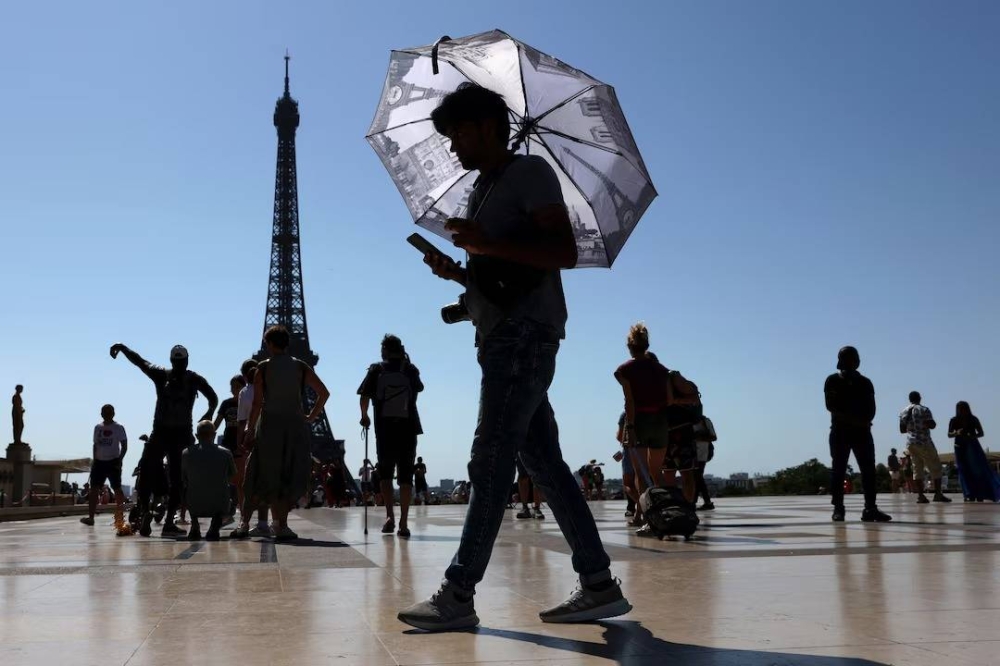
شهدت أوروبا موجة حر غير مسبوقة هذا الأسبوع، حيث فرضت إيطاليا قيودًا على العمل في الهواء الطلق، وأغلقت فرنسا المدارس، بينما كافحت تركيا حرائق الغابات.
وأكد خبراء الأرصاد الجوية أن هذه الموجة الحارة استثنائية بسبب حدوثها في وقت مبكر من العام.
وسجلت إسبانيا أعلى درجات الحرارة لشهر يونيو في تاريخها، حيث تجاوزت درجات الحرارة 40 درجة مئوية في مدن عدة أمس الثلاثاء، كما وصلت الحرارة إلى 40 درجة في مدينة ترينتو الإيطالية، بينما شهدت مدن شمال أوروبا مثل لندن ارتفاعًا ملحوظًا في درجات الحرارة.
ووفقًا لخدمة كوبرنيكوس لتغير المناخ التابعة للاتحاد الأوروبي، تُعد أوروبا القارة الأسرع ارتفاعًا في درجات الحرارة على مستوى العالم، حيث ترتفع درجات الحرارة بمعدل يفوق المتوسط العالمي بمرتين.
وقالت كلير نوليس، المتحدثة باسم المنظمة العالمية للأرصاد الجوية، إن ما يميز هذه الموجة هو توقيتها المبكر، حيث تُعتبر هذه الظروف الحارة شائعة في وقت لاحق من الصيف.
وأصدرت بعض الدول تحذيرات صحية، وأرجعت نقابات عمالية وفاة عامل بناء قرب مدينة بولونيا الإيطالية يوم الإثنين، إلى الحرارة الشديدة.
وفي إيطاليا، تم حظر العمل في الهواء الطلق خلال ساعات الذروة الحارة في بعض المناطق، مع إصدار تحذيرات حمراء من الحرارة لـ17 مدينة، بما في ذلك ميلانو وروما.
كما شهدت مدينتا فلورنسا وبيرغامو الإيطاليتان انقطاعات في الكهرباء بسبب الاستهلاك العالي للمكيفات، وفي صقلية، توفيت امرأة تعاني من مشكلات قلبية أثناء سيرها في مدينة باغيريا. وفي برشلونة الإسبانية، يحقق المسؤولون في احتمال ارتباط وفاة عامل نظافة خلال عطلة نهاية الأسبوع بالحرارة.
وأنشأ الصليب الأحمر في مالقا بجنوب إسبانيا ملجأً مناخيًا مكيفًا للأهالي. وفي تركيا، أدت حرائق الغابات إلى إجلاء مؤقت لحوالى 50,000 شخص يوم الإثنين في مناطق حول إزمير ومانيسا وهاتاي.
وفي فرنسا، أُغلقت حوالى 1,900 مدرسة يوم الثلاثاء، مقارنة بـ200 مدرسة يوم الإثنين، مع توقعات بأن تصل الحرارة إلى 40-41 درجة مئوية في بعض المناطق، وسجل البحر المتوسط قبالة إسبانيا درجة حرارة قياسية بلغت 30 درجة مئوية، أي ست درجات فوق المتوسط الموسمي، وفقًا لوكالة الأرصاد الجوية الإسبانية.
وأرجع العلماء تغير المناخ إلى انبعاثات الغازات الدفيئة الناتجة عن حرق الوقود الأحفوري، إضافة إلى إزالة الغابات والممارسات الصناعية، وكان العام الماضي الأكثر حرارة على مستوى العالم. في لندن، حيث بلغت الحرارة 32 درجة مئوية.
وتسببت الحرارة في تعطيل خط السكك الحديدية بين باريس وميلانو بسبب انهيار طيني في جبال الألب الفرنسية، مع توقعات باستمرار التعطيل حتى منتصف يوليو.
وفي فرنسا، يواجه المزارعون، وهي أكبر منتج للحبوب في الاتحاد الأوروبي، مخاطر حرائق الحقول مع بدء موسم الحصاد، إذ يعمل الكثيرون ليلًا لتجنب ذروة الحرارة بعد الظهر.
Europe has experienced an unprecedented heatwave this week, with Italy imposing restrictions on outdoor work, and France closing schools, while Turkey struggled with wildfires.
Meteorological experts confirmed that this heatwave is exceptional due to its occurrence early in the year.
Spain recorded its highest June temperatures in history, with temperatures exceeding 40 degrees Celsius in several cities on Tuesday, while the temperature reached 40 degrees in the Italian city of Trento, and northern European cities like London saw a noticeable rise in temperatures.
According to the European Union's Copernicus Climate Change Service, Europe is the fastest warming continent in the world, with temperatures rising at a rate more than twice the global average.
Claire Nullis, spokesperson for the World Meteorological Organization, stated that what distinguishes this heatwave is its early timing, as such hot conditions are typically common later in the summer.
Some countries issued health warnings, and labor unions attributed the death of a construction worker near the Italian city of Bologna on Monday to the extreme heat.
In Italy, outdoor work was banned during peak heat hours in some areas, with red heat warnings issued for 17 cities, including Milan and Rome.
The Italian cities of Florence and Bergamo also experienced power outages due to high air conditioning consumption, and in Sicily, a woman with heart problems died while walking in the city of Bagheria. In Barcelona, Spain, officials are investigating the possible link between the death of a cleaning worker over the weekend and the heat.
The Red Cross in Malaga, southern Spain, established a climate-controlled shelter for residents. In Turkey, wildfires led to the temporary evacuation of about 50,000 people on Monday in areas around Izmir, Manisa, and Hatay.
In France, about 1,900 schools were closed on Tuesday, compared to 200 schools on Monday, with expectations that temperatures could reach 40-41 degrees Celsius in some areas. The Mediterranean Sea off the coast of Spain recorded a record temperature of 30 degrees Celsius, which is six degrees above the seasonal average, according to the Spanish meteorological agency.
Scientists attribute climate change to greenhouse gas emissions resulting from fossil fuel burning, as well as deforestation and industrial practices, with last year being the hottest on record globally. In London, temperatures reached 32 degrees Celsius.
The heat caused disruptions to the railway line between Paris and Milan due to a mudslide in the French Alps, with expectations of continued disruptions until mid-July.
In France, farmers, the largest grain producers in the European Union, face the risk of field fires as the harvest season begins, with many working at night to avoid the peak afternoon heat.