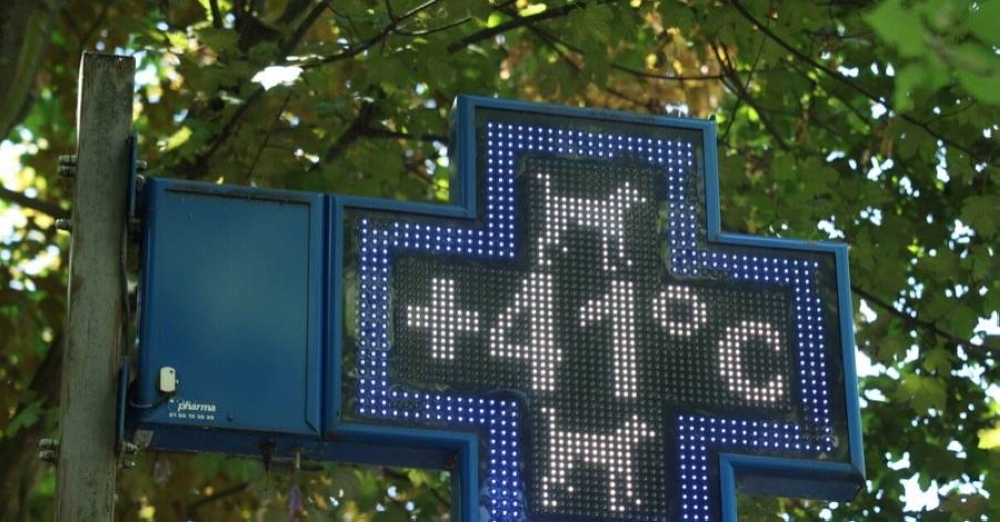
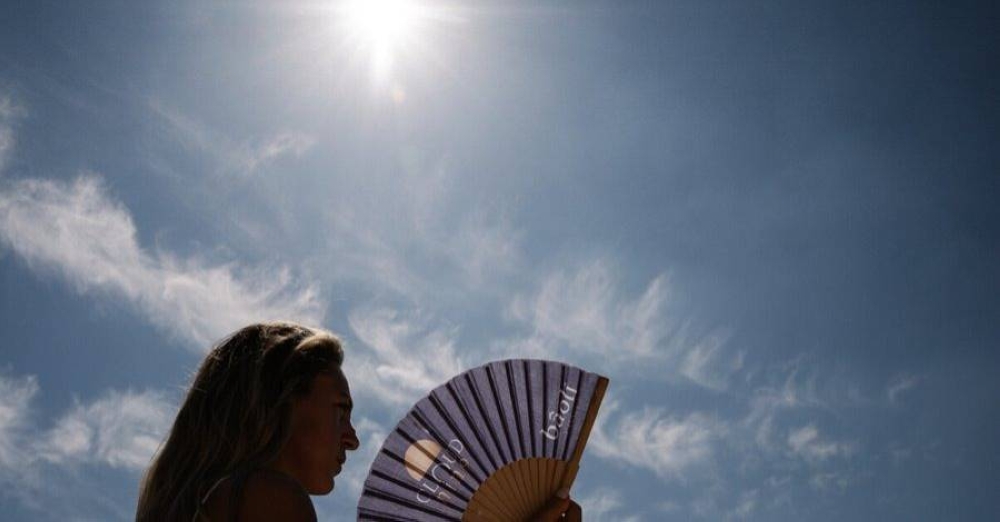
دفعت الموجة الحارية التي وصفت بأنها «غير المسبوقة» التي تشهدها فرنسا، السلطات الفرنسية، إلى اتخاذ إجراءات طارئة شملت إغلاق الطابق العلوي من برج إيفل، وتعليق عمل محطة «غولفش» للطاقة النووية مؤقتا، وإغلاق نحو 1350 مدرسة في جميع أنحاء البلاد، وسط توقعات هيئة الأرصاد الجوية الفرنسية بأن تصل درجات الحرارة إلى ذروتها يوم الثلاثاء، مع تسجيل ما بين 36 إلى 41 درجة مئوية في مناطق متعددة، بما في ذلك العاصمة باريس.
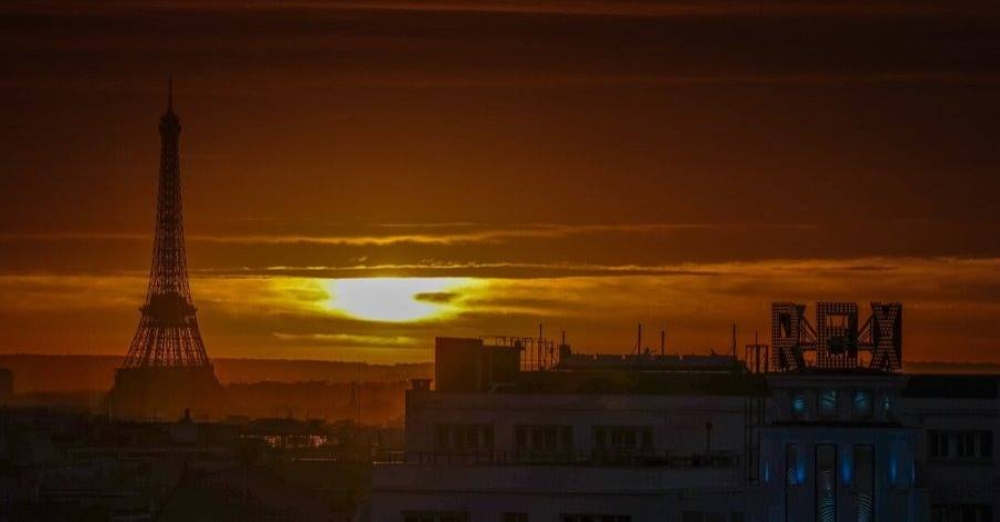
وأعلنت السلطات الفرنسية حالة التأهب القصوى في 16 إقليمًا، بما فيها باريس، مع فرض قيود على وسائل النقل الملوثة وتخفيض السرعة في بعض المناطق للحد من تلوث الأوزون، وتم إغلاق قمة برج إيفل، الذي يبلغ ارتفاعه 330 مترًا، يوم الإثنين عند الساعة 11:00 بتوقيت غرينتش، مع استمرار الإغلاق يومي الثلاثاء والأربعاء، لحماية الزوار من الحرارة الشديدة، بينما ظلت الطوابق الدنيا مفتوحة مع توفير نوافير مياه للوقاية من الجفاف.
في سياق متصل، أوقفت شركة الكهرباء الفرنسية «إي دي إف» تشغيل محطة غولفش للطاقة النووية في جنوب البلاد لمنع ارتفاع درجة حرارة نهر غارون، الذي يُستخدم لتبريد المفاعلات، حيث وصلت درجة حرارة مياه النهر إلى 28 درجة مئوية، ولم تحدد الشركة موعد استئناف التشغيل، مما يعكس التحديات التي تواجهها البنية التحتية في ظل الظروف المناخية المتطرفة.
كما أثرت موجة الحر على العام الدراسي، حيث أعلنت وزارة التعليم إغلاق نحو 1350 مدرسة بشكل جزئي أو كلي، وهو ضعف عدد المدارس التي أغلقت يوم الإثنين، بسبب نقص التهوية في الفصول الدراسية وتأثير الحرارة على صحة الطلاب، وأصدرت الحكومة تحذيرات خاصة للأطفال وكبار السن والأشخاص الذين يعانون من أمراض مزمنة، داعية إلى تجنب التعرض لأشعة الشمس وشرب المزيد من السوائل.
وتُعد هذه الموجة الحارة جزءًا من ظاهرة مناخية أوسع تضرب جنوب أوروبا، حيث تسجل دول مثل إسبانيا والبرتغال وإيطاليا درجات حرارة قياسية، ويعزو العلماء تفاقم موجات الحر إلى التغير المناخي الناتج عن الأنشطة البشرية، مما يجعلها أكثر حدة وتكرارًا، وسجل البحر الأبيض المتوسط في يونيو، أعلى حرارة سطحية على الإطلاق بمتوسط 26.01 درجة مئوية، وفقًا لبيانات برنامج كوبرنيكوس الأوروبي.
وفي فرنسا، أدت موجة الحر إلى إصدار تحذيرات حمراء في 16 إقليمًا وبرتقالية في 68 إقليمًا آخر، مع توقعات بأن تستمر الظروف الحارة حتى الأربعاء قبل أن تبدأ بالانخفاض مع تقدم كتلة هوائية أقل حرارة، كما تسببت الحرارة الشديدة في اندلاع حرائق غابات في جنوب غرب فرنسا، خصوصا في مقاطعة أود، حيث أتت النيران على 400 هكتار وأجبرت السلطات على إخلاء مواقع سياحية.
وتؤثر موجات الحر المتكررة على البنية التحتية والصحة العامة، حيث ارتفعت أسعار الطاقة بسبب زيادة الطلب على التبريد، وتضررت حركة الشحن في نهر الراين بألمانيا بسبب انخفاض منسوب المياه، ويحذر الخبراء من أن هذه الظواهر ستصبح أكثر شيوعًا ما لم يتم تقليل انبعاثات الكربون بشكل حاد.
The unprecedented heatwave currently affecting France has prompted French authorities to take emergency measures, including closing the upper level of the Eiffel Tower, temporarily suspending operations at the Golfech nuclear power plant, and shutting down around 1,350 schools across the country. This comes amid forecasts from the French meteorological service predicting temperatures to peak on Tuesday, with readings between 36 to 41 degrees Celsius in multiple areas, including the capital, Paris.
The French authorities declared a maximum alert in 16 regions, including Paris, imposing restrictions on polluting transportation and reducing speed limits in certain areas to mitigate ozone pollution. The summit of the Eiffel Tower, which stands at 330 meters, was closed on Monday at 11:00 GMT, with the closure continuing on Tuesday and Wednesday to protect visitors from the extreme heat, while the lower levels remained open with water fountains provided to prevent dehydration.
In a related context, the French electricity company EDF halted operations at the Golfech nuclear power plant in the south of the country to prevent the overheating of the Garonne River, which is used to cool the reactors, as the river's water temperature reached 28 degrees Celsius. The company did not specify when operations would resume, reflecting the challenges faced by infrastructure under extreme weather conditions.
The heatwave has also impacted the school year, with the Ministry of Education announcing the partial or complete closure of around 1,350 schools, double the number that closed on Monday, due to inadequate ventilation in classrooms and the heat's effect on students' health. The government issued special warnings for children, the elderly, and those with chronic illnesses, urging them to avoid sun exposure and drink more fluids.
This heatwave is part of a broader climatic phenomenon affecting Southern Europe, where countries like Spain, Portugal, and Italy are recording record temperatures. Scientists attribute the intensification of heatwaves to climate change resulting from human activities, making them more severe and frequent. The Mediterranean Sea recorded its highest surface temperature ever in June, with an average of 26.01 degrees Celsius, according to data from the European Copernicus program.
In France, the heatwave has led to red alerts in 16 regions and orange alerts in 68 other regions, with expectations that hot conditions will persist until Wednesday before beginning to decline as a cooler air mass moves in. The extreme heat has also caused wildfires to break out in southwestern France, particularly in the Aude department, where flames have consumed 400 hectares and forced authorities to evacuate tourist sites.
Repeated heatwaves are impacting infrastructure and public health, as energy prices have risen due to increased demand for cooling. Shipping traffic on the Rhine River in Germany has been affected by low water levels, and experts warn that these phenomena will become more common unless carbon emissions are sharply reduced.