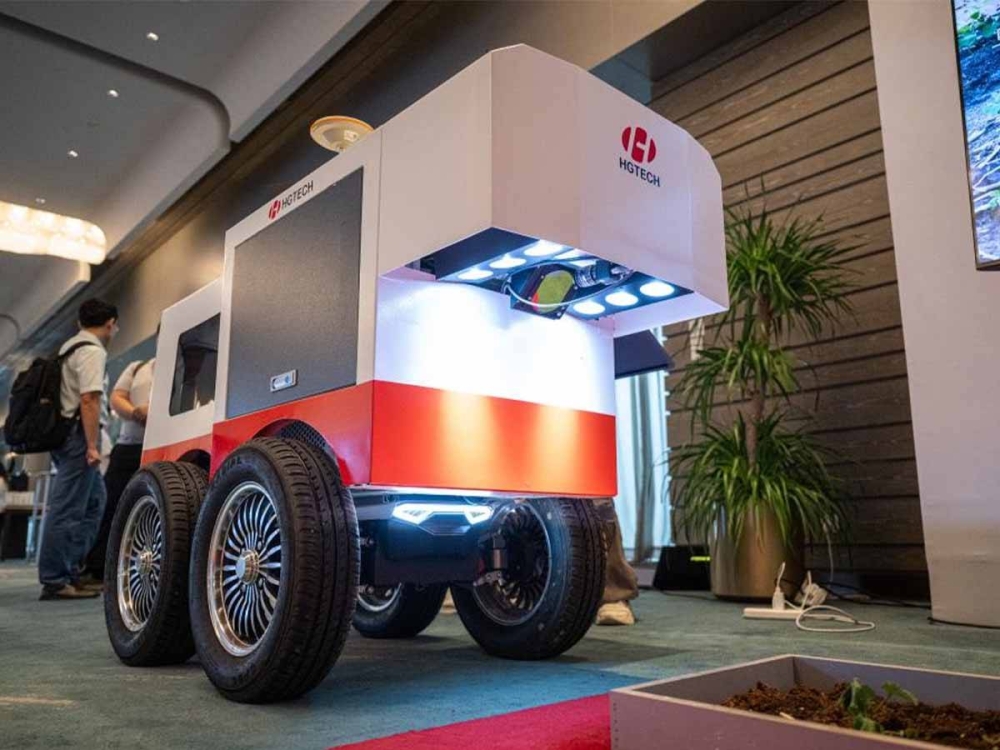
طرحت الصين روبوتاً ذكياً يعمل على مدار الساعة لإزالة الأعشاب الضارة بالليزر، بعد استكمال تجارب التحقق من صحة الخوارزمية في حقول الاختبار، وسط توقعات بأن يحل محل مبيدات الأعشاب الكيميائية.
وتتميز النسخة المتطورة من الروبوت «اتش جي ليزرويدر» بما يصل إلى 32 رأسا ليزرياً، بالشكل الذي يمكنها من تدمير نحو 320 ألف عشبة ضارة في الساعة، ما يجعلها أكثر كفاءة بأربع إلى ثماني مرات من الطرق التقليدية التي تجمع بين العمل اليدوي ومبيدات الأعشاب.
وتهدف هذه التكنولوجيا، إلى الحفاظ على معدل إزالة الأعشاب الضارة بنسبة تزيد عن 95%، فضلا عن القضاء على بقايا مبيدات الأعشاب الكيميائية الملوثة للتربة والمياه، ما يقلل من مصادر التلوث الزراعي.
وتم عرض الروبوت خلال حدث استضافته شركة «هواقونغ» لصناعة التكنولوجيا الصينية المحدودة، التي تعد أحد مطوري الروبوت، في مدينة «ووهان» بمقاطعة «هوبي» الصينية.
وأوضح قائد خوارزميات الذكاء الاصطناعي في معهد أبحاث الشركة شيونغ بيان، أن الروبوت مزود بنماذج بيانات تغطي الآلاف من أصناف المحاصيل والأعشاب الضارة ونظام رؤية يعمل بالذكاء الاصطناعي يمكنه ضبط شدة الليزر ديناميكياً للقضاء على الأعشاب الضارة مع تجنب الإضرار بالمحاصيل.
وتستغرق عملية التعرف والاستهداف أقل من خمسة ميللي ثانية من التقاط الصور إلى القضاء على الأعشاب الضارة.
China has introduced a smart robot that operates around the clock to remove weeds using lasers, after completing validation trials of its algorithm in test fields, amid expectations that it will replace chemical herbicides.
The advanced version of the "HG LaserWeeder" features up to 32 laser heads, allowing it to destroy approximately 320,000 harmful weeds per hour, making it four to eight times more efficient than traditional methods that combine manual labor and herbicides.
This technology aims to maintain a weed removal rate of over 95%, in addition to eliminating residues of chemical herbicides that contaminate soil and water, thereby reducing sources of agricultural pollution.
The robot was showcased during an event hosted by "Huaqun Technology Co., Ltd.", one of the developers of the robot, in the city of "Wuhan" in Hubei province, China.
Xiong Bian, the head of artificial intelligence algorithms at the company's research institute, explained that the robot is equipped with data models covering thousands of crop varieties and harmful weeds, along with an AI-powered vision system that can dynamically adjust the laser intensity to eliminate weeds while avoiding damage to crops.
The process of recognition and targeting takes less than five milliseconds from capturing images to eliminating the weeds.