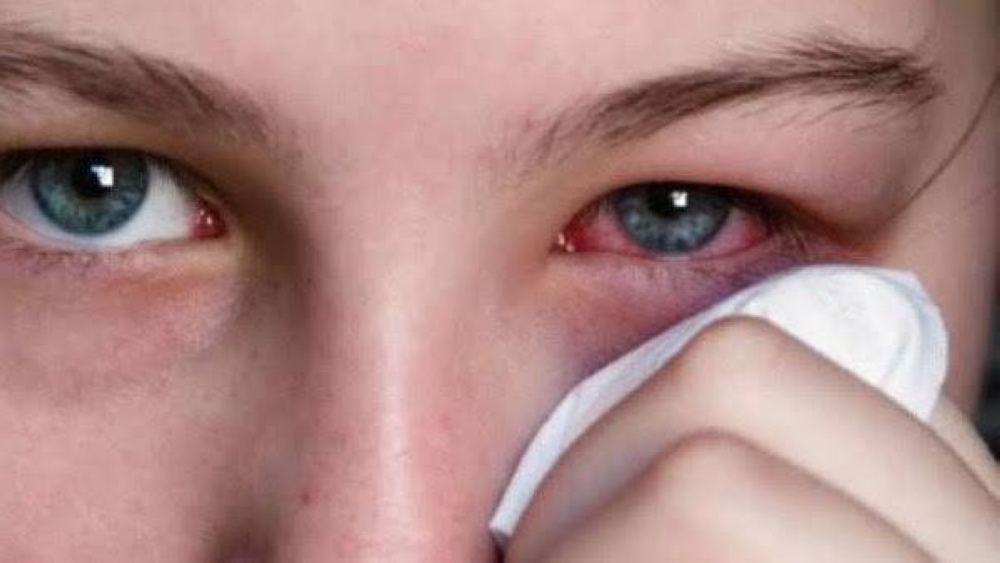
أصدرت الرابطة المهنية لأطباء أمراض العيون في ألمانيا، تحذيراً عاجلاً بشأن تفشي إنفلونزا العيون، وهي عدوى فايروسية شديدة العدوى تُسببها الفايروسات الغُدية، مؤكدة أن هذه الفايروسات تتمتع بقدرة عالية على البقاء على الأسطح الملوثة، مثل مقابض الأبواب، درابزين السلالم، أو الأدوات الشخصية، مما يجعلها تنتقل بسهولة عبر التلامس.
وأوضحت الرابطة، في بيان نقلته وكالة الأنباء الألمانية، أنه قد يصاب الشخص بالعدوى عند فرك عينيه بعد مصافحة شخص مصاب أو لمس سطح ملوث مثل أزرار المصاعد أو الهواتف المشتركة، مما يؤكد قدرتها الكبيرة على الانتقال.
وأكدت الرابطة أن الأعراض تبدأ عادةً في عين واحدة ثم تنتقل إلى الأخرى خلال أيام، مشيرة إلى أن المرض قد يستمر من أسبوعين إلى أربعة أسابيع، ونصحت باستشارة طبيب عيون فور ظهور أعراض مثل احمرار شديد، إفرازات مائية، أو شعور بحرقان في العين، لتمييزها عن التهابات أخرى مثل التهاب الملتحمة البكتيري أو التحسسي.
كما شددت على أهمية النظافة الشخصية كإجراء وقائي رئيسي، بما في ذلك غسل اليدين بشكل متكرر، تجنب لمس العينين، وعدم مشاركة المناشف، الوسائد، أو أدوات المكياج.
وحثت الرابطة المصابين على البقاء في المنزل لمدة تصل إلى 14 يوماً لمنع انتشار العدوى، خصوصا في الأماكن العامة مثل وسائل النقل، المدارس، أو أماكن العمل، كما أشارت إلى أن الفايروسات الغُدية مقاومة للعديد من المطهرات التقليدية، مما يتطلب تنظيفاً دقيقاً للأسطح باستخدام مواد مثل بوفيدون اليود أو الكلور.
وأضافت الرابطة المهنية لأطباء أمراض العيون في ألمانيا، أن مرتادي العدسات اللاصقة يجب أن يتوقفوا عن استخدامها فور ظهور الأعراض، مع التأكد من تطهير العدسات أو استبدالها لاحقاً.
يأتي هذا التحذير في ظل زيادة ملحوظة في حالات إنفلونزا العيون في ألمانيا خلال الفترة الموسمية، مما دفع الرابطة إلى التأكيد على أهمية التوعية العامة للحد من انتشار هذا المرض المزعج، الذي قد يؤدي إلى مضاعفات نادرة مثل ضعف الرؤية إذا أُسيء التعامل معه، ودعت الرابطة إلى تعزيز إجراءات النظافة في الأماكن العامة وتثقيف الجمهور حول كيفية الوقاية من هذا المرض شديد العدوى.
The Professional Association of Ophthalmologists in Germany has issued an urgent warning regarding the outbreak of eye flu, a highly contagious viral infection caused by adenoviruses. They confirmed that these viruses have a high ability to survive on contaminated surfaces, such as doorknobs, stair railings, or personal items, making them easily transmissible through contact.
The association explained, in a statement reported by the German news agency, that a person can become infected by rubbing their eyes after shaking hands with an infected person or touching a contaminated surface such as elevator buttons or shared phones, highlighting their significant transmissibility.
The association confirmed that symptoms usually begin in one eye and then spread to the other within days, noting that the illness can last from two to four weeks. They advised consulting an eye doctor as soon as symptoms such as severe redness, watery discharge, or a burning sensation in the eye appear, to distinguish it from other infections like bacterial or allergic conjunctivitis.
They also emphasized the importance of personal hygiene as a primary preventive measure, including frequent hand washing, avoiding touching the eyes, and not sharing towels, pillows, or makeup tools.
The association urged those infected to stay home for up to 14 days to prevent the spread of the infection, especially in public places such as transportation, schools, or workplaces. They also noted that adenoviruses are resistant to many conventional disinfectants, requiring thorough cleaning of surfaces using materials like povidone-iodine or chlorine.
The Professional Association of Ophthalmologists in Germany added that contact lens wearers should stop using them immediately upon the appearance of symptoms, ensuring that the lenses are disinfected or replaced later.
This warning comes amid a noticeable increase in cases of eye flu in Germany during the seasonal period, prompting the association to stress the importance of public awareness to reduce the spread of this bothersome disease, which can lead to rare complications such as vision impairment if not properly managed. The association called for enhanced hygiene measures in public places and educating the public on how to prevent this highly contagious disease.