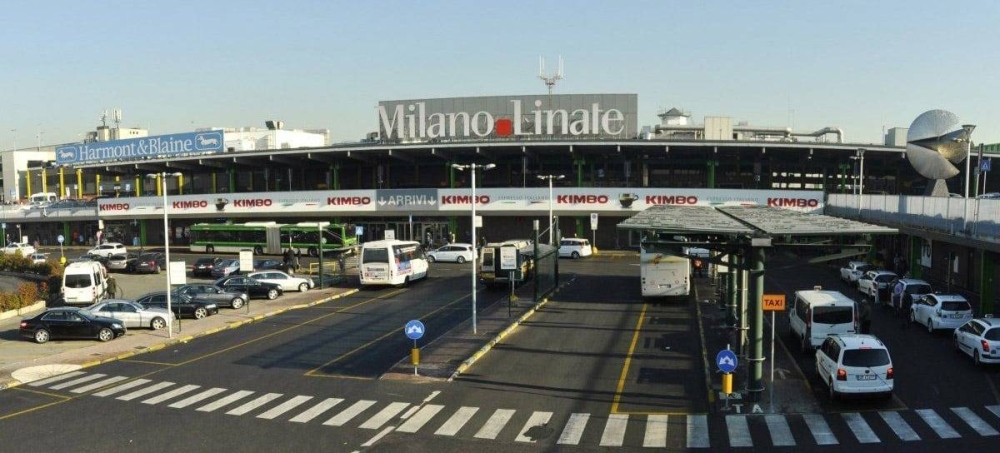
شهدت مطارات شمال غرب إيطاليا حالة من الفوضى مساء السبت، بعد تعطل مفاجئ في منظومة الرادار بمركز التحكم الجوي في ميلانو، ما أدى إلى تعليق الرحلات الجوية لمدة ساعتين تقريباً، بسبب الخلل.
وأثر الخلل على مطارات رئيسية مثل ميلانو مالپينسا، ليناتي، وبيرغامو، إضافة إلى تورينو وجنوة، ما تسبب في إلغاء أو تحويل ما يقرب من 320 رحلة جوية، وترك الآلاف من المسافرين عالقين خلال ذروة موسم السفر الصيفي.
وبدأ الخلل الفني في نظام نقل البيانات برادار مركز التحكم الجوي في ميلانو، الذي يدير حركة الطيران عبر المجال الجوي في شمال إيطاليا، واستمر العطل من الساعة 8:20 مساء إلى 10:20 مساء بتوقيت غرينتش، ما دفع هيئة الطيران المدني الإيطالية إلى تفعيل نظام طوارئ يعتمد على الأقمار الصناعية لإدارة الطائرات التي كانت في الجو، مع وقف جميع عمليات الإقلاع والهبوط الجديدة في المنطقة المتضررة وفقا لمعايير السلامة الدولية.
وأدى العطل إلى تحويل العديد من الرحلات إلى مطارات بديلة مثل باري، البندقية، روما، وبيزا، بينما تأخرت رحلات أخرى بشكل كبير، ووفقاً لوكالة الأنباء الإيطالية «أنسا»، تأثرت حوالى 320 رحلة، وتم إعداد 200 سرير ميداني للمسافرين العالقين في مطاري ميلانو مالپينسا وليناتي، واستؤنفت العمليات تدريجياً بحلول منتصف الليل، لكن التأخيرات استمرت في التأثير على الجداول الزمنية حتى اليوم التالي.
وأعلنت هيئة الطيران المدني الإيطالية فتح تحقيق عاجل للكشف عن أسباب الخلل، حيث أشار رئيس الهيئة، بييرلويجي دي بالما، إلى أن التحقيق سيستعرض أصول العطل ويعمل على وضع تدابير لمنع تكراره، وأرجعت هيئة ENAV الخلل إلى مشكلة اتصال مرتبطة بمزود الاتصالات الخارجي «تيليكوم إيطاليا» (TIM)، لكن الأخيرة لم تصدر تعليقاً فورياً.
وتسبب الخلل في إلغاء رحلات شركات طيران كبرى مثل رايان إير، إيزي جيت، آي تي إيه إيروايز، ولوفتهانزا، مع تأثيرات على رحلات دولية إلى الولايات المتحدة وشمال أفريقيا، كما واجه المسافرون تحديات إضافية مثل نقص الإقامة وارتفاع تكاليف النقل البديل.
وأثارت الواقعة انتقادات حادة من منظمات حماية المستهلك، حيث تقدمت منظمة «كوداكونس» بشكوى إلى النيابة العامة في ميلانو، معتبرة أن الحادث «غير مقبول» في عام 2025، خاصة في ذروة موسم السفر الصيفي.
وأكدت المنظمة أن الركاب المتضررين يحق لهم الحصول على تعويضات ومساعدات بموجب لائحة الاتحاد الأوروبي 261/2004، التي تفرض على شركات الطيران تقديم تعويضات مالية تصل إلى 600 يورو في بعض الحالات، إضافة إلى توفير الإقامة والوجبات.
وتُعد مطارات ميلانو، خاصة مالپينسا وليناتي، من أكثر المطارات ازدحاماً في إيطاليا، حيث تخدم ملايين المسافرين سنوياً، خاصة خلال موسم الصيف، ويعتبر مركز التحكم الجوي في ميلانو مسؤولاً عن إدارة الطيران في المجال الجوي عالي الارتفاع فوق شمال إيطاليا، بما يشمل مناطق لومبارديا وبييمونتي وليغوريا.
هذه ليست المرة الأولى التي تواجه فيها إيطاليا أزمات مماثلة، في أكتوبر 2024، تسبب خلل مشابه في رادار ميلانو في توقف الرحلات لمدة 30 دقيقة، ما أدى إلى تحويل رحلات إلى مطارات روما والبندقية ومرسيليا، كما شهد مطار ليناتي في عام 2001 كارثة طيران قتلت 118 شخصاً بسبب عطل في نظام الرادار الأرضي، ما دفع إلى إجراء تحقيقات واسعة وتساؤلات حول موثوقية الأنظمة.
Northwest Italy's airports experienced chaos on Saturday evening after a sudden failure in the radar system at the air traffic control center in Milan, which led to the suspension of flights for nearly two hours due to the malfunction.
The failure affected major airports such as Milan Malpensa, Linate, and Bergamo, in addition to Turin and Genoa, causing the cancellation or diversion of nearly 320 flights and leaving thousands of travelers stranded during the peak of the summer travel season.
The technical failure began in the data transmission system of the radar at the air traffic control center in Milan, which manages air traffic across the airspace in northern Italy, and the outage lasted from 8:20 PM to 10:20 PM GMT, prompting the Italian Civil Aviation Authority to activate an emergency system relying on satellites to manage the aircraft that were in the air, while halting all new takeoff and landing operations in the affected area according to international safety standards.
The outage led to the diversion of many flights to alternative airports such as Bari, Venice, Rome, and Pisa, while other flights were significantly delayed. According to the Italian news agency "ANSA," around 320 flights were affected, and 200 field beds were prepared for stranded travelers at Milan Malpensa and Linate airports. Operations gradually resumed by midnight, but delays continued to impact schedules into the following day.
The Italian Civil Aviation Authority announced an urgent investigation to uncover the causes of the malfunction, with the head of the authority, Pierluigi Di Palma, indicating that the investigation would review the origins of the failure and work on measures to prevent its recurrence. The ENAV authority attributed the malfunction to a connectivity issue related to the external communications provider "Telecom Italia" (TIM), but the latter did not issue an immediate comment.
The malfunction caused the cancellation of flights from major airlines such as Ryanair, EasyJet, ITA Airways, and Lufthansa, with impacts on international flights to the United States and North Africa. Travelers also faced additional challenges such as a lack of accommodations and increased costs for alternative transportation.
The incident sparked sharp criticism from consumer protection organizations, with the "Codacons" organization filing a complaint with the public prosecutor's office in Milan, deeming the incident "unacceptable" in 2025, especially during the peak of the summer travel season.
The organization confirmed that affected passengers are entitled to compensation and assistance under EU Regulation 261/2004, which requires airlines to provide financial compensation of up to 600 euros in certain cases, in addition to providing accommodation and meals.
Milan's airports, especially Malpensa and Linate, are among the busiest in Italy, serving millions of travelers annually, particularly during the summer season. The air traffic control center in Milan is responsible for managing high-altitude air traffic over northern Italy, including the regions of Lombardy, Piedmont, and Liguria.
This is not the first time Italy has faced similar crises; in October 2024, a similar radar failure in Milan caused flight delays for 30 minutes, leading to the diversion of flights to Rome, Venice, and Marseille. Additionally, Linate Airport experienced an aviation disaster in 2001 that killed 118 people due to a failure in the ground radar system, prompting extensive investigations and questions about the reliability of the systems.