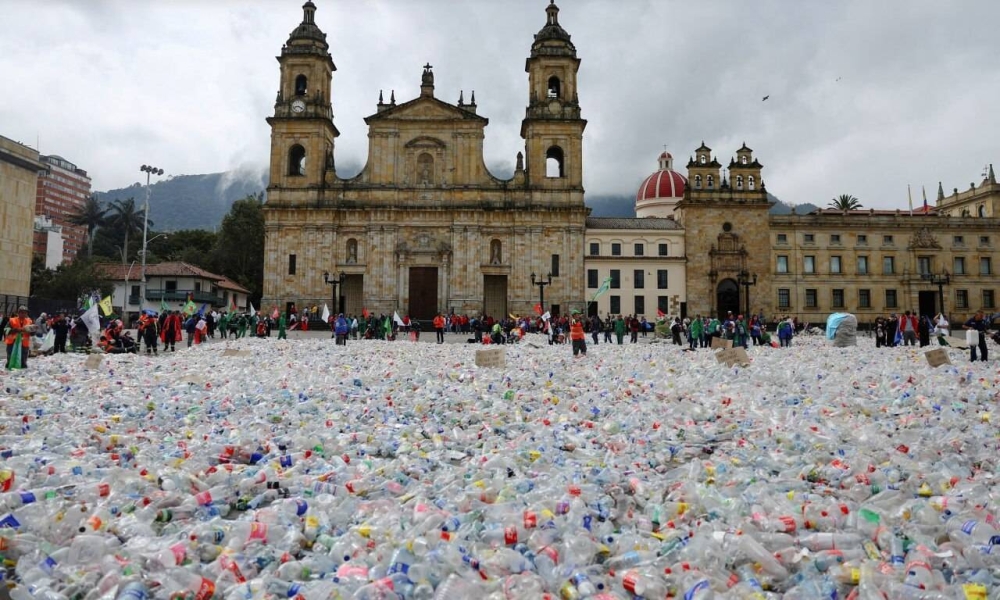
أغرق عشرات من جامعي النفايات في كولومبيا ساحة بوليفار الشهيرة في العاصمة بوغوتا، الثلاثاء، بـ15 طناً من القمامة، احتجاجاً على انخفاض دخلهم وتدهور ظروف العمل.
ويجمع هؤلاء العمال النفايات من المنازل والمصانع والمكاتب، ثم يبيعونها لمحطات إعادة التدوير المحلية.
ونظمت المظاهرة التي شارك فيها نحو 100 شخص، من قبل 14 جمعية لجامعي النفايات في بوغوتا، وهي مدينة يعمل فيها حوالى 20 ألف جامع نفايات لساعات طويلة في جمع مواد مثل الزجاجات البلاستيكية والخردة المعدنية وعلب الكرتون.
وقالت رئيسة الرابطة الوطنية لجامعي النفايات في كولومبيا نورا باديلا: «نريد من المصانع أن تدفع لنا سعراً عادلاً مقابل المواد التي نجمعها. على الكولومبيين وحكومتهم أن يدركوا أنه من دون عملنا ستكتظ مدافن النفايات».
ويعمل معظم جامعي النفايات في كولومبيا بشكل مستقل، حيث يجرون عربات ثقيلة ويجمعون المواد القابلة لإعادة التدوير التي لا تجمعها شاحنات القمامة المحلية.
وهذه الشاحنات، التي تديرها شركات متعاقدة أو البلديات، تركز على جمع النفايات العضوية وغير القابلة لإعادة التدوير.
ويعتمد دخل جامعي النفايات بشكل كبير على كمية الكيلوغرامات من البلاستيك أو الكرتون أو المعادن التي يمكنهم بيعها يومياً للمستودعات أو الجمعيات المحلية، التي تبيعها بدورها لمحطات إعادة التدوير.
يذكر أن دستور كولومبيا يمنح الحماية لجامعي النفايات، الذين ينحدر معظمهم من خلفيات فقيرة، وينص على منحهم أولوية على الشركات الكبيرة في جمع المواد القابلة لإعادة التدوير، كما تلزم القوانين البلديات في المدن الكبرى بدفع رسوم شهرية لجمعيات جامعي النفايات، تعتمد على كمية النفايات التي يجمعونها.
لكن رغم ذلك، فإن أسعار المواد القابلة لإعادة التدوير غير مستقرة، كما يواجه جامعو النفايات تنافساً متزايداً من المهاجرين الفنزويليين الذين يعملون في المجال نفسه في مدن مثل بوغوتا وميديلين.
ويُقدر أن معظم جامعي النفايات في كولومبيا يحققون دخلاً أقل من الحد الأدنى للأجور في البلاد، الذي يبلغ 350 دولاراً شهرياً.
Dozens of waste collectors in Colombia flooded the famous Bolívar Square in the capital Bogotá on Tuesday with 15 tons of garbage, protesting against their declining income and deteriorating working conditions.
These workers collect waste from homes, factories, and offices, then sell it to local recycling stations.
The demonstration, which involved around 100 people, was organized by 14 associations of waste collectors in Bogotá, a city where about 20,000 waste collectors work long hours collecting materials such as plastic bottles, metal scrap, and cardboard boxes.
Nora Padilla, president of the National Association of Waste Collectors in Colombia, said: “We want factories to pay us a fair price for the materials we collect. Colombians and their government must realize that without our work, landfills will overflow.”
Most waste collectors in Colombia work independently, pulling heavy carts and collecting recyclable materials that are not picked up by local garbage trucks.
These trucks, operated by contracted companies or municipalities, focus on collecting organic and non-recyclable waste.
The income of waste collectors largely depends on the number of kilograms of plastic, cardboard, or metals they can sell daily to warehouses or local associations, which in turn sell them to recycling stations.
It is worth noting that the Colombian Constitution provides protection for waste collectors, most of whom come from poor backgrounds, and stipulates that they should have priority over large companies in collecting recyclable materials. Additionally, laws require municipalities in major cities to pay monthly fees to waste collector associations, based on the amount of waste they collect.
However, despite this, the prices for recyclable materials are unstable, and waste collectors face increasing competition from Venezuelan migrants who work in the same field in cities like Bogotá and Medellín.
It is estimated that most waste collectors in Colombia earn less than the country's minimum wage, which is $350 per month.