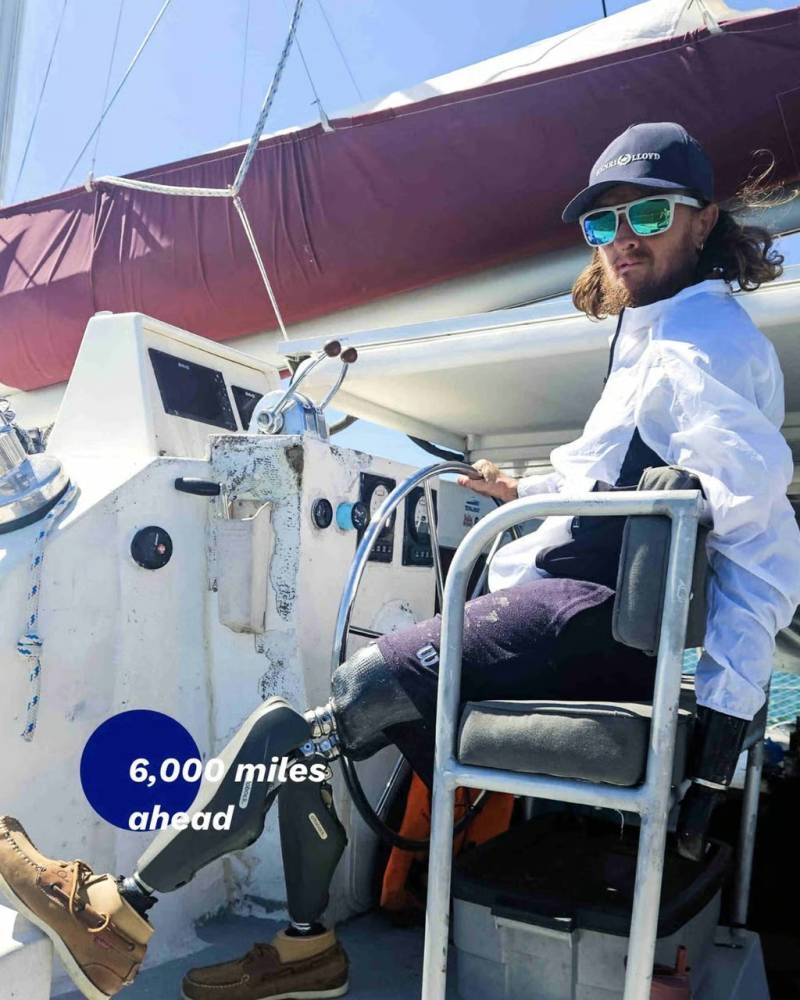
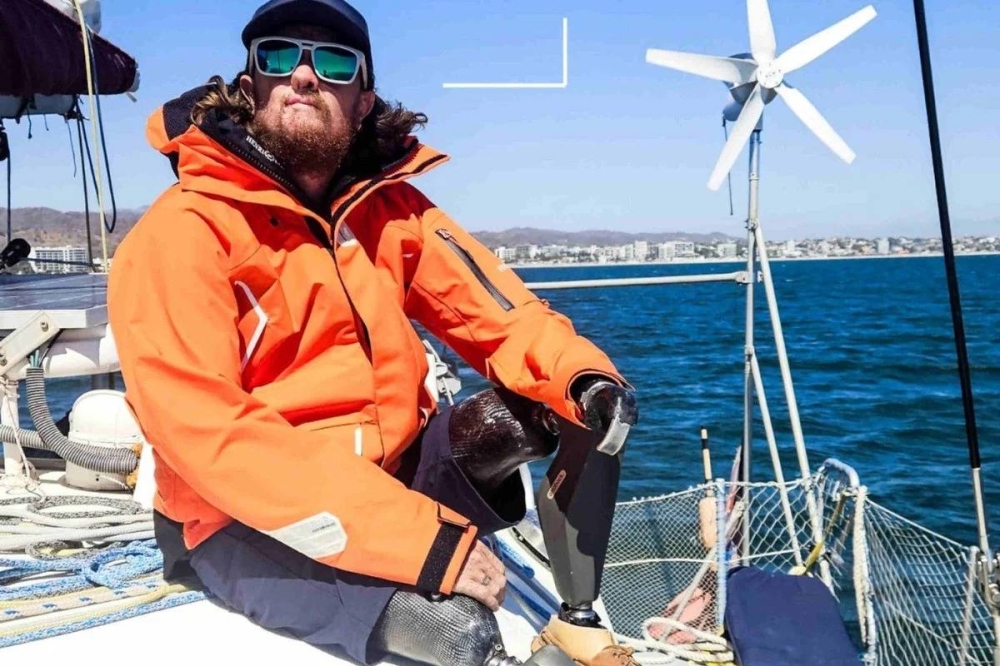
حقق الجندي البريطاني المتقاعد كريغ وود، الذي فقد ساقيه وذراعه اليسرى أثناء خدمته في أفغانستان، إنجازاً تاريخياً بأن أصبح أول معاق ثلاثي الأطراف يبحر بمفرده دون توقف أو مساعدة عبر المحيط الهادئ.
وود (33 عاماً) من دونكاستر في جنوب يوركشاير، أصيب بجروح غيرت حياته عام 2009 جراء انفجار عبوة ناسفة في سانغين بجنوب أفغانستان.
قطع وود مسافة 7506 أميال بحرية (13900 كيلومتر) في 90 يوماً على متن قاربه المصمم خصيصاً «سيريوس II»، انطلاقاً من بويرتو فالارتا في المكسيك في 25 مارس، وصولاً إلى هيروشيما في اليابان أمس (الثلاثاء).
ويهدف وود، وهو أب لثلاثة أطفال، من خلال هذه الرحلة إلى جمع التبرعات للجمعيات الخيرية التي دعمته خلال تعافيه.
في تصريح له عند خط النهاية في هيروشيما، قال وود: «أنا مرهق ولكن فخور جداً بإكمال هذه الرحلة التي اعتقد الكثيرون أنها مستحيلة، لقد كانت تحدياً هائلاً لي ولقاربي، لكنني ركزت على هدفي وفكرة لم شملي بعائلتي، خصوصاً مع انتظارنا لطفلنا الثالث».
واجه وود تحديات تقنية عديدة، منها تعطل أحد محركات القارب بعد ثلاثة أسابيع، وسقوط ذراع الشراع، إضافة إلى كسر ذراعه الصناعية، ما جعل الإبحار أكثر صعوبة.
وصف وود الرحلة بأنها تجربة روحانية عززت تقديره للحياة التي بناها بعد إصابته، وأضاف: «آمل أن يغير هذا الإنجاز نظرة العالم إلى الإعاقة، ويبرز كيف يمكن للإبحار أن يغير حياة المتضررين من الصدمات».
كما شهد وود لحظات ساحرة، مثل رؤية قوس قمري، وهو قوس قزح يتشكل بضوء القمر الكامل، إضافة إلى لقاءات مع دلافين ريسو.
كان وود، وهو جندي سابق، قد فقد ساقيه ويده اليسرى، وأصيب بانخماص في الرئتين، وفقدان 27 باينت من الدم، وتشوهات في الوجه بسبب الشظايا التي أصابته، واستغرق تعلمه المشي مجدداً ثمانية أشهر، وخضع لعشرين عملية جراحية على مدى أربع سنوات في مركز هيدلي كورت بسري.
ويعزو وود تعافيه إلى القبول الجذري، مؤكداً أن التركيز على بناء أفضل نسخة من الذات الجديدة، مع دعم الأشخاص الإيجابيين، هو مفتاح النجاح.
Retired British soldier Craig Wood, who lost both legs and his left arm while serving in Afghanistan, achieved a historic milestone by becoming the first triple amputee to sail solo non-stop across the Pacific Ocean.
Wood (33 years old) from Doncaster in South Yorkshire, was injured in a life-changing incident in 2009 due to an explosion from an improvised explosive device in Sangin, southern Afghanistan.
He covered a distance of 7,506 nautical miles (13,900 kilometers) in 90 days aboard his specially designed boat "Sirius II", starting from Puerto Vallarta in Mexico on March 25, and arriving in Hiroshima, Japan yesterday (Tuesday).
Wood, a father of three, aims to raise funds for the charities that supported him during his recovery through this journey.
In a statement at the finish line in Hiroshima, Wood said: "I am exhausted but very proud to have completed this journey that many thought was impossible. It has been a tremendous challenge for me and my boat, but I focused on my goal and the idea of reuniting with my family, especially with our third child on the way."
Wood faced numerous technical challenges, including one of the boat's engines failing after three weeks, the mast falling, and a break in his prosthetic arm, which made sailing more difficult.
He described the journey as a spiritual experience that enhanced his appreciation for the life he has built after his injury, adding: "I hope this achievement changes the world's perception of disability and highlights how sailing can transform the lives of those affected by trauma."
Wood also experienced magical moments, such as seeing a lunar rainbow, which is a rainbow formed by the light of a full moon, as well as encounters with Risso's dolphins.
Wood, a former soldier, lost both legs and his left hand, suffered from lung collapse, lost 27 pints of blood, and had facial disfigurements due to shrapnel injuries. It took him eight months to learn to walk again, and he underwent twenty surgeries over four years at the Headley Court rehabilitation center in Surrey.
Wood attributes his recovery to radical acceptance, emphasizing that focusing on becoming the best version of his new self, with the support of positive people, is the key to success.