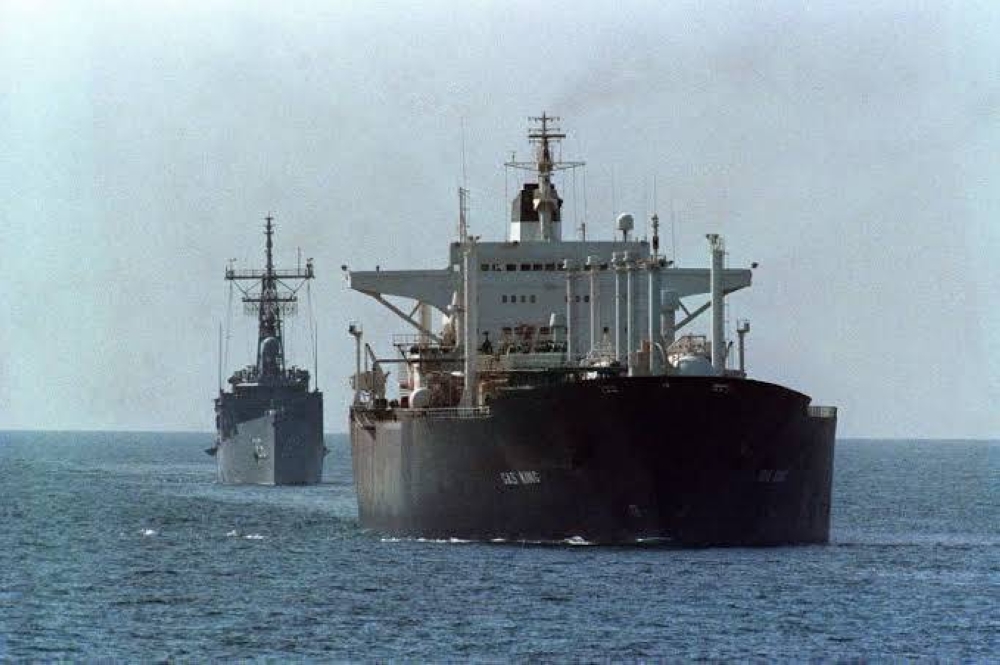
أعلن مركز التنسيق البحري الفرنسي (MICA) رصد تشويش متزايد على إشارات نظام تحديد المواقع العالمي (GPS) يؤثر على نحو 1000 سفينة يومياً بالقرب من السواحل الإيرانية، خاصة في مضيق هرمز، أحد أهم الممرات المائية لتجارة النفط العالمية.
وأوضح المركز، في منشور على منصة «إكس»، أن هذا التشويش يعيق الملاحة الآمنة، خاصة في ظروف الرؤية المنخفضة أو الازدحام البحري أو خلال الليل، مما يزيد من مخاطر الحوادث البحرية.
وأشار المركز إلى أن هذا التشويش قد يكون ساهم في الحادث المأساوي الذي وقع أخيراً بين ناقلتي النفط «فرونت إيغل» و«أدالين» في المنطقة، رغم أن التحقيقات لا تزال جارية لتحديد الأسباب الدقيقة للتصادم.
ووفقاً لوكالة «بلومبيرغ»، يأتي هذا الوضع في ظل تصاعد التوترات الإقليمية عقب الهجوم الإسرائيلي على إيران الأسبوع الماضي، ما يثير مخاوف بشأن تأثيرات التشويش على سلاسل التوريد النفطي العالمية.
ويُعد مضيق هرمز، الذي يربط الخليج العربي بالمحيط الهندي، أحد أكثر الممرات المائية ازدحاماً وحيوية في العالم، حيث يمر عبره نحو 20% من إمدادات النفط العالمية ونحو ربع تجارة الغاز الطبيعي المسال.
ويعتمد العديد من الدول، خاصة في آسيا وأوروبا، على هذا الممر لتأمين احتياجاتها من الطاقة.
ومع تصاعد التوترات الجيوسياسية في المنطقة، خاصة بين إيران وإسرائيل، أصبحت السفن التجارية عرضة لتحديات أمنية متزايدة، بما في ذلك التشويش على إشارات الملاحة.
وقد أثارت هذه التطورات قلق الأسواق العالمية، حيث يمكن أن يؤدي أي اضطراب في مضيق هرمز إلى ارتفاع أسعار الطاقة وتعطيل سلاسل التوريد.
ووفقاً لمركز MICA، الذي يعمل على تعزيز التعاون بين القوات البحرية والتجارة البحرية العالمية، فإن التشويش على إشارات GPS بدأ يتصاعد بشكل ملحوظ منذ 13 يونيو الجاري، حيث بلغ متوسط عدد السفن المتأثرة 970 سفينة يومياً.
ويُعتقد أن هذا التشويش قد يكون مرتبطاً بإجراءات دفاعية أو هجومية من جانب إيران في ظل التوترات الحالية.
ويُعد هذا الوضع تحدياً كبيراً للشركات الملاحية التي تعتمد على دقة أنظمة الملاحة لضمان سلامة السفن والبضائع.
وحثّ مركز MICA الشركات الملاحية على تعزيز الإجراءات الاحترازية، مثل الاعتماد على أنظمة ملاحة بديلة أو زيادة اليقظة أثناء العبور عبر مضيق هرمز، لتجنب الحوادث المحتملة، كما دعا إلى تعاون دولي لضمان أمن الملاحة في هذا الممر الحيوي.
وتشير التقديرات إلى أن أي اضطرابات طويلة الأمد في مضيق هرمز قد تتسبب في ارتفاع أسعار النفط العالمية بنسبة كبيرة، ما يؤثر على الاقتصادات العالمية، خاصة الدول المستوردة للنفط.
The French Maritime Coordination Center (MICA) announced the detection of increasing interference with Global Positioning System (GPS) signals affecting around 1,000 ships daily near the Iranian coasts, particularly in the Strait of Hormuz, one of the most important waterways for global oil trade.
The center explained in a post on the "X" platform that this interference hinders safe navigation, especially in low visibility conditions, maritime congestion, or at night, increasing the risks of maritime accidents.
The center indicated that this interference may have contributed to the tragic incident that recently occurred between the oil tankers "Front Eagle" and "Adaline" in the area, although investigations are still ongoing to determine the exact causes of the collision.
According to Bloomberg, this situation comes amid rising regional tensions following the Israeli attack on Iran last week, raising concerns about the effects of the interference on global oil supply chains.
The Strait of Hormuz, which connects the Arabian Gulf to the Indian Ocean, is one of the busiest and most vital waterways in the world, through which about 20% of global oil supplies and nearly a quarter of liquefied natural gas trade pass.
Many countries, especially in Asia and Europe, rely on this passage to secure their energy needs.
With the escalation of geopolitical tensions in the region, particularly between Iran and Israel, commercial vessels have become vulnerable to increasing security challenges, including interference with navigation signals.
These developments have raised concerns in global markets, as any disruption in the Strait of Hormuz could lead to rising energy prices and disruption of supply chains.
According to MICA, which works to enhance cooperation between naval forces and global maritime trade, interference with GPS signals has been significantly increasing since June 13, with an average of 970 affected ships daily.
This interference is believed to be related to defensive or offensive measures by Iran amid the current tensions.
This situation poses a significant challenge for shipping companies that rely on the accuracy of navigation systems to ensure the safety of ships and cargo.
MICA urged shipping companies to enhance precautionary measures, such as relying on alternative navigation systems or increasing vigilance while transiting through the Strait of Hormuz, to avoid potential accidents, and called for international cooperation to ensure the security of navigation in this vital passage.
Estimates suggest that any long-term disruptions in the Strait of Hormuz could lead to a significant increase in global oil prices, affecting global economies, especially oil-importing countries.