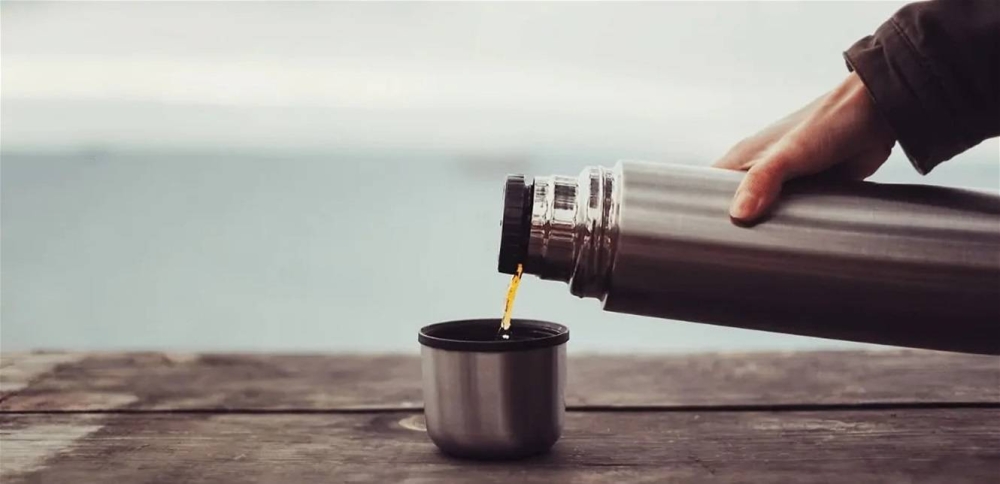
في حادثة مأساوية شهدتها تايوان، توفي رجل بعد إصابته بتسمم مزمن بالرصاص، تبين لاحقاً أنه ناجم عن استخدامه اليومي لترمس قديم صدئ على مدار أكثر من 10 سنوات، رغم وضوح علامات التآكل والتلف عليه.
وبحسب ما أفادت به وسائل إعلام تايوانية، فقد بدأت معاناة الرجل قبل نحو عام من وفاته، حيث ظهرت عليه أعراض صحية غامضة دفعت الأطباء لإجراء تحاليل شاملة. لتكشف نتائج الدم عن مستويات مرتفعة من المعادن الثقيلة؛ ما أثار شكوك الطاقم الطبي حول مصدر التسمم.
وبعد سلسلة من الأسئلة والتحقيقات، تبين أن المريض كان يستخدم الترمس نفسه بشكل يومي لحفظ مشروبات حمضية كالقهوة، والشاي، والعصائر، رغم ظهور صدأ داخله. الأسوأ من ذلك، أن الترمس لم يكن مصنوعاً من مادة مقاومة للصدأ، واكتفى الرجل بتنظيفه عن طريق شطفه فقط، دون إدراك حجم الخطر الكامن.
خبراء السموم الذين تابعوا الحالة رجّحوا أن التفاعل بين المعادن المتحللة والمشروبات الحمضية تسبب في تسريب كميات ضارة من الرصاص إلى السوائل، ومع مرور الوقت، تراكمت هذه السموم في جسم الرجل حتى أضعفت جهازه المناعي. وعندما أصيب لاحقاً بالتهاب رئوي حاد، لم يتمكن جسده من مقاومته، وتوفي بعد أشهر قليلة من التشخيص الأولي.
وتحوّلت الواقعة المؤلمة إلى قصة تحذيرية واسعة الانتشار في الإعلام التايواني، خاصةً مع تأكيد اختصاصيي الصحة أن الاستخدام الطويل للحاويات المعدنية المتآكلة، خصوصاً مع المشروبات الحمضية، قد يشكل تهديداً حقيقياً للحياة.
وينصح الخبراء حالياً باختيار ترمس مصنوع من الفولاذ المقاوم للصدأ (نوع 304)، وتجنب تعبئته بمشروبات حامضية لفترات طويلة، مع الحرص على تنظيفه جيداً واستبداله كل سنتين أو ثلاث كحد أقصى، حتى وإن بدا في حالة جيدة ظاهرياً.
In a tragic incident witnessed in Taiwan, a man died after suffering from chronic lead poisoning, which later turned out to be caused by his daily use of an old rusty thermos for over 10 years, despite the clear signs of corrosion and damage on it.
According to reports from Taiwanese media, the man's suffering began about a year before his death, as he exhibited mysterious health symptoms that prompted doctors to conduct comprehensive tests. Blood test results revealed elevated levels of heavy metals, raising the medical team's suspicions about the source of the poisoning.
After a series of questions and investigations, it was found that the patient had been using the same thermos daily to store acidic beverages like coffee, tea, and juices, despite the rust inside it. Worse still, the thermos was not made of rust-resistant material, and the man only cleaned it by rinsing it, unaware of the hidden danger.
Toxicology experts who followed the case suggested that the interaction between the leaching metals and the acidic beverages caused harmful amounts of lead to seep into the liquids, and over time, these toxins accumulated in the man's body, weakening his immune system. When he later developed severe pneumonia, his body was unable to fight it off, and he died a few months after the initial diagnosis.
The painful incident turned into a widely circulated cautionary tale in Taiwanese media, especially with health specialists confirming that prolonged use of corroded metal containers, particularly with acidic beverages, can pose a real threat to life.
Experts currently advise choosing a thermos made of stainless steel (type 304) and avoiding filling it with acidic beverages for long periods, while ensuring it is cleaned thoroughly and replaced every two to three years at most, even if it appears to be in good condition externally.