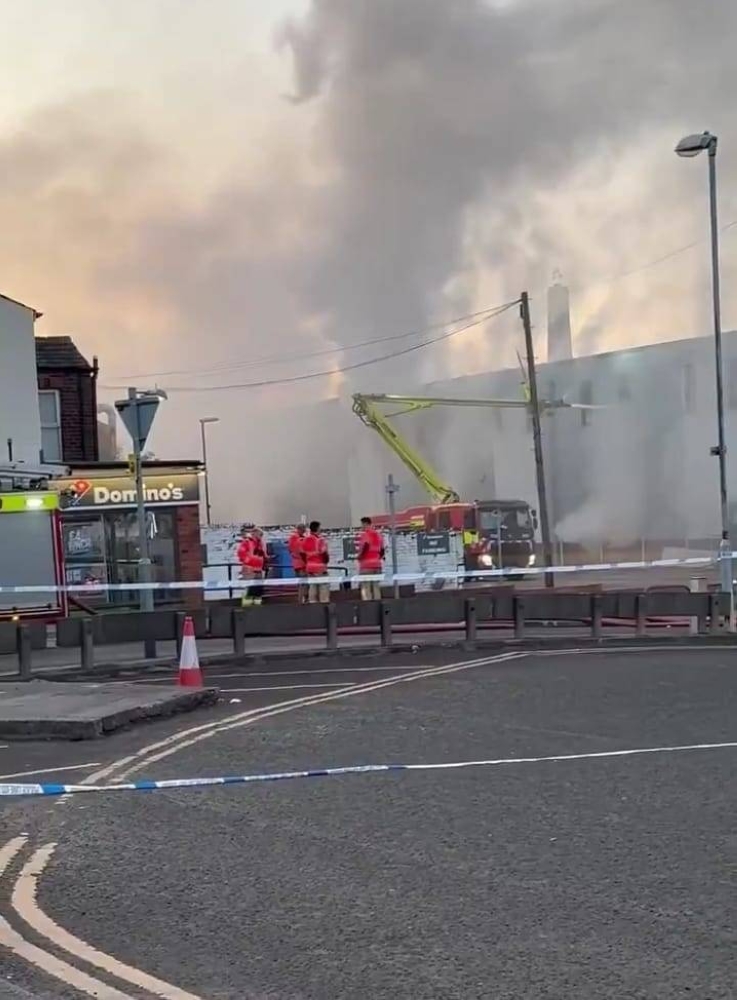
أصدرت السلطات المحلية في ميدلتون بمانشستر الكبرى، تحذيرًا عاجلاً للسكان بالبقاء داخل منازلهم وإغلاق الأبواب والنوافذ بإحكام، بعد اندلاع حريق ضخم في منشأة ستوريج وورلد لتخزين بطاريات الليثيوم في شارع أولد هول.
وأطلق الحريق سحبًا كثيفة من الدخان السام، ما دفع إلى إغلاق طرق رئيسية وإجلاء بعض السكان القريبين، بينما تواصل أطقم الإطفاء جهودها للسيطرة على النيران حتى اليوم التالي.
واندلع الحريق في وحدة تخزين بمنشأة ستوريج وورلد، التي تضم كميات كبيرة من بطاريات الليثيوم-أيون المستخدمة في تخزين الطاقة للأجهزة الإلكترونية والمركبات الكهربائية، وتُعرف هذه البطاريات بخطرها العالي عند الاحتراق، حيث تُنتج غازات سامة مثل فلوريد الهيدروجين ومعادن ثقيلة (الكوبالت والنيكل) بسبب ظاهرة الانفلات الحراري، التي تجعل الحريق يتغذى على الأكسجين المنبعث من البطاريات نفسها، مما يصعب إخماده بالطرق التقليدية.
واستجابت خدمة إطفاء مانشستر الكبرى بسرعة، حيث نشرت نحو 45 سيارة إطفاء في البداية، مع معدات متخصصة مثل منصة سكوربيون عالية الارتفاع، وبحلول صباح اليوم (الخميس)، كانت سيارات إطفاء لا تزال في الموقع، حيث واجهت أطقم الإطفاء تحديات بسبب استمرار النيران في جيوب عميقة داخل المبنى.
أفادت التقارير أن الدخان الأصفر الكثيف كان مرئيًا من مسافات بعيدة، مما أثار القلق بين السكان، وعملت أطقم الإطفاء في ظروف صعبة، مرتدين أجهزة تنفس لحمايتهم من الأبخرة السامة، واستخدمت خراطيم المياه لتقليل انتشار النيران، بينما دعمت شركة يونايتد يوتيليتيز الجهود بتوفير هيدرات إضافية لإمدادات المياه.
وأصدرت ستوريج وورلد بيانًا أعربت فيه عن تعاطفها مع المتضررين، مشيرة إلى تعاونها مع السلطات لتقييم الأضرار ودعم العملاء، ومع استمرار الحريق في اليوم الثاني، حذرت السلطات من استمرار مخاطر الدخان الكيميائي، مؤكدة أن المنطقة المحيطة لا تزال غير آمنة.
وتتزايد حوادث حرائق بطاريات الليثيوم-أيون مع الاعتماد المتزايد عليها في تخزين الطاقة المتجددة والسيارات الكهربائية، ووفقًا لتقارير، شهدت منشآت تخزين البطاريات نحو 38 حريقًا كبيرًا سنويًا عالميًا منذ 2018.
وتشكل الغازات الناتجة عن حرائق الليثيوم خطرًا صحيًا كبيرًا، حيث يمكن أن تسبب مشاكل تنفسية حادة، حروقًا جلدية، أو تلوثًا بيئيًا طويل الأمد، كما أن التخلص غير السليم من البطاريات يُفاقم المشكلة، مما يستلزم حلولًا مبتكرة لإعادة التدوير والتخزين الآمن.
The local authorities in Middleton, Greater Manchester, issued an urgent warning for residents to stay indoors and securely close their doors and windows after a massive fire broke out at the Storage World facility for lithium batteries on Old Hall Street.
The fire released thick plumes of toxic smoke, prompting the closure of major roads and the evacuation of some nearby residents, while firefighting crews continued their efforts to control the flames into the following day.
The fire erupted in a storage unit at the Storage World facility, which contains large quantities of lithium-ion batteries used for energy storage in electronic devices and electric vehicles. These batteries are known for their high danger when burned, as they produce toxic gases such as hydrogen fluoride and heavy metals (cobalt and nickel) due to a phenomenon called thermal runaway, which allows the fire to feed on the oxygen emitted from the batteries themselves, making it difficult to extinguish using traditional methods.
The Greater Manchester Fire Service responded quickly, initially deploying around 45 fire engines, along with specialized equipment such as a high-rise Scorpion platform. By the morning of the following day (Thursday), fire engines were still on site, as crews faced challenges due to the persistent flames in deep pockets within the building.
Reports indicated that thick yellow smoke was visible from far away, raising concerns among residents. Fire crews worked in difficult conditions, wearing breathing apparatus to protect themselves from the toxic fumes, and used water hoses to reduce the spread of the flames, while United Utilities supported the efforts by providing additional hydrants for water supply.
Storage World issued a statement expressing its sympathy for those affected, noting its cooperation with authorities to assess the damage and support customers. As the fire continued into the second day, authorities warned of ongoing chemical smoke hazards, confirming that the surrounding area remained unsafe.
Incidents of lithium-ion battery fires are increasing with the growing reliance on them for renewable energy storage and electric vehicles. According to reports, battery storage facilities have experienced about 38 major fires globally each year since 2018.
The gases produced by lithium fires pose a significant health risk, as they can cause severe respiratory issues, skin burns, or long-term environmental contamination. Additionally, improper disposal of batteries exacerbates the problem, necessitating innovative solutions for recycling and safe storage.