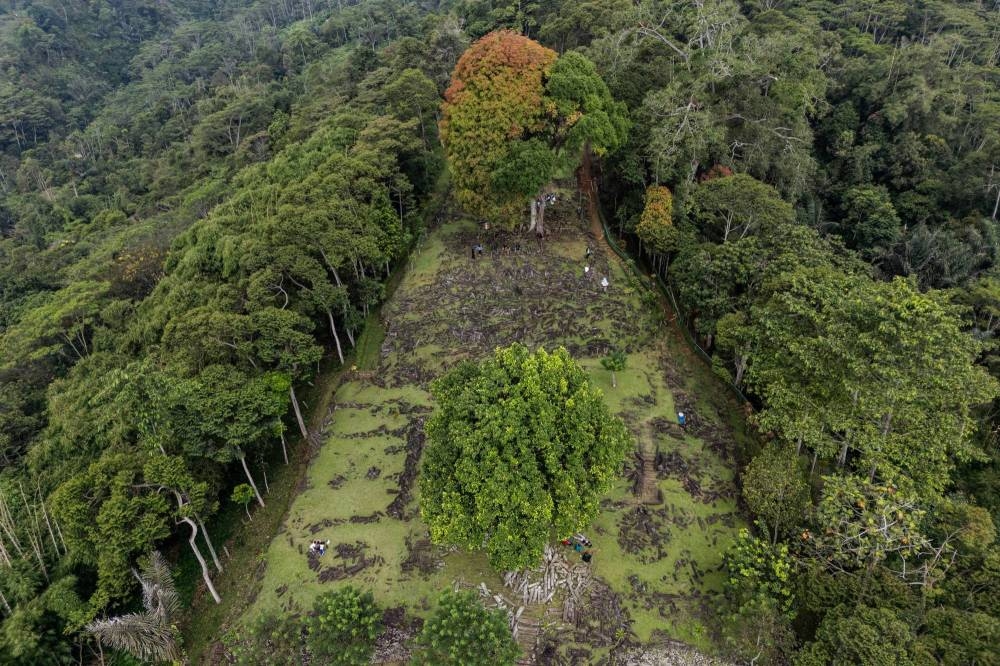
هل بُني أقدم هرم في العالم بواسطة البشر؟.. سؤال أثار جدلاً بعد أن طرح باحثون إندونيسيون فرضية مذهلة تزعم أن هرم «غونونغ بادانغ» في إندونيسيا قد يكون أقدم بكثير من أهرامات مصر المشهورة، إذ يعود تاريخ إحدى طبقاته إلى نحو 25 ألف سنة قبل الميلاد، غير أن هذه النظرية تواجه تحديات وانتقادات من قبل خبراء آخرين في علم الآثار، الذين يُشككون في كون هذا الهيكل من صنع الإنسان.
الباحث داني هيلمان ناتاودجايا من «المعهد الإندونيسي للعلوم»، قاد فريق البحث الذي نُشرت دراسته في مجلة «Archaeological Prospection». وأوضح الباحثون أن قلب الهرم يتكوّن من كتلة ضخمة من صخور الأنديسايت المنحوتة بعناية، ويُعتقد أن أقدم جزء من البناء كان تلّاً طبيعياً من الحمم البركانية نُحت ومن ثَمَّ غُلّف بطريقة معمارية. وفق موقع «إندي 100».
وأشار الباحثون إلى أن هذا الاكتشاف يتحدّى الاعتقاد السائد بأن الحضارة البشرية وابتكار تقنيات البناء المتقدمة بدأ فقط مع بداية الزراعة قبل نحو 11 ألف سنة. كما استشهدوا بمواقع أخرى مثل «غوبكلي تيبي» في تركيا، التي تدل على وجود ممارسات بناء متقدمة قبل اختراع الزراعة.
على الجانب الآخر، أعرب عدد من علماء الآثار، مثل فلينت ديبل من جامعة كارديف، عن شكوكهم في فرضية البناء البشري لهذا الهيكل، مشيرين إلى غياب الأدلة الملموسة التي تُثبت ذلك، مثل آثار النحت أو الأدوات.
وقال ديبل لمجلة «Nature»: «إن المواد التي تتدحرج على تل تميل بطبيعتها إلى التوجّه في اتجاه معيّن، ولا توجد مؤشرات على نحت أو أي شيء يوضح أنه من صنع الإنسان».
كما أضاف بيل فارلي، عالم الآثار في جامعة ولاية كونيتيكت الجنوبية، أن عينات التربة التي يبلغ عمرها 27 ألف سنة من غونونغ بادانغ لا تحمل علامات على نشاط بشري، مثل الفحم أو شظايا العظام.
رداً على هذه الانتقادات، رحّب ناتاودجايا بالباحثين من جميع أنحاء العالم للقدوم إلى إندونيسيا، وإجراء أبحاث ميدانية في موقع غونونغ بادانغ، مؤكداً استعداده للتعاون المفتوح.
في السياق نفسه، أكد المحرر المشارك لمجلة «Archaeological Prospection» أنه قد فُتح تحقيق بخصوص هذه الورقة البحثية لتقييم مدى صحتها ومصداقيتها.
Was the oldest pyramid in the world built by humans? This question has sparked controversy after Indonesian researchers proposed an astonishing hypothesis claiming that the "Gunung Padang" pyramid in Indonesia may be much older than the famous pyramids of Egypt, with one of its layers dating back to around 25,000 years BC. However, this theory faces challenges and criticism from other experts in archaeology, who doubt that this structure is man-made.
The researcher Dani Heilman Nataudjaya from the "Indonesian Institute of Sciences" led the research team whose study was published in the journal "Archaeological Prospection." The researchers explained that the core of the pyramid consists of a massive block of carefully carved andesite rocks, and it is believed that the oldest part of the structure was a natural hill of volcanic lava that was carved and then covered in an architectural manner, according to the website "Indy 100."
The researchers pointed out that this discovery challenges the prevailing belief that human civilization and the invention of advanced building techniques only began with the advent of agriculture around 11,000 years ago. They also cited other sites like "Göbekli Tepe" in Turkey, which indicate the existence of advanced building practices before the invention of agriculture.
On the other hand, several archaeologists, such as Flint Dibble from Cardiff University, expressed their doubts about the hypothesis of human construction of this structure, noting the absence of tangible evidence to support it, such as signs of carving or tools.
Dibble told "Nature": "Materials that roll down a hill tend to naturally orient in a certain direction, and there are no indicators of carving or anything that shows it is man-made."
Bill Farley, an archaeologist at Southern Connecticut State University, added that soil samples dating back 27,000 years from Gunung Padang show no signs of human activity, such as charcoal or bone fragments.
In response to these criticisms, Nataudjaya welcomed researchers from around the world to come to Indonesia and conduct field research at the Gunung Padang site, affirming his readiness for open collaboration.
In the same context, the co-editor of "Archaeological Prospection" confirmed that an investigation has been opened regarding this research paper to assess its accuracy and credibility.