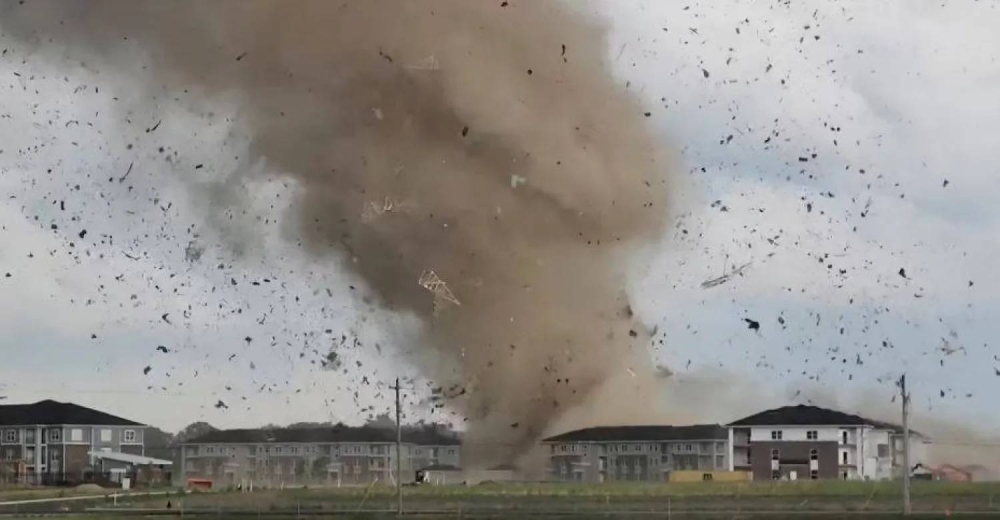
أعلن باحثون في الولايات المتحدة وهولندا، إمكانية استخدام تقنيات الذكاء الاصطناعي للحصول على تنبؤات أسرع وتحذيرات أكثر دقة من الأعاصير والعواصف القوية.
وفي ورقة بحثية نشرتها مجلة «نيتشر» العلمية، قال باحثون في شركة البرمجيات العملاقة «مايكروسوفت» إن نموذج الذكاء الاصطناعي «أوروا» الذي تطوره الشركة «يتفوق على نماذج التوقعات التشغيلية التقليدية في التنبؤ بدرجة جودة الهواء، وأمواج المحيط، ومسارات الأعاصير المدارية، باستخدام أنظمة حوسبة أقل تكلفة بكثير».
وذكرت «مايكروسوفت» أن النظام الجديد تم تدريبه «باستخدام أكثر من مليون ساعة من البيانات الجيوفيزيائية المتنوعة»، وهي كمية بيانات كافية لجعل النظام قادراً على تقديم تنبؤات «أكثر دقة؛ ليس فقط بالنسبة للطقس، وإنما لمجموعة واسعة من الأحداث المناخية من خلال سلاسل التحليلات الاسترجاعية» بما في ذلك الأعاصير وأمواج المحيطات القوية.
في الوقت نفسه، قال فريق بحثي من الإدارة الوطنية الأمريكية للمحيطات والغلاف الجوي وجامعة أوكلاهوما، إن نموذج تنبؤ قام الفريق بتطويره باستخدام أداة «غرافكاست» الموجودة في نموذج الذكاء الاصطناعي «غوغل ديب مايند»، يمكن أن يكون أسرع 10 مرات من النماذج التقليدية في التنبؤ بالأعاصير، وفق ما ذكرته «وكالة الأنباء الألمانية».
ودرَّب الباحثون نموذج الذكاء الاصطناعي «ديب مايند» على بيانات من نظام التحذير والتوقع الخاص بالإدارة الوطنية للمحيطات والغلاف الجوي، لإنشاء نموذج ذكاء اصطناعي يُسمَّى «دبليو أو إف إس كاست» يختصر الوقت اللازم للحصول على توقعات الأرصاد من دقائق إلى ثوانٍ.
وأعطى النموذج تنبؤات دقيقة إلى حد بعيد حول كيفية تطور العواصف على مدى يصل لنحو ساعتين؛ وتتطابق هذه التنبؤات بنسبة 70 إلى 80 % مع تلك التي تم الحصول عليها من خلال نظام التحذير، وفقاً للتوقعات.
Researchers in the United States and the Netherlands have announced the possibility of using artificial intelligence techniques to obtain faster predictions and more accurate warnings of hurricanes and severe storms.
In a research paper published by the scientific journal "Nature," researchers at the tech giant "Microsoft" stated that the artificial intelligence model "Auroa," developed by the company, "outperforms traditional operational forecasting models in predicting air quality, ocean waves, and the paths of tropical hurricanes, using significantly less expensive computing systems."
Microsoft mentioned that the new system was trained "using over a million hours of diverse geophysical data," which is a sufficient amount of data to enable the system to provide "more accurate predictions; not only for weather but for a wide range of climatic events through retrospective analysis chains," including hurricanes and strong ocean waves.
At the same time, a research team from the U.S. National Oceanic and Atmospheric Administration and the University of Oklahoma stated that a forecasting model developed by the team using the "Graphcast" tool found in the "Google DeepMind" AI model could be ten times faster than traditional models in predicting hurricanes, according to the "German News Agency."
The researchers trained the "DeepMind" AI model on data from the warning and forecasting system of the National Oceanic and Atmospheric Administration to create an AI model called "WOFSCast" that reduces the time needed to obtain weather forecasts from minutes to seconds.
The model provided highly accurate predictions about how storms would develop over a period of up to about two hours; these predictions matched 70 to 80% with those obtained from the warning system, according to the forecasts.