


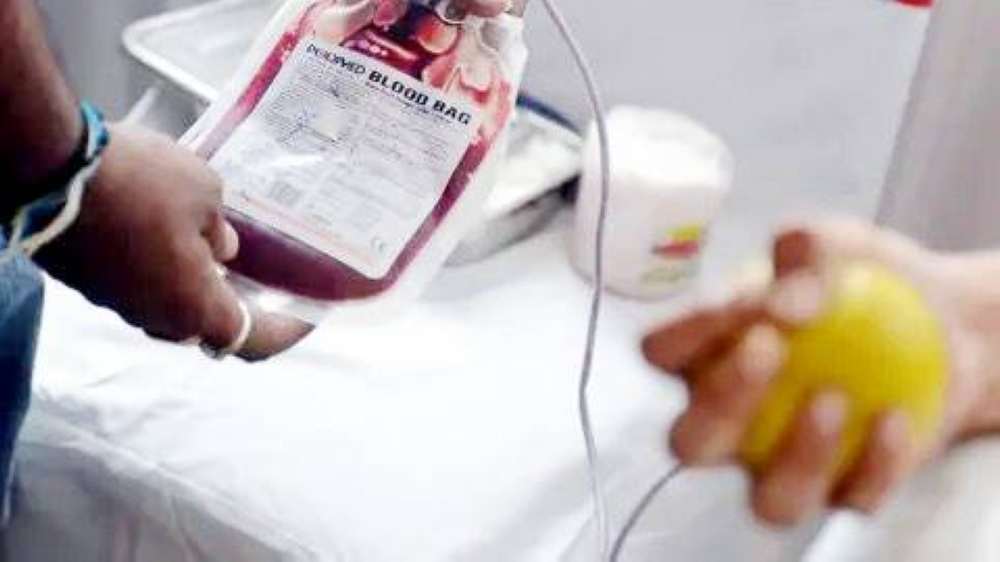
في خطوة قد تغيّر مستقبل الطب، نجح فريق ياباني بقيادة البروفيسور هيرومي ساكاي في تطوير دم اصطناعي يُمكن استخدامه لأي شخص، دون الحاجة لفحص فصيلة الدم. ويعتمد الابتكار على استخلاص الهيموغلوبين من دم متبرع منتهي الصلاحية، ثم تغليفه لتشكيل خلايا دم اصطناعية لا تتبع أي فصيلة.
وتكمن أهمية هذا الدم الجديد في قدرته على حمل الأكسجين، تماماً كخلايا الدم الحمراء الطبيعية، لكنه يمتاز بخصائص استثنائية، إذ يمكن حفظه لمدة عامين في درجة حرارة الغرفة، في حين أن الدم الطبيعي لا يدوم أكثر من شهر، ويحتاج إلى تبريد دائم.
ويُجري الفريق حالياً تجارب سريرية في جامعة نارا على متطوعين أصحاء؛ تمهيداً لاستخدامه بشكل واسع بحلول عام 2030.
هذا التطور يُعد أملاً جديداً للمستشفيات التي تعاني من نقص فصائل الدم، ويعزز القدرة على التعامل مع الطوارئ والكوارث دون عوائق لوجستية. وإذا نجح ستصبح اليابان أول دولة تستخدم «الدم بلا فصيلة» لإنقاذ الأرواح.
«دم بلا فصيلة».. ابتكار ياباني يفتح باب الأمل للعلاج
5 يونيو 2025 - 06:15
|
آخر تحديث 5 يونيو 2025 - 06:15


تابع قناة عكاظ على الواتساب
«عكاظ» (طوكيو) Okaz_online@
In a move that could change the future of medicine, a Japanese team led by Professor Hiromi Sakai has successfully developed artificial blood that can be used by anyone, without the need to test blood type. The innovation relies on extracting hemoglobin from expired donor blood, then encapsulating it to form artificial blood cells that do not belong to any blood type.
The significance of this new blood lies in its ability to carry oxygen, just like natural red blood cells, but it boasts exceptional properties, as it can be stored for two years at room temperature, whereas natural blood lasts no more than a month and requires constant refrigeration.
The team is currently conducting clinical trials at Nara University on healthy volunteers, in preparation for widespread use by 2030.
This development represents a new hope for hospitals facing blood type shortages and enhances the ability to handle emergencies and disasters without logistical barriers. If successful, Japan will become the first country to use "type-free blood" to save lives.
The significance of this new blood lies in its ability to carry oxygen, just like natural red blood cells, but it boasts exceptional properties, as it can be stored for two years at room temperature, whereas natural blood lasts no more than a month and requires constant refrigeration.
The team is currently conducting clinical trials at Nara University on healthy volunteers, in preparation for widespread use by 2030.
This development represents a new hope for hospitals facing blood type shortages and enhances the ability to handle emergencies and disasters without logistical barriers. If successful, Japan will become the first country to use "type-free blood" to save lives.


