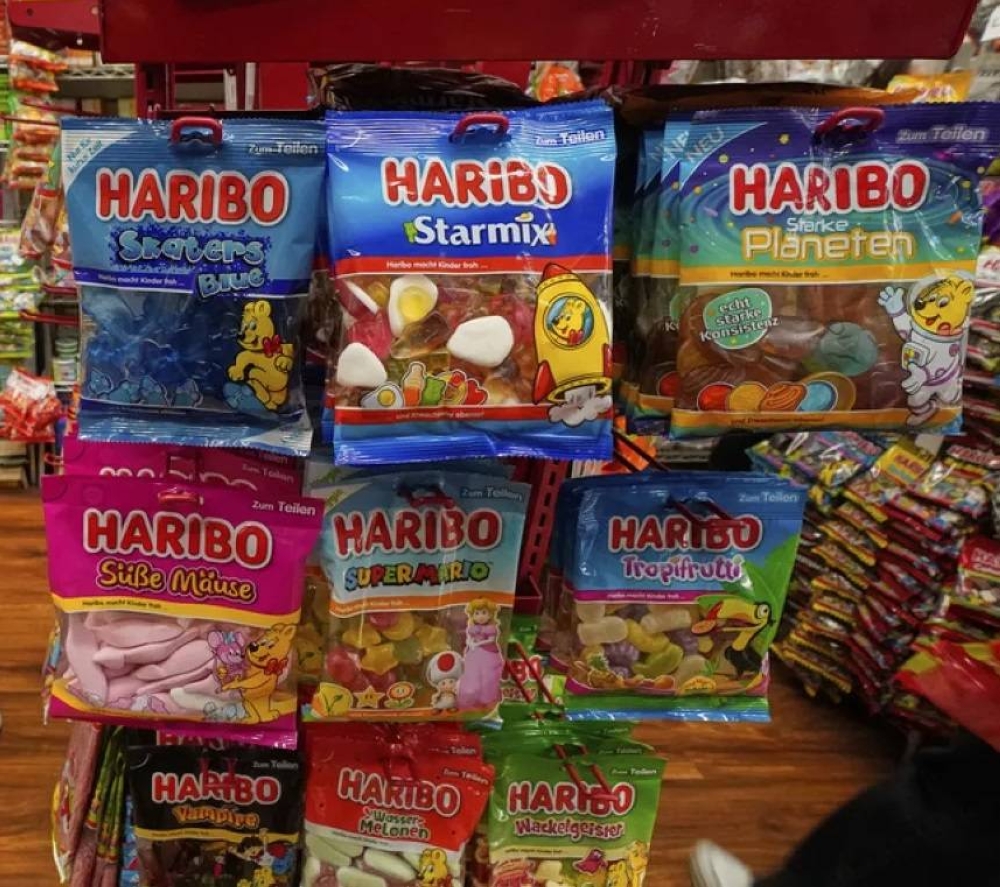
كشفت وكالة الأغذية البلجيكية (FAVV-AFSCA) أن شركة هاريبو المصنعة للحلوى سحبت أكياس حلوى هابي كولا فيز (Happy Cola Fizz) التي تزن كيلوغراماً واحداً في بلجيكا بعد العثور على آثار الحشيش في بعض الأكياس في هولندا.
وفيما أكدت الشركة في بيان صحفي مشترك مع الوكالة أن استهلاك هذه الحلوى يمكن أن يؤدي إلى مشكلات صحية مثل الشعور بالدوار، طال قرار السحب من الأسواق أكياساً كبيرة من الكولا الغازية التي تحمل رمز الإنتاج L341-4002307906 - وهي الدفعة نفسها التي تم سحبها في وقت سابق في هولندا.
وذكرت المتحدثة باسم وكالة الأغذية البلجيكية ليزبيث فان دي فورد لـ«Euronews»: «قامت شركة هاريبو بهذا السحب في بلجيكا كإجراء احترازي»، مشيرة إلى أنه حتى الآن لم ترد أي تقارير في بلجيكا عن إصابة أشخاص بتوعك بعد تناول الحلوى. مضيفة: «لقد أنشأنا لهذا الغرض خطاً هاتفياً استعجالياً للمستهلكين، ولم نتلق أي أخبار عن مشكلات في بلجيكا».
يذكر أن هولندا سحبت من البيع أكياس الحلوى الحامضة التي يبلغ وزنها كيلوغراماً واحداً بعد ورود تقارير تفيد بأن العديد من الأشخاص في البلاد، بما في ذلك البالغون والأطفال، أبلغوا عن شعورهم بالإعياء بعد تناول هذه الحلوى.
وكشف اختبار عينة من الحلوى أن المنتج كان ممزوجاً بالقنب بعد أن تم إبلاغ الشرطة بالمشكلة، فيما تحقق السلطات الهولندية الآن في كيفية تلوث الحلوى بهذه المخدرات.
وفي هولندا، هناك 3 أكياس فقط متورطة حتى الآن. ومع ذلك، قررت هاريبو سحب المخزون بالكامل في هولندا وبلجيكا ولوكسمبورغ.
وأشارت رئيسة التسويق في هاريبو هولندا وبلجيكا باتريك تاكس لوسائل الإعلام المحلية البلجيكية إلى أن السلطات تحقق في عدد محدود من البلاغات ومنتج واحد محدد في شرق هولندا.
ويتعلق السحب فقط بأكياس هاريبو التي تزن كيلوغراماً واحداً من هابي كولا فيز، والتي تنتهي صلاحيتها في يناير 2026، ورمز إنتاجها L341-4002307906.
ولم يتضح أي المتاجر البلجيكية كانت تبيع هذه العبوات الكبيرة. وأضافت فان دي فورد أن هذا هو المنتج الوحيد الذي تلقت الوكالة معلومات بشأنه، ما يعني أنه لا توجد منتجات أخرى تعتبر خطرة في الوقت الحالي.
وبدلاً من إعادته إلى المتجر الذي اشتروه منه، يُطلب من المستهلكين إرسال المنتج إلى المكتب الرئيسي البلجيكي. ويجب على المستهلكين المتضررين تقديم بياناتهم ورقم حسابهم المصرفي لاسترداد أموالهم.
The Belgian food agency (FAVV-AFSCA) revealed that the candy manufacturer Haribo has withdrawn one-kilogram bags of Happy Cola Fizz candies in Belgium after traces of cannabis were found in some bags in the Netherlands.
While the company confirmed in a joint press release with the agency that consuming these candies could lead to health issues such as dizziness, the withdrawal decision also affected large bags of fizzy cola bearing the production code L341-4002307906 - the same batch that was previously withdrawn in the Netherlands.
Lisabeth Van De Voorde, spokesperson for the Belgian food agency, told Euronews: “Haribo has made this withdrawal in Belgium as a precautionary measure,” noting that so far there have been no reports in Belgium of people feeling unwell after consuming the candy. She added: “We have set up an emergency hotline for consumers, and we have not received any news about problems in Belgium.”
It is worth mentioning that the Netherlands has withdrawn one-kilogram bags of sour candies after reports indicated that many people in the country, including adults and children, reported feeling unwell after consuming these candies.
Testing a sample of the candy revealed that the product was mixed with cannabis after the police were informed of the issue, while Dutch authorities are now investigating how the candy became contaminated with the drug.
In the Netherlands, only 3 bags are currently involved. However, Haribo decided to withdraw the entire stock in the Netherlands, Belgium, and Luxembourg.
Patrik Tax, the marketing director for Haribo in the Netherlands and Belgium, indicated to local Belgian media that authorities are investigating a limited number of reports and one specific product in eastern Netherlands.
The withdrawal only concerns one-kilogram bags of Haribo Happy Cola Fizz, which expire in January 2026, and have the production code L341-4002307906.
It was not clear which Belgian stores were selling these large packages. Van De Voorde added that this is the only product the agency has received information about, meaning there are no other products considered dangerous at this time.
Instead of returning it to the store where they purchased it, consumers are asked to send the product to the Belgian headquarters. Affected consumers must provide their details and bank account number to receive their refunds.