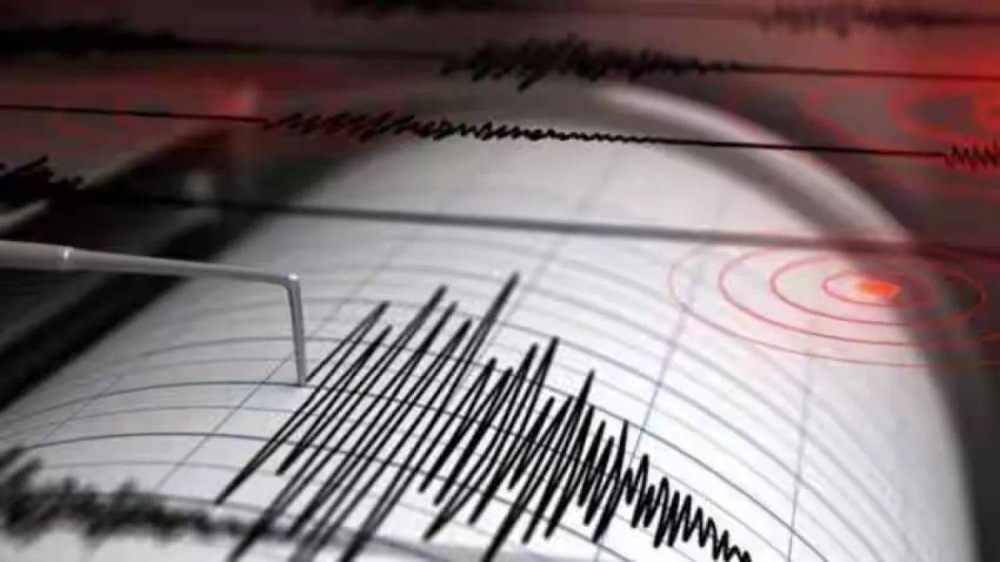
في الساعات الأولى من صباح اليوم الثلاثاء، رصدت أجهزة الشبكة القومية للزلازل التابعة للمعهد القومي للبحوث الفلكية والجيوفيزيقية هزة أرضية بقوة 5.8 درجة على مقياس ريختر، وقعت على بُعد 500 كيلومتر شمال مدينة العريش المصرية، بالقرب من الحدود التركية في شرق البحر المتوسط.
تأتي هذه الهزة ضمن سلسلة من الزلازل التي شهدتها المنطقة أخيرًا، إذ سجل المعهد 5 زلزال أخرى خلال مايو 2025، 3 منها يوم الأحد 1 مايو إذ سجلت الشبكة القومية المصرية لرصد الزلازل 3 هزات أرضية في أماكن مختلفة من أنحاء البلاد في مناطق الغردقة ومطروح والقاهرة الكبرى بقوات (2.31، 3.3 2.92 درجة على مقياس ريختر) والرابع بقوة 6.4 ريختر في 14 مايو، والخامس بقوة 6.24 ريختر في 22 مايو.
هذه الزلازل تعكس النشاط التكتوني المستمر في منطقة شرق البحر المتوسط، وهي منطقة تتأثر بحركة الصفيحة الأوراسية والصفيحة الأفريقية. ورغم أن مصر ليست ضمن المناطق الأكثر عرضة للزلازل، فإن قربها من هذه المناطق يجعلها تشعر أحيانًا بالهزات البعيدة.
ووفقًا للبيانات الرسمية، سجلت الهزة في تمام الساعة 02:17:30 صباحًا بالتوقيت المحلي، عند خط عرض 36.57 شمالًا وخط طول 28.38 شرقًا، وعلى عمق 60 كيلومترًا تحت سطح البحر. شعر بها عدد محدود من سكان المحافظات الشمالية في مصر، مما أثار تساؤلات حول تأثيراتها المحتملة.
رئيس المعهد القومي للبحوث الفلكية المصري الدكتور طه رابح، أكد في تصريحات لـ«عكاظ»، أن الهزة لم تتسبب في أي خسائر بشرية أو مادية، مشيرًا إلى أن بُعد مركز الزلزال عن السواحل المصرية قلّل من تأثيره المباشر على الأراضي المصرية.
وأوضح أن الزلزال يُعد جزءًا من النشاط التكتوني الطبيعي في منطقة شرق البحر المتوسط، وهي منطقة معروفة بتكرار الزلازل بسبب موقعها على حدود الصفائح التكتونية.
وأضاف الدكتور شريف الهادي، رئيس قسم الزلازل بالمعهد، أن المناطق القريبة من جزيرة كريت والحدود التركية تُعد نشطة زلزاليًّا، وهذه الهزة تأتي ضمن سلسلة طبيعية من النشاطات الجيولوجية.
وأشار إلى أن مصر لا تقع ضمن الحزام الزلزالي العالمي، مما يجعلها أقل عرضة للزلازل المدمرة، لكنها قد تتأثر بالهزات القادمة من مناطق نشطة مثل البحر المتوسط.
وأكد المعهد أن الشبكة القومية للزلازل ترصد النشاط الزلزالي على مدار الساعة بالتعاون مع الشبكات الإقليمية والدولية، مشددًا على عدم وجود توابع خطيرة متوقعة أو نشاط زلزالي غير طبيعي يهدد مصر.
ودعا المسؤولون المواطنين إلى تجاهل الشائعات المتداولة على وسائل التواصل الاجتماعي، والاعتماد على المصادر الرسمية للحصول على المعلومات.
In the early hours of this Tuesday morning, the devices of the National Seismic Network affiliated with the National Institute for Astronomical and Geophysical Research recorded an earthquake measuring 5.8 on the Richter scale, which occurred 500 kilometers north of the Egyptian city of Al-Arish, near the Turkish border in the eastern Mediterranean.
This tremor is part of a series of earthquakes that the region has recently experienced, as the institute recorded 5 other earthquakes during May 2025, 3 of which occurred on Sunday, May 1, when the Egyptian National Seismic Network recorded 3 tremors in different locations across the country in the areas of Hurghada, Matrouh, and Greater Cairo with magnitudes of (2.31, 3.3, 2.92 on the Richter scale), the fourth measuring 6.4 on May 14, and the fifth measuring 6.24 on May 22.
These earthquakes reflect the ongoing tectonic activity in the eastern Mediterranean region, which is affected by the movement of the Eurasian plate and the African plate. Although Egypt is not among the most earthquake-prone areas, its proximity to these regions sometimes makes it feel distant tremors.
According to official data, the tremor was recorded at exactly 02:17:30 AM local time, at a latitude of 36.57 north and a longitude of 28.38 east, and at a depth of 60 kilometers below sea level. It was felt by a limited number of residents in the northern governorates of Egypt, raising questions about its potential impacts.
The head of the Egyptian National Institute for Astronomical Research, Dr. Taha Rabih, confirmed in statements to "Okaz" that the tremor did not cause any human or material losses, noting that the distance of the earthquake's epicenter from the Egyptian coasts reduced its direct impact on Egyptian territories.
He explained that the earthquake is part of the natural tectonic activity in the eastern Mediterranean region, which is known for the recurrence of earthquakes due to its location on the boundaries of tectonic plates.
Dr. Sherif Al-Hadi, head of the Seismology Department at the institute, added that areas near Crete and the Turkish border are seismically active, and this tremor is part of a natural series of geological activities.
He pointed out that Egypt does not lie within the global seismic belt, making it less susceptible to destructive earthquakes, but it may be affected by tremors coming from active regions such as the Mediterranean.
The institute confirmed that the National Seismic Network monitors seismic activity around the clock in cooperation with regional and international networks, emphasizing that no dangerous aftershocks are expected and that there is no abnormal seismic activity threatening Egypt.
Officials urged citizens to ignore rumors circulating on social media and to rely on official sources for information.